
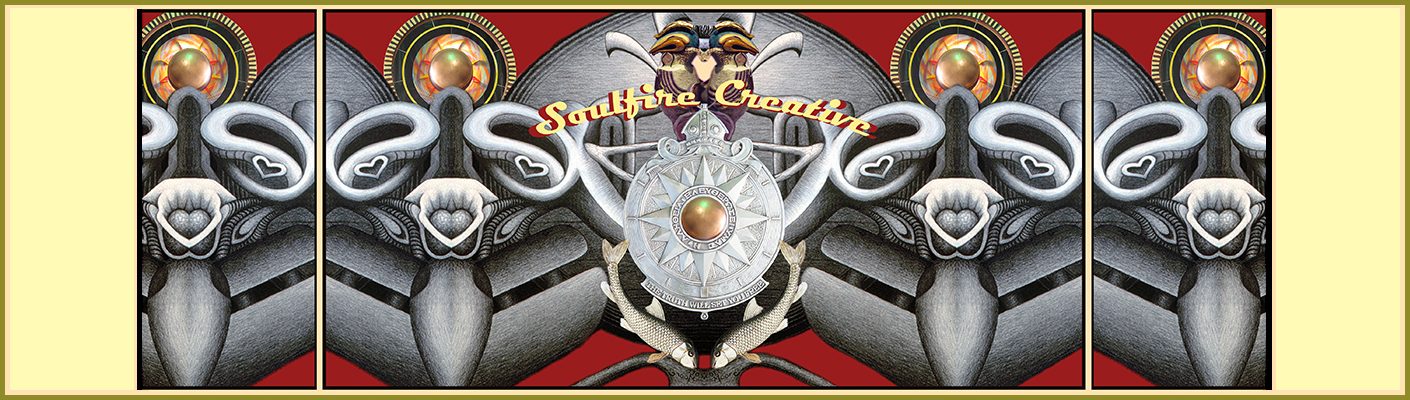

I’ve been making art since I was five. Raised in a blue-collar family in Hope, Rhode Island, I followed a hands-on path that began in the industrial trades — from installing piping on Trident submarines to mastering concrete and metalwork. Even then, I knew my true calling was creative: something more expressive, tactile, and transformative.
For those readers who are interested in a more comprehensive artist biography, please check out the blog page on this site – https://grandprovidentiaunited.blog/blog/
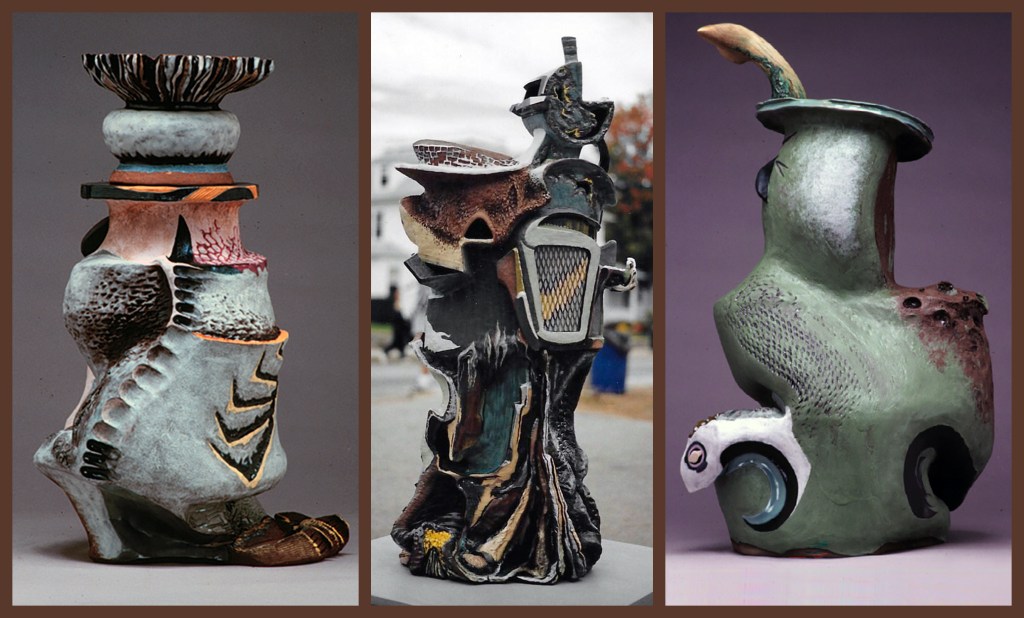
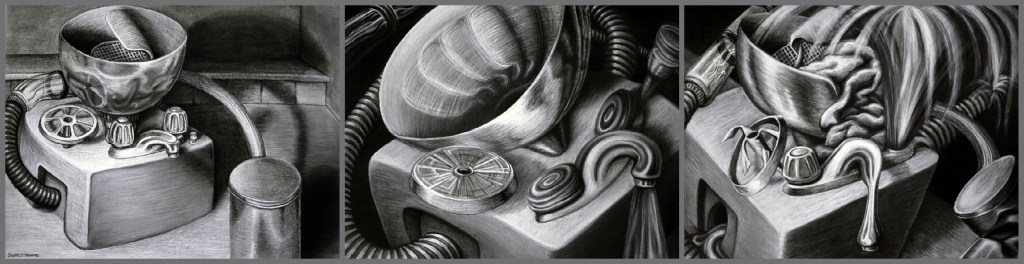
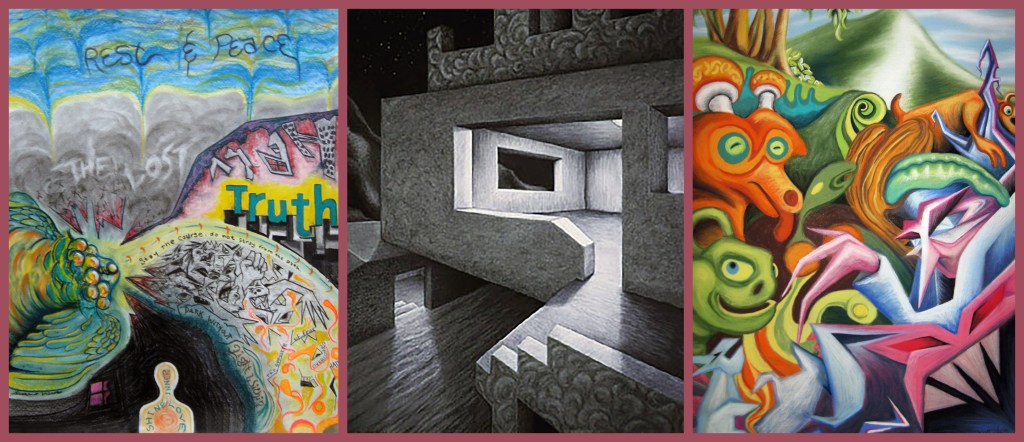
While excelling in my full-time roles in manufacturing and construction, I dedicated nearly a decade to mastering fine art at the Community College of Rhode Island. My primary focus was on hand-built terracotta sculpture, complemented by my practice in drawing, painting, and multi-media fabrications. During my first year at the Ringling College of Art and Design in their Foundations program, I continued to study and explore traditional fine art practices, stepping up to an intermediate level of mastery over the tools and techniques. The following images are a select representation of my work between high school graduation and my first year at Ringling.
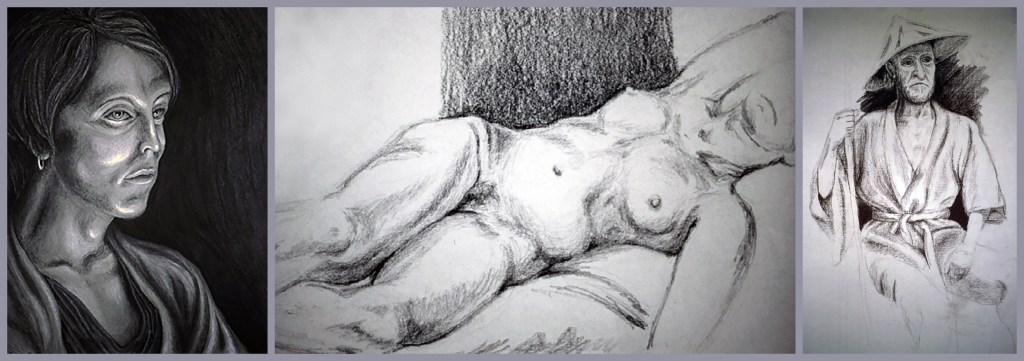
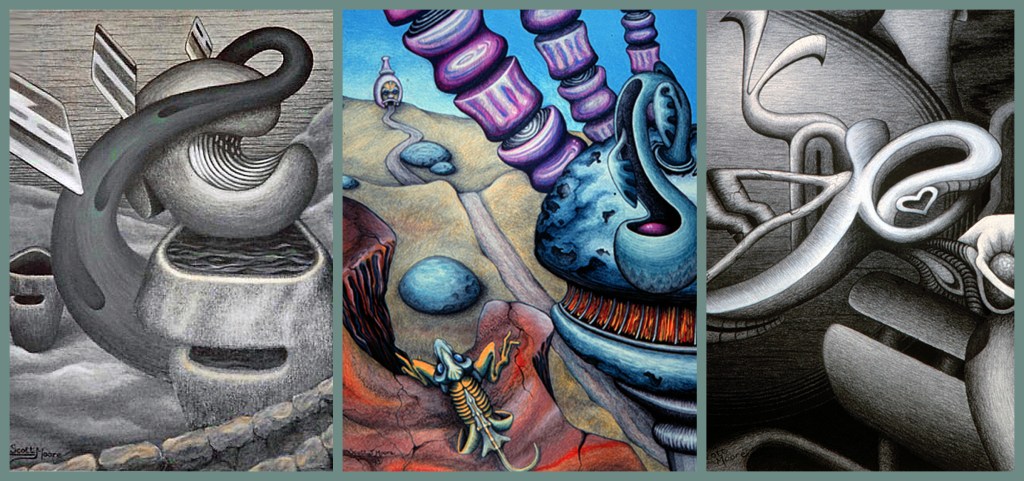


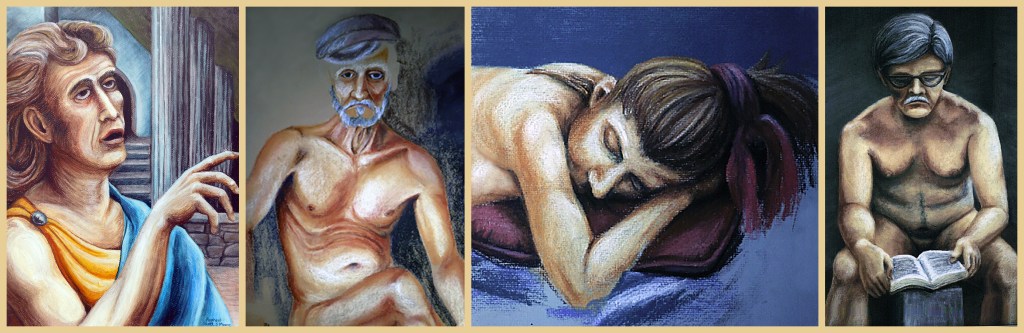

When a rare opportunity arose at Ringling College of Art and Design, I secured one of only 40 coveted seats in their esteemed Computer Animation program, chosen from over 1,200 applicants. My family and I boldly relocated to Florida, fully committed to embracing a creative life. During my time at RCAD, I immersed myself in the art of motion pictures, and I was instantly captivated. I had always aspired to build a career in the movie industry, and now I stood on the brink of producing live-action films.
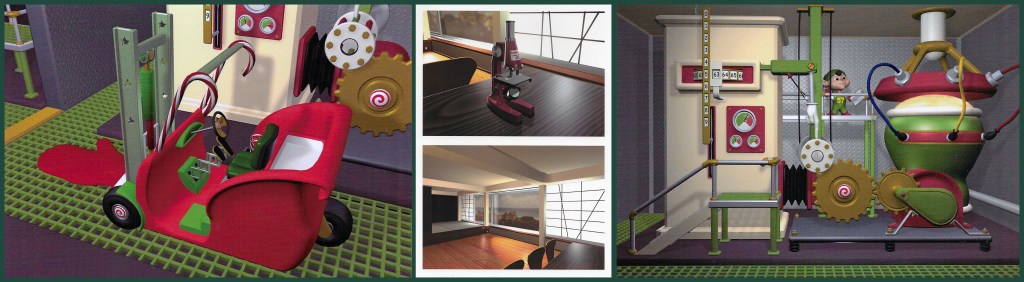
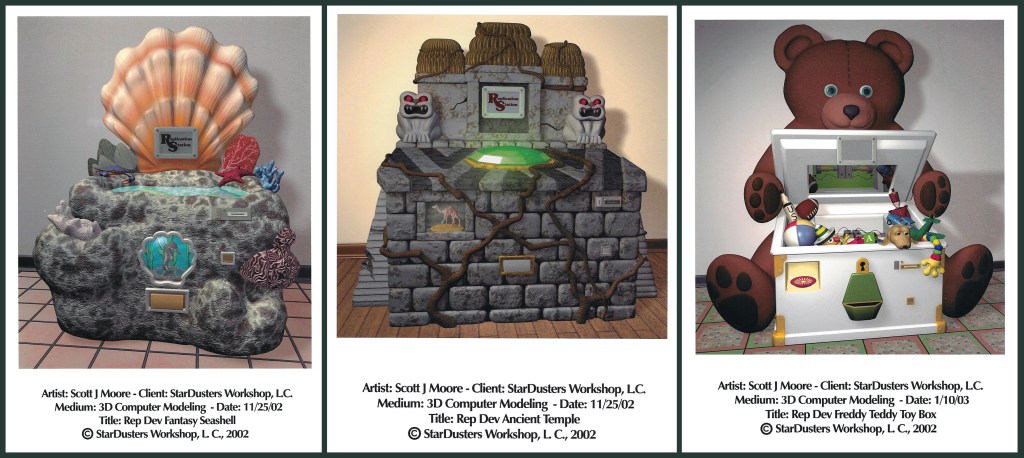
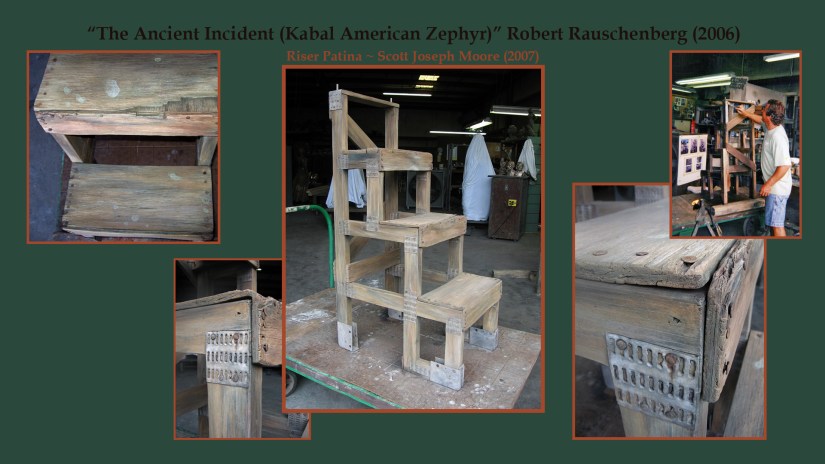
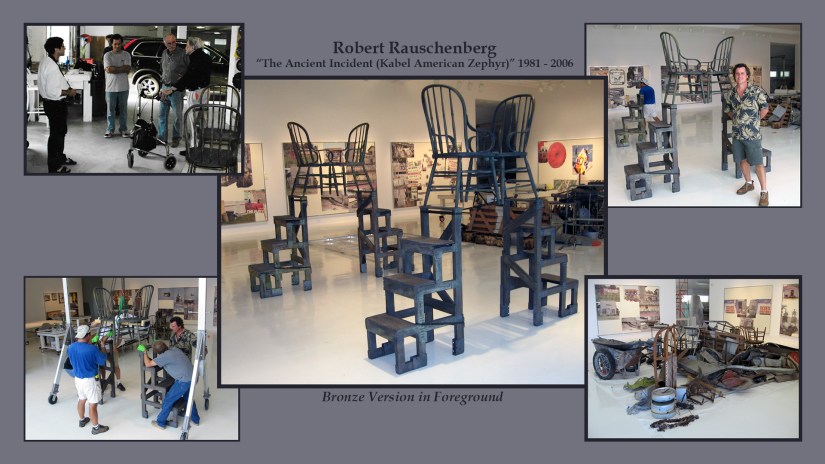
Though my undergraduate studies focused on animation and CGI, I have always recognized that my true passion resides in physical fabrication — specifically, animatronics, sculptural storytelling, and world-building through form and texture. Over the next decade, I made a deliberate transition from a two-year tenure in computer animation to the bronze sculpture industry following the dissolution of Aston Worldwide Entertainment. I honed my skills in lost wax bronze casting at Bronzart Foundry Inc. in Sarasota, FL (2002-2008). During this period, I had the profound privilege of collaborating with the esteemed artist Robert Rauschenberg shortly before his passing. I served as the sole patina artist for the first four bronze editions (out of five) of a reproduction in bronze of Rauschenberg’s “The Ancient Incident.” I met with the iconic artist on multiple occasions at his studio on Captiva Island in Florida.
The Ancient Incident (Kabal American Zephyr) 1981-2006



Scott Joseph Moore – Original Bronze Sculpture
“Providentia”
Limited Edition bronze sculpture – 1/5
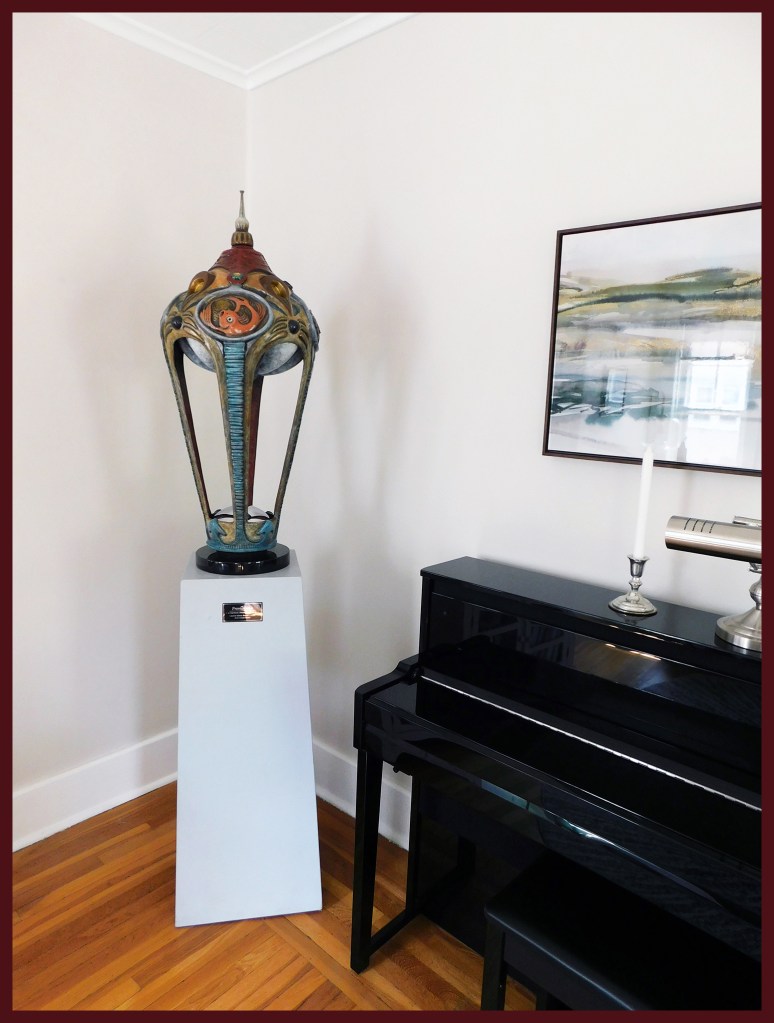
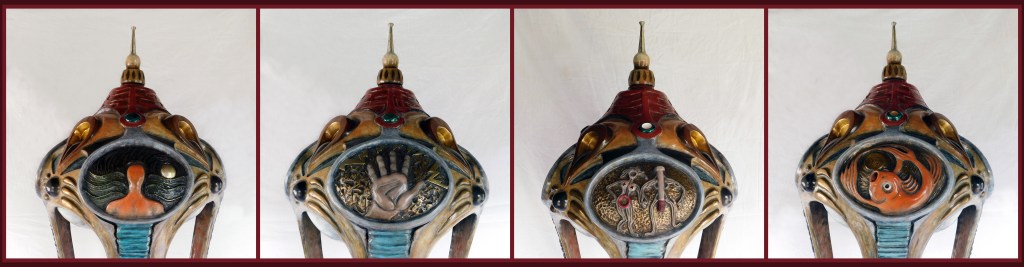
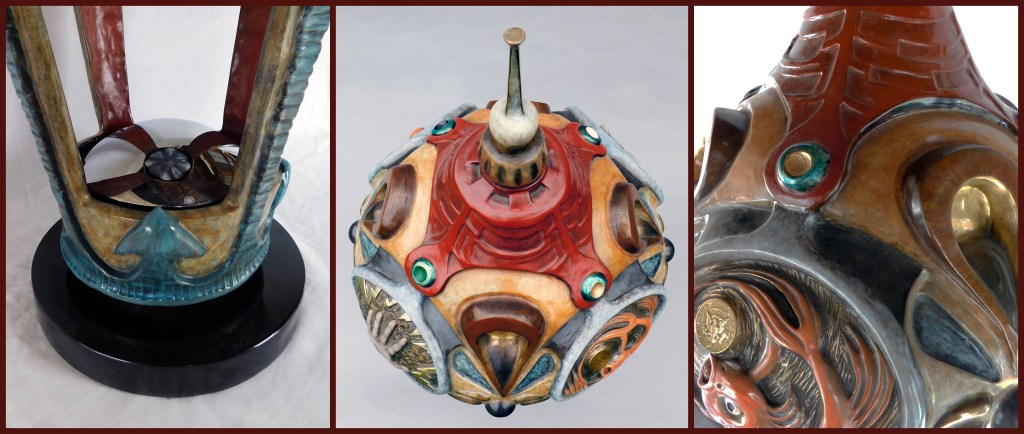
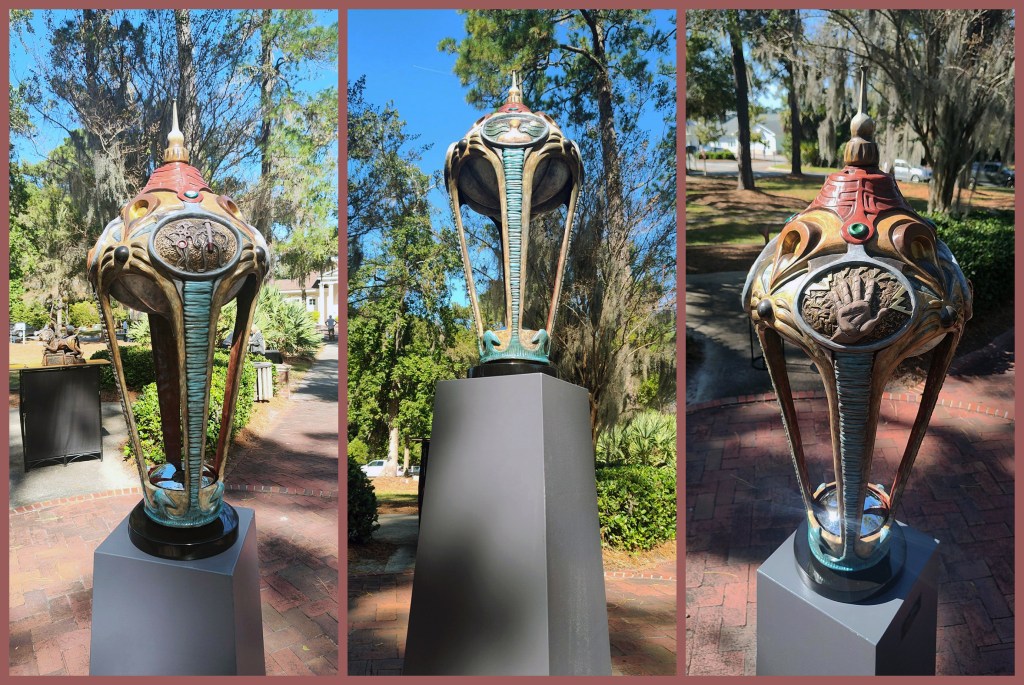
Rising above the traditionally non-functional approach to visual artwork, the creation story of Providentia is unique in that this bronze sculpture was intentionally channeled and manifested into this time and space to serve as a functional conscious energy device. Throughout my life as an artist, I have always sensed that the artwork I envision and bring into being is, in a way, just passing through me. It’s as if the work is already there and I just need to manifest it conceptually and materially. Providentia, is without doubt the most powerful work of art that I have ever channeled into existence. I feel as though the unrealized art object was there waiting patiently for me to express it and usher it into reality. The creation itself was merely on standby until I was strong enough to draw the artwork through and materialize it. To many people, the previous statement might sound contrived or even pretentious, but I must insist that this is indeed what it feels like when I manifest a work of authentic art.

Physical Properties of “Providentia”
Providentia – Bronze casting mounted on a black marble base. Limited Edition: 1/5
The partial orb (Low Frequency Reflector) in the bottom section is chrome-plated bronze. The fluted globe (Containment Reservoir) in the upper section rotates via the hand operated spindle at the top of the device.
Dimensions: 39″ H x 16″ W x 16″ D ~ Weight: 100 lbs.
Approximate time involved: 420 hours from concept to completion.
Price: $25,000.00
Note: This is an original sculpture by Scott Joseph Moore. Ordinarily, the sculptor of an original model (using their preferred materials), brings the artwork to a bronze foundry to be molded, cast and finished (patina) by the foundry technicians. In the case of Providentia and the other bronzes I’ll be featuring on this blog, I performed at least 75% of the work involved. There are specific steps during the bronze casting process that are best performed by a team, such as the pouring of the molten metal, but even in that regard, I was part of the team that poured all of the bronzes I’ll feature here. Having more than 15 years of experience in the bronze sculpture industry and having specialized in metal finishing and patina application, I can testify with complete transparency that the bronze work involved with materializing Providentia is of my own creation. I applied the poly-chromatic patina on Providentia over the course of two 10-hour days (20 hours).

Providentia ~ A Conscious Energy Transmitter, Receiver and Reservoir

Commercial Sculpture Studios
In 2008, I founded the first of two commercial art studios I owned and operated in Southwest Florida, producing custom sculpture and fine art for public spaces, nonprofits, and private collectors. What follows is a curated selection of some of the most meaningful and rewarding projects I produced as owner and creative director of S.M.art Castings & Sculpture Services, LLC and Moore Art Expressions.

Custom Bronze Commissions
“Puppy Love”

Left: 14″ original maquette (proposal). Right: Installed “Puppy Love” bronze monument.
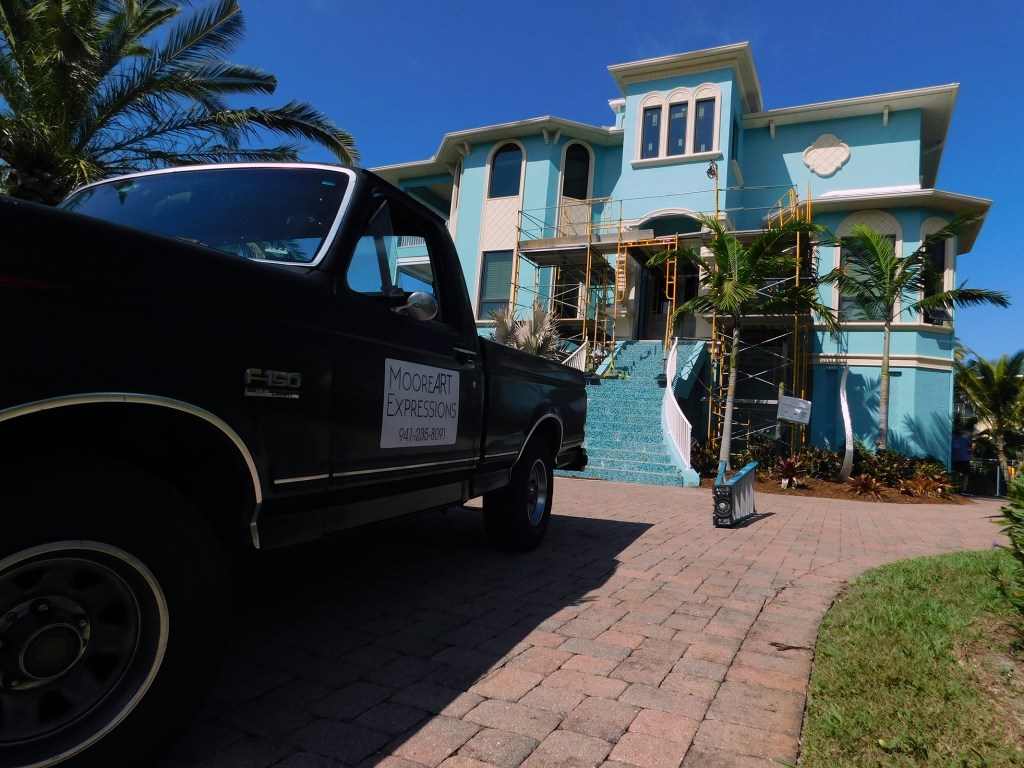
During my years in concrete construction, I learned to form, pour and finish concrete, so when I was chosen to sculpt and produce the “Puppy Raiser” bronze monument for SGD, it was with confidence that I offered for Moore Art Expressions to construct and install the base for the sculpture as well.

Left to right: My son Christopher and I had removed the patio blocks and dug the hole the day before, so when we arrived at the site, it didn’t take us long to mix, pour, reinforce and level the footing which would support the large prefab pipe section we would use for the custom base.

1) Chris carefully leveled the surface of the concrete footing to ensure the pipe section would also be level when installed. 2) A few days later, Fred and I delivered the concrete pipe section, using a gantry to lift the 500 lb. cylinder off the truck. 3) After rolling the gantry (hoist) from the truck to the installation site, we lowered the piece into place. 4) Now we were ready to backfill around the pipe section.

1) Pipe section with initial stucco surface and backfill. 2) Wide shot of the base on site. 3) After filling the inside of the cylinder with gravel and compacting it to 8″ below the rim, we added 4″ concrete, steel reinforcement rods and then 4″ more concrete. 4) Once the concrete was ready to finish, I troweled the surface until it was precisely flush with the top of the pipe section.
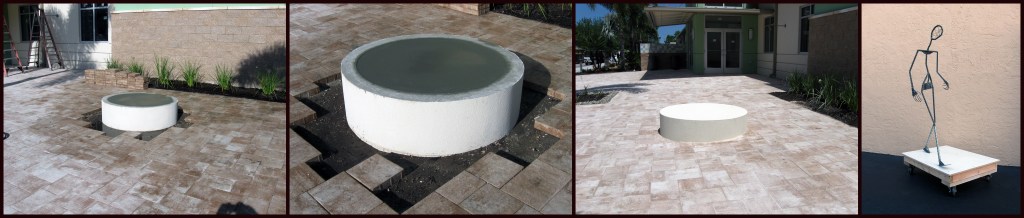
1) My life in the skilled trades taught me to value a tidy workspace. I like to clean as I go, so once the troweling was complete I did a thorough cleaning of the surrounding patio bricks. 2) Leaving the site that night, I thought about how these skills I had learned thirty years previously had sure come in handy on this project. 3) A few days later, I returned to see that the general contractor on the construction site had finished the stucco work and replaced the surrounding brick. 4) Back at the studio, I had already begun the work on the life size steel armature for the original clay sculpture.

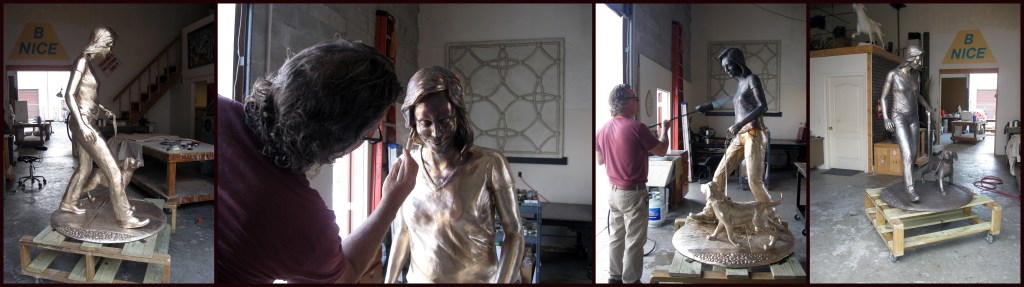
1) To minimize the amount of oil clay needed to build up the female figure over the steel armature, I hand carved foam and secured it to the armature with Great Stuff foam gap filler. 2) To maximize the sticking qualities of the oil clay as it is being applied to the foam, we coated the entire figure with casting wax. 3) Alexa Sims jumped in to build up the oil clay on the foam and steel armature. 4) Meanwhile, I was piecing together the puppy armature, using the female figure for size adjustments.

1) During the “roughing out” stage of the sculpting process there is usually a lot of pushing and pulling (adding and subtracting) of clay as size adjustments are being made. 2) At first, we kept the puppy separate (unattached) to the figure base so we could work on it at eye-level on the tabletop. 3) When I was satisfied that the original sculptures were working well together, I decided it was time to start finishing the clay surfaces. 4) Refining and texturing the clay sculpture is usually the most time-consuming process in the creation of originals. It’s also some of the most fulfilling work for me, as an artist.

1) The original sculpture for the cast-bronze base. I wanted to “cap” the concrete pedestal with a simulated bronze walkway to add aesthetic appeal, but also to add structural strength to monument as a whole. 2) During the final refinements of the clay originals I always look more often to the reference boards for precise details. This is also the time when I work closely with the client, inviting them to voice any final preferential changes before the molding process begins. 3) To make the molds more manageable, it is customary to cut the original sculpture into pieces and mold them separately. 4) Chris Moore and Mordechai Ramos make rubber and gypsum molds of the dismembered parts of the puppy and female figure originals.

1) Quality molds don’t come easy! Each step of the mold process requires attention to detail and proper application of the mold making materials. 2) The only step of the bronze process that we weren’t equipped to perform at Moore Art Expressions was the pouring of the bronze. While I have plenty of experience with the pouring process, I chose to have the bronze parts poured at American Bronze Foundry, Inc. in Sanford, FL. I subcontracted them to “cast and blast” all bronze parts for the “Puppy Love” monument and many other bronzes our team produced at Moore Art Expressions and S.M.art Castings & Sculpture Services, LLC. 3) Once all the bronze was cleared of imperfections, it was time to begin welding the parts together. 4) The base needed some serious sledgehammering to get it into shape. During the wax casting phase, it is commonplace for large flat surfaces to get twisted and disfigured.

1) Chris refines the detailing of the faux river stones by grinding the surfaces and replacing the shapes and textures where the welded seam fused together the two halves of the circular base. This process of metal cleanup is called “chasing” in the bronze industry. 2) The Moore Art Expressions studio in Port Charlotte was saturated with creative spirit. Our team took pride in keeping a clean and orderly workspace, believing that our studio was a showcase for the art we were producing. 3) It’s easier to deal with the most problematic issues with the raw bronze if you take care of them before welding each section to the larger whole. Female and puppy torso/head sections. 4) I welded a stainless-steel post into the leg section in order to attach the female figure securely to the large circular base. This steel infrastructure unified the female figure, the puppy, and the base, maximizing the monument’s overall structural integrity.

1) Reconstructive welding is difficult work, but it is also one of my favorite processes because of the necessity to maintain exacting control over the heat being applied to the various material thicknesses while using the appropriate filler rod to weld the sculpture back together. 2) It’s always a pleasure to see the sculpture fully constructed in bronze for the first time. The sculpture takes on a whole new level of importance when it has been transformed from a clay piece into bronze. 3) Christopher, fitting the bronze leash which will finish the metal work for the monument. 4) Once all the welding, grinding, and sanding is complete, it’s best to unify the surface by sandblasting the entire bronze. This reveals any remaining inconsistencies in the bronze surface, which should be repaired before the patina process begins.
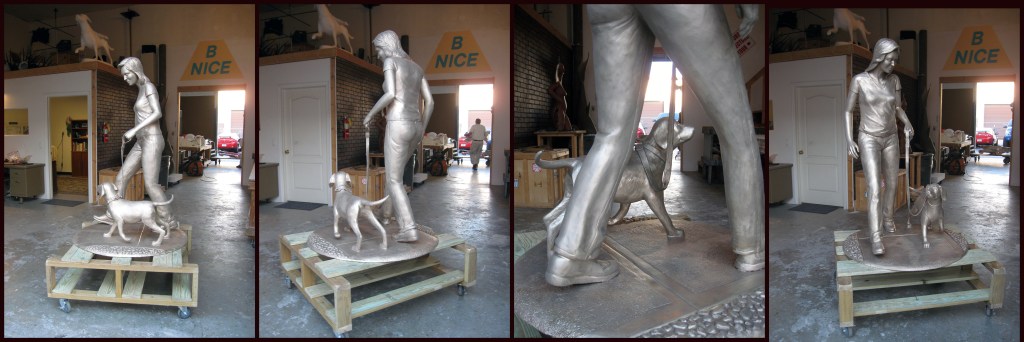
Four shots of the assembled bronze, sandblasted, conditioned, and ready for patina.

On the day the patina process was set to begin, I brought the entire sculpture up to a high luster, using abrasives and conditioning pads (Scotch-Brite). This ensures that any oils or areas of oxidation will not inhibit the attachment of the patina materials. The client had requested a colorful patina, this called for both nitrates and oxides, both specifically formulated to adhere to the bronze surface.
The first step in the patina process is to “antique” the bronze surface. This requires uniform levels of moderate heat and the application of an antiquing solution to lay in the dark tones and emphasize the highlights. Then the surface is rubbed back again, using Scotch-Brite pads, giving it the appearance of a naturally aged piece of bronze.
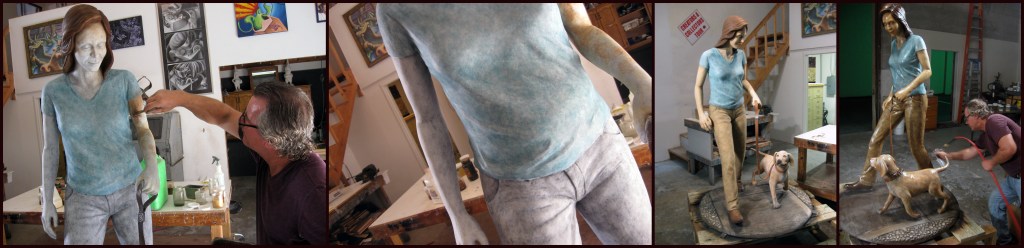
This was an elaborate patina because it was polychrome. All the colors needed to be applied at precise heats (fairly high), so they’d stick to the underlayers below them. Also, the patina materials are very thin like watercolors, so they have a tendency to either run or splatter if the temperature of the bronze isn’t optimal for adhesion of the patina solutions. Patinas are built up on the surface, but they are not like paint, they are rarely more than a few microns thick. This patina took me approximately 18 hours to complete. I sprayed the clear coat (acrylic lacquer) on the piece in the wee hours of the morning, after pulling an all-nighter, so we could install the sculpture that very same day on the Southeastern Guide Dog campus. They were hosting a dedication ceremony for the new Puppy Training Facility and had been checking in regularly with hopes to have it installed for the celebration.

The biggest concern I had when we delivered “Puppy Love” to the site for installation was that the fresh patina and the 3 coats of lacquer which hadn’t had quite enough dry time. We needed to be especially vigilant while we were strapping it into the truck for the trip to SGD and also when we were hoisting it out of the truck and lowering it into place on the concrete base. The whole operation went off smoothly though, and the weather was grand in Tampa Bay that day.
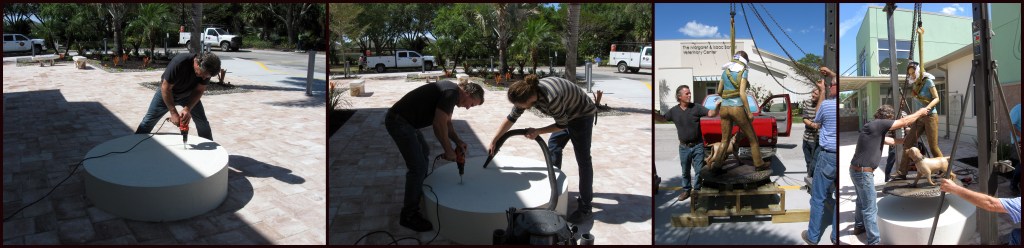
The final step of the installation process was to drill mounting holes in the concrete pedestal top so we could cement the sculpture to the base. During the assembly phase of the project, I had welded in four threaded mounting blocks on the bottom of the base – these were basically threaded receivers for 1/2″ diameter stainless-steel threaded rods which extended beyond the bottom edge of the sculpture by about 12″.
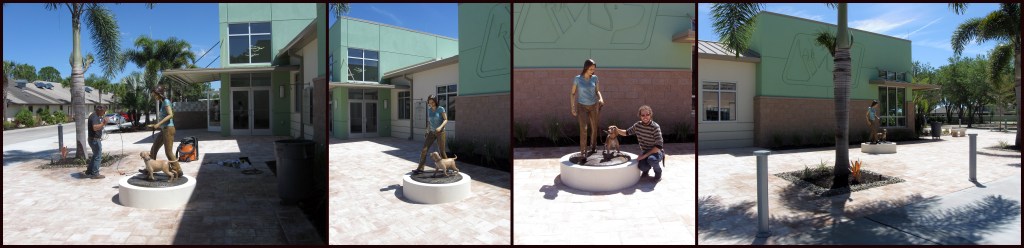
It took us about 7 months with nine full time team members to produce and install the “Puppy Love” monument. Of course, there were numerous other projects happening simultaneously, including the dog castings for the “Superheroes on Parade” campaigns. At Moore Art Expressions, we always endeavored to work smart and safe. As I remember it, our team shared a strong sense of accomplishment when this project was complete. I believe that each one of us had also attained a new level of understanding concerning the process of bronze sculpture production.

Other Bronze Sculpture Commissions
Commissions to Produce Various Dog Portrait Bronzes

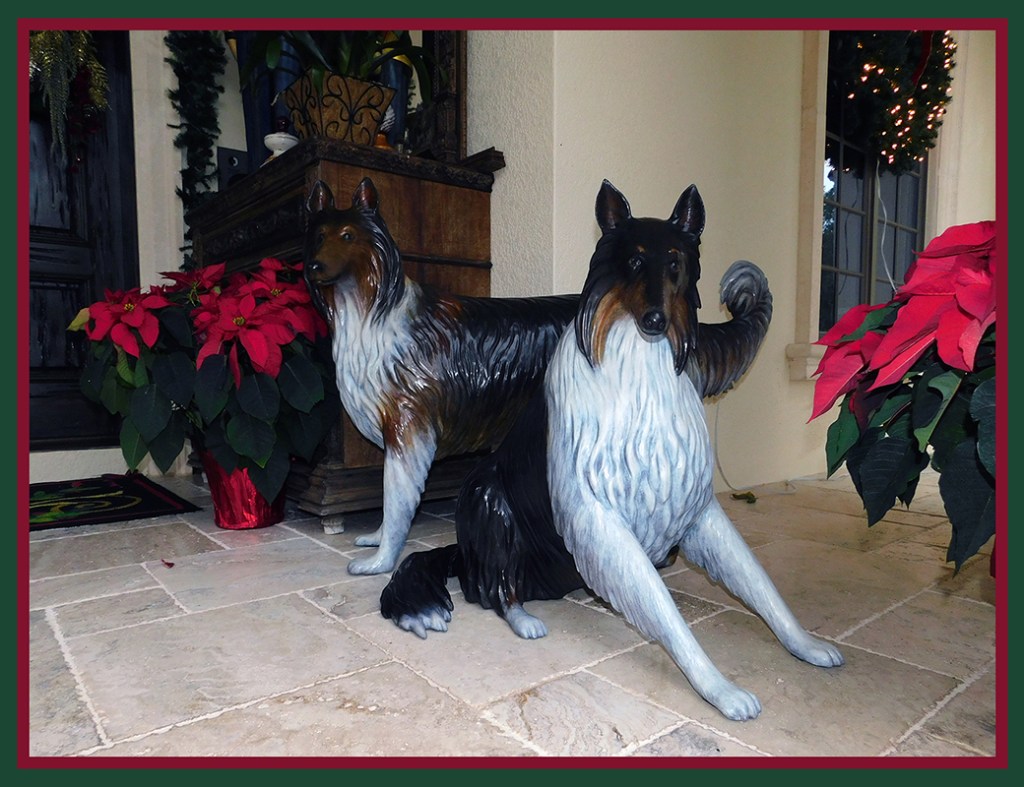
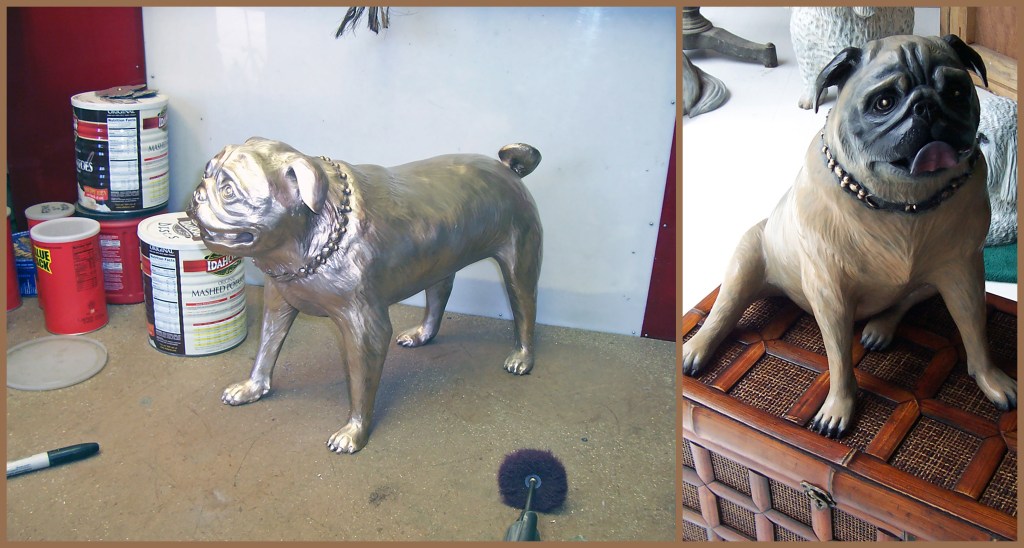

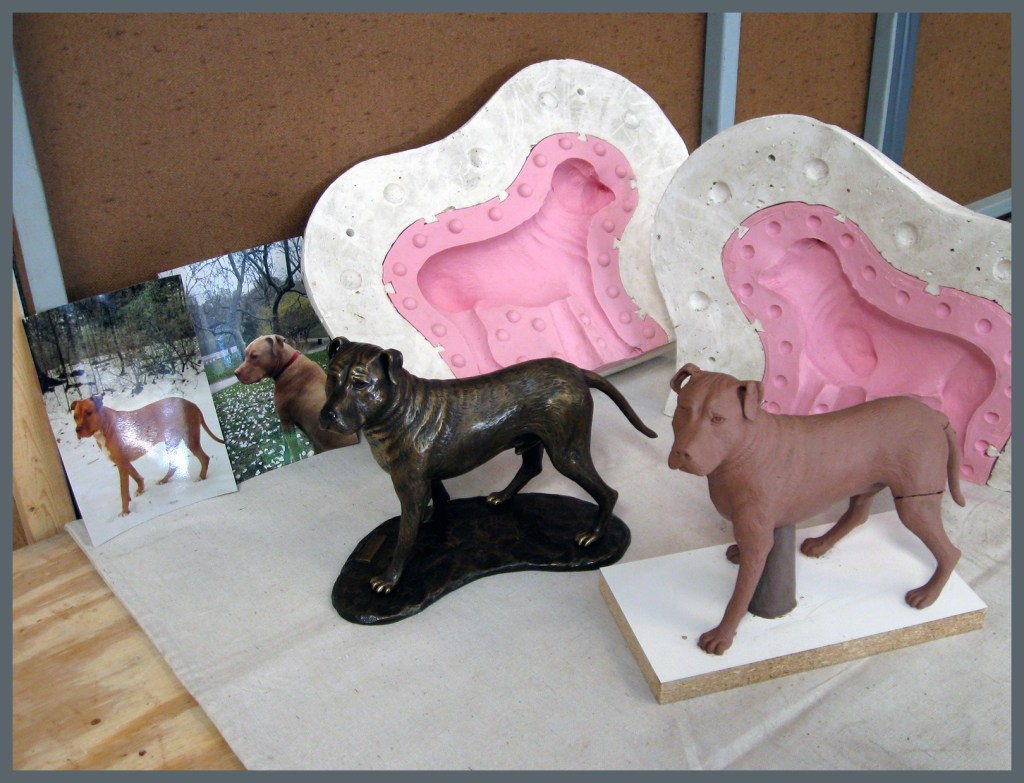
Commissions to Produce Bronze Portraiture
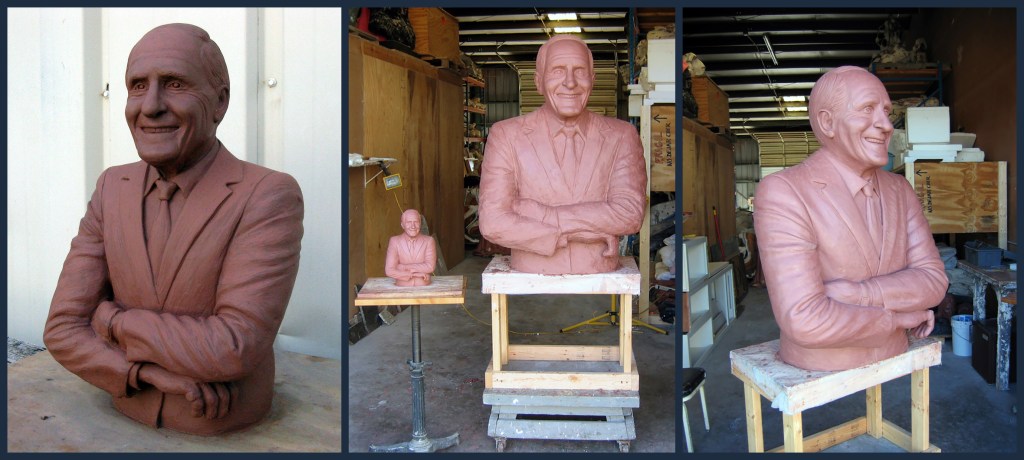
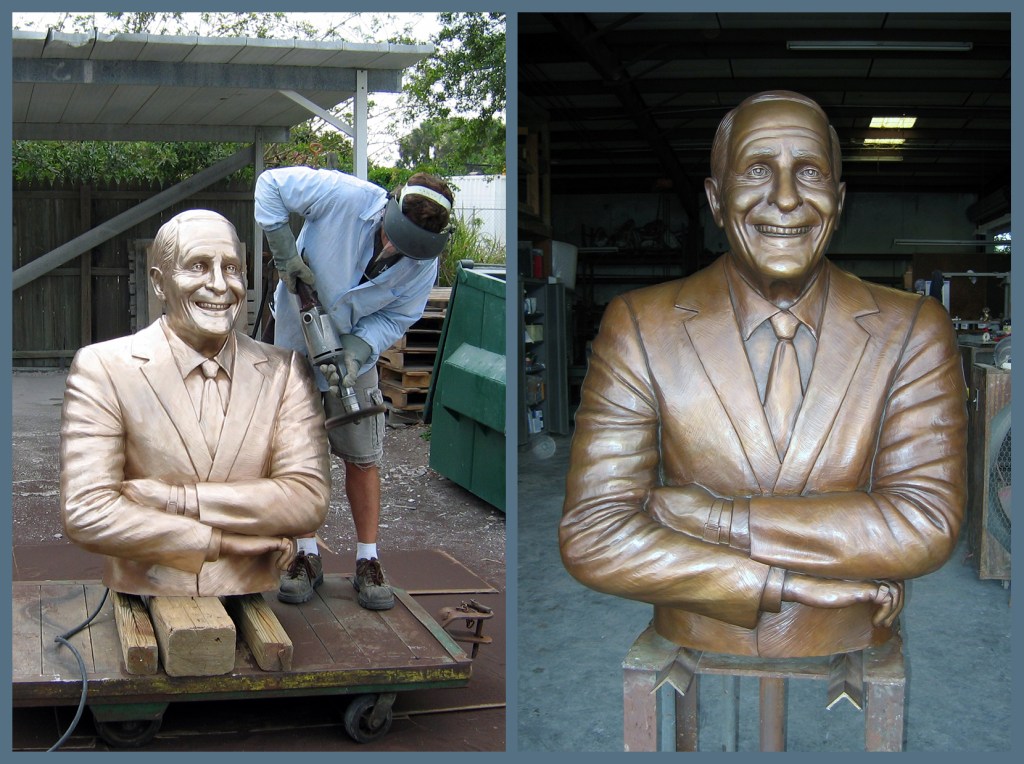
Commission to Produce 1.5 Life Size Upper Body Portrait of Jay Wiess for Miami Medical Center, Miami, Florida
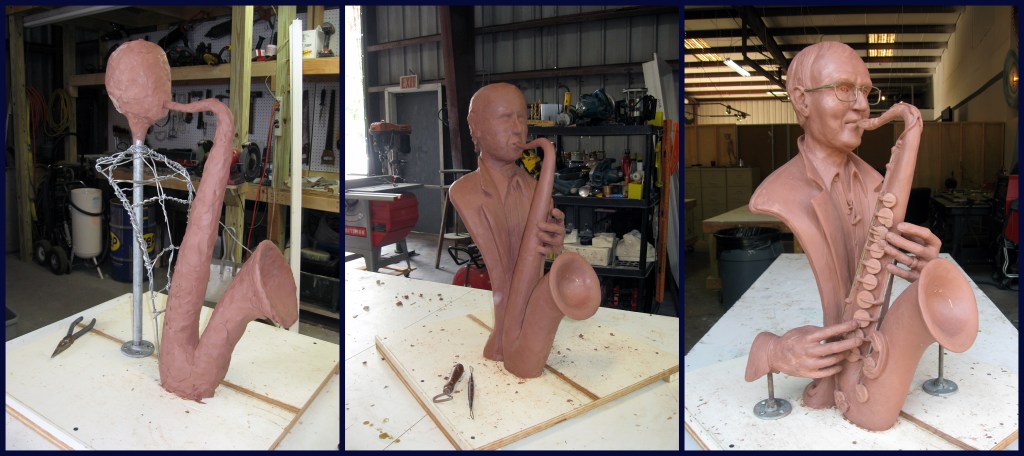
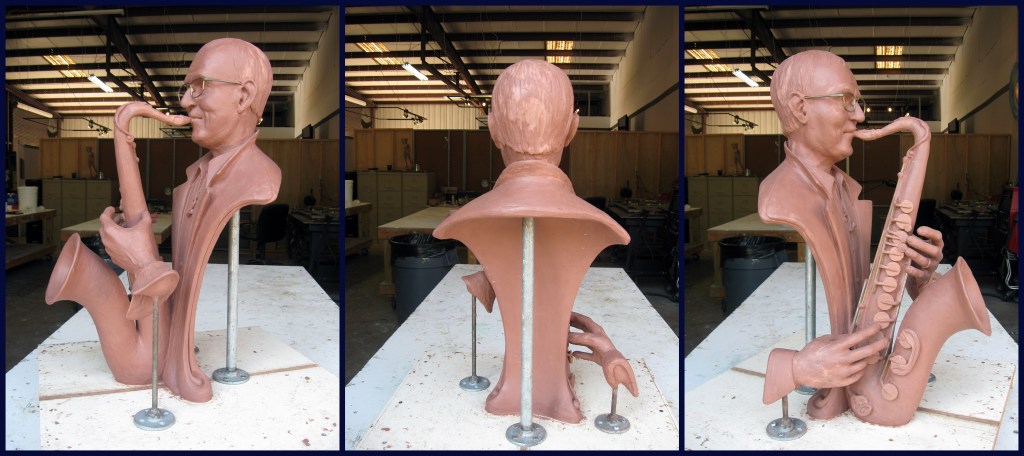
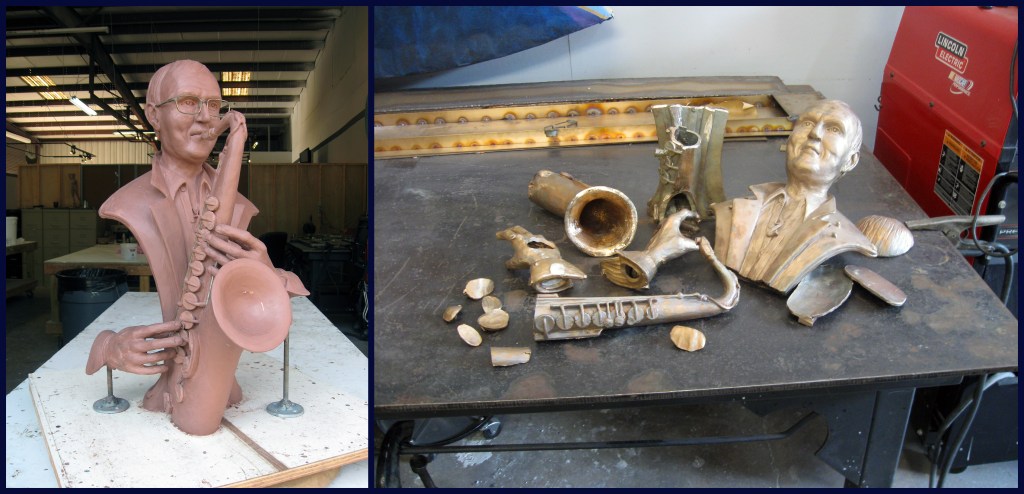
Commission to Produce Bronze Bust of Kenny Soderblom (Jazz Musician)

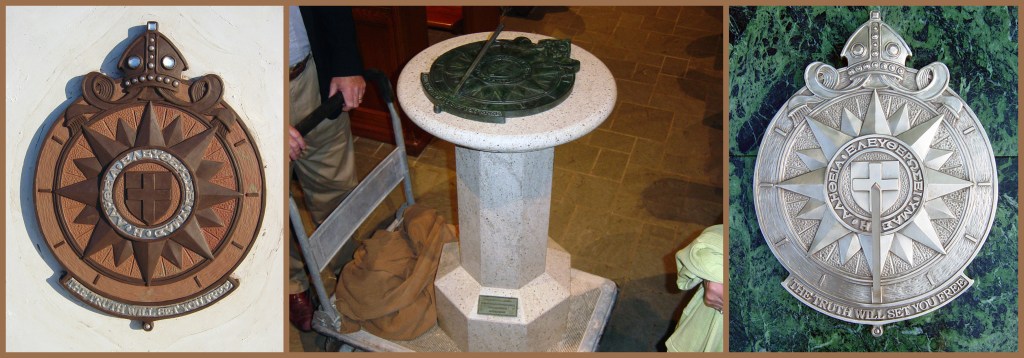
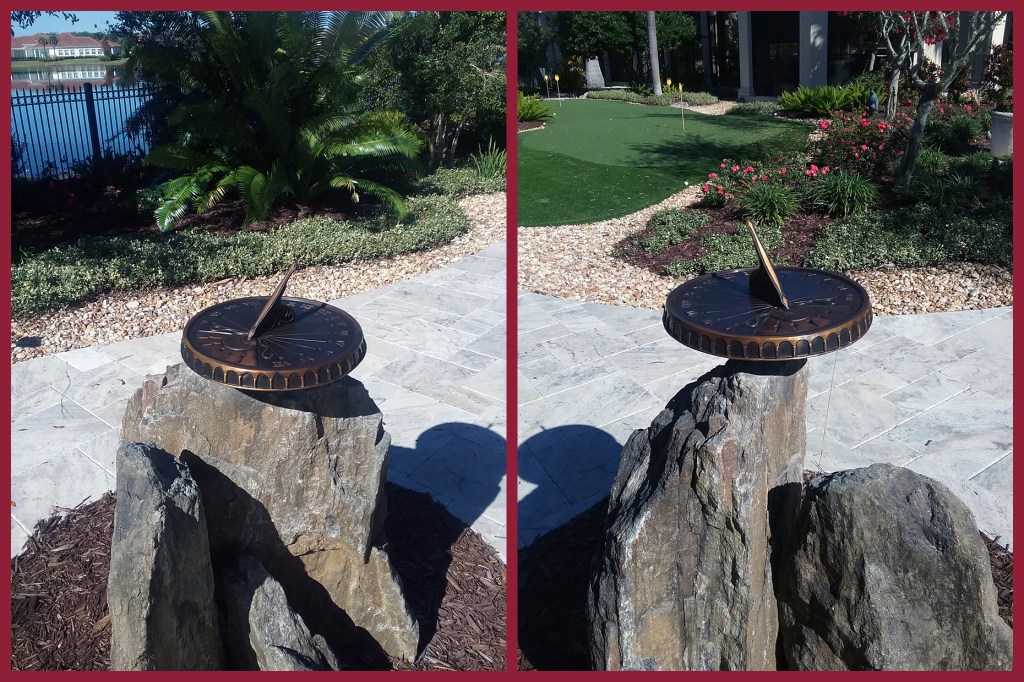
Custom Bronze Sundials

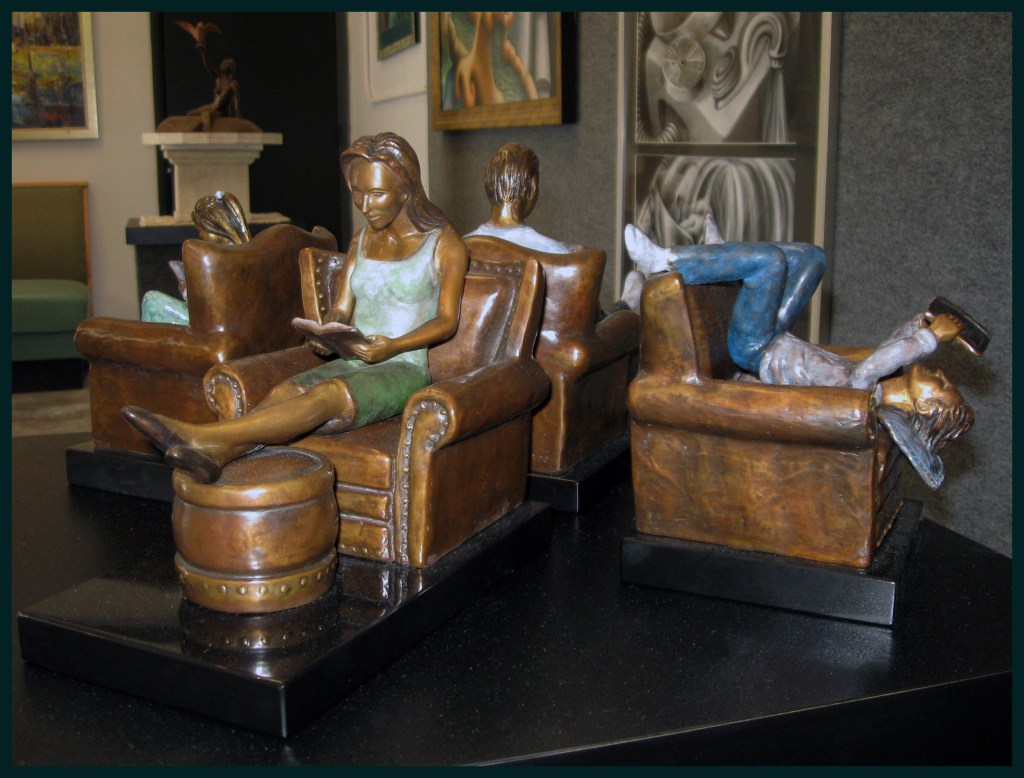
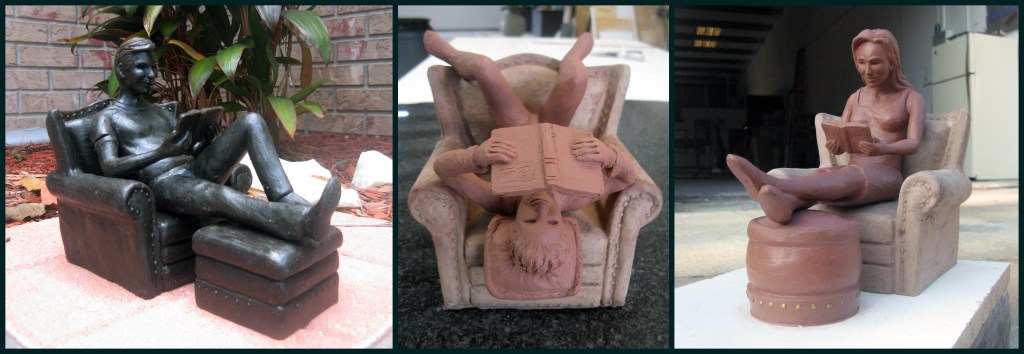
“Family Readers” – Bookends
Commissioned by a well-respected Sarasota businessman to produce these bronze bookends mounted on black marble bases.

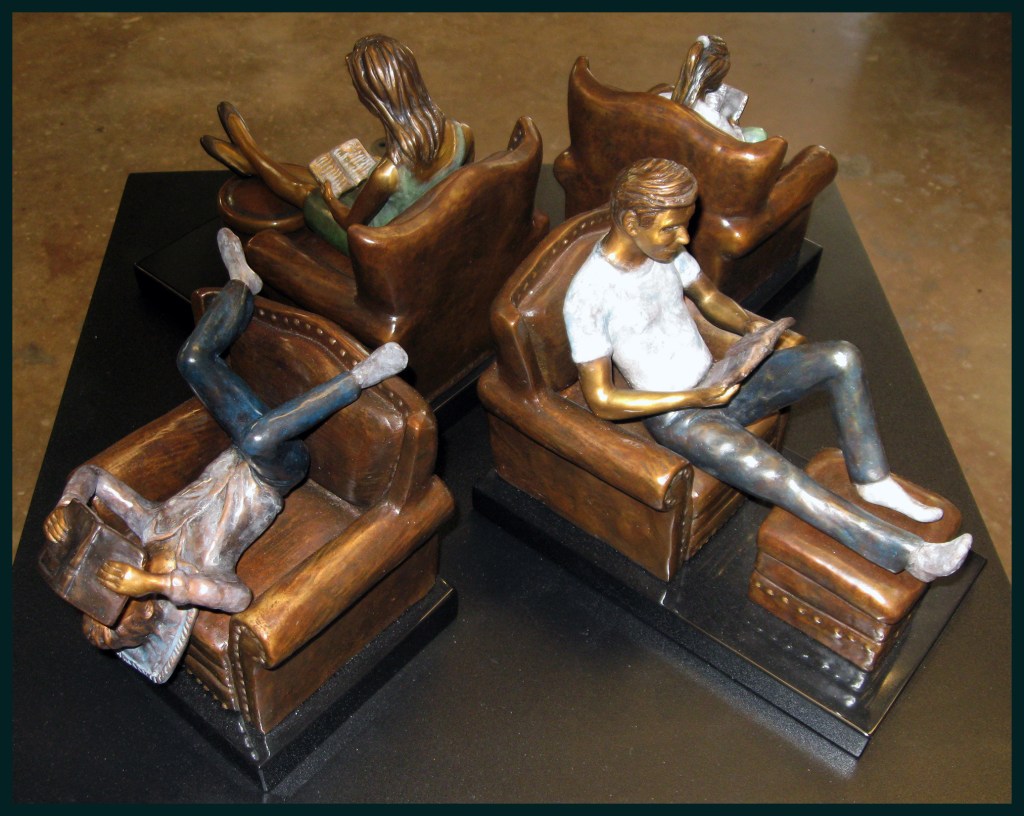
Scott Joseph Moore – Bronze Sculpture
“Fantella Fantastic”
Limited Edition bronze sculpture – Edition of 50
“Fantella Fantastic” is my latest bronze sculpture, born from a vision of hope and resilience. I designed and sculpted the original, leading to the production of the first 5 pieces in an edition of 50, just as the clouds of the pandemic began to lift in 2021. At that time, while residing in Allentown, PA, I aspired to create a sculpture that could be proudly displayed on a staircase railing or on any tabletop in Pennsylvania’s prevalent townhouses. I envisioned it small enough to harmonize with interior décor but powerful enough to captivate any room and draw the eyes of its admirers. Above all, I sought to craft a design that would bring smiles to faces, uplifting spirits in a world that was steadily recovering and rebuilding.
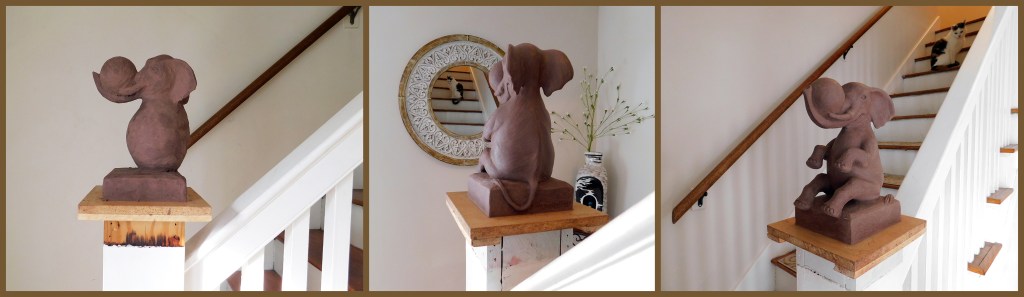

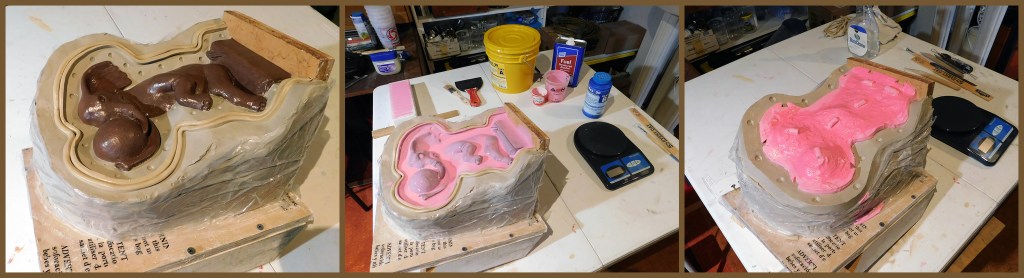
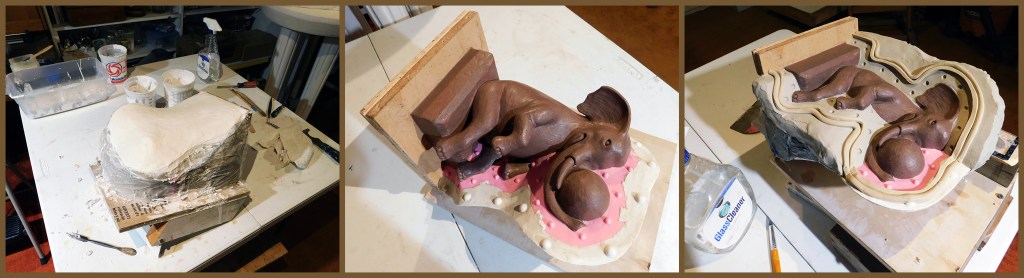
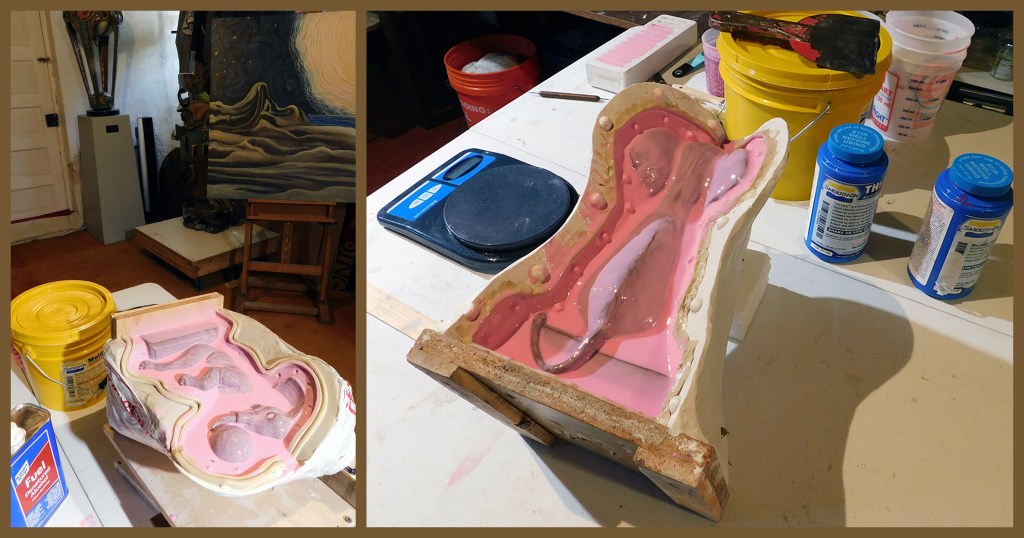
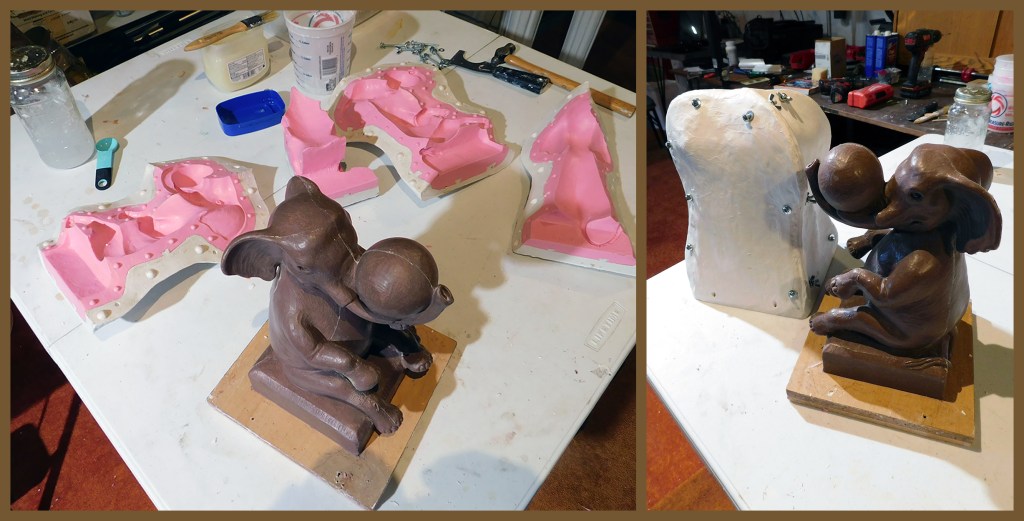
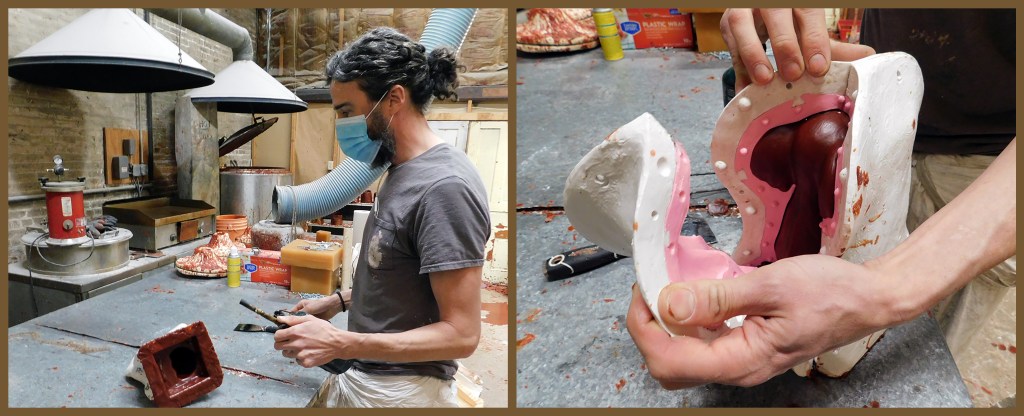


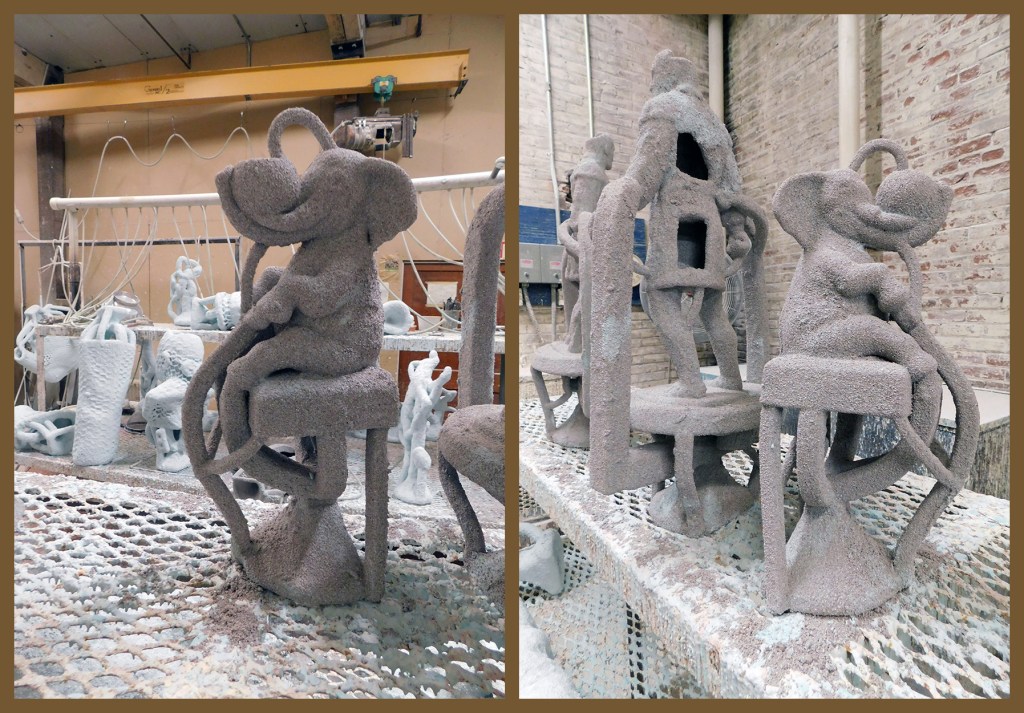
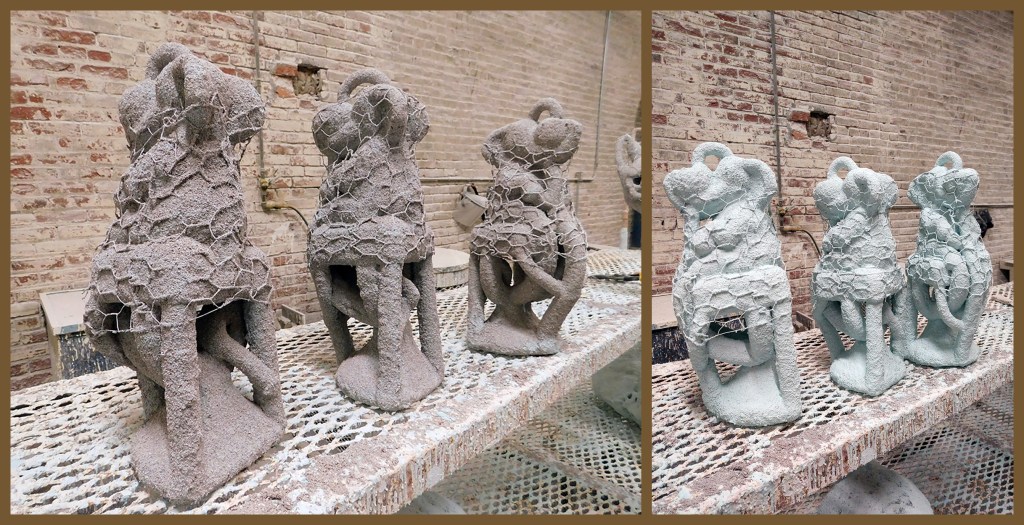

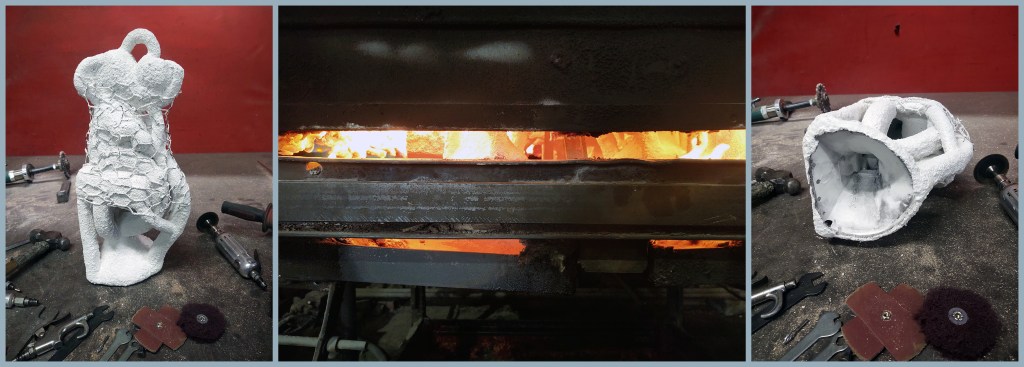

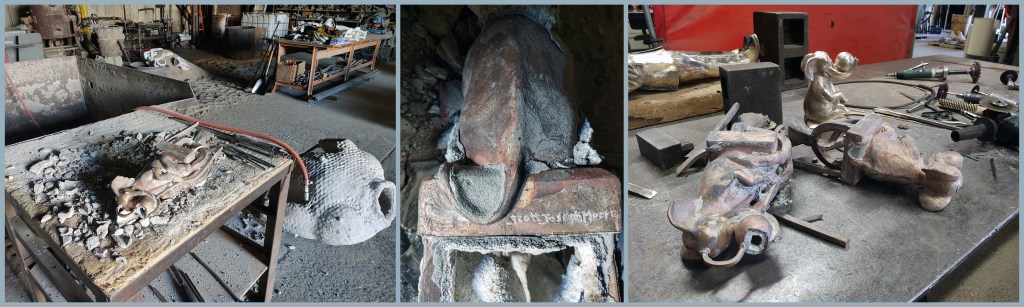
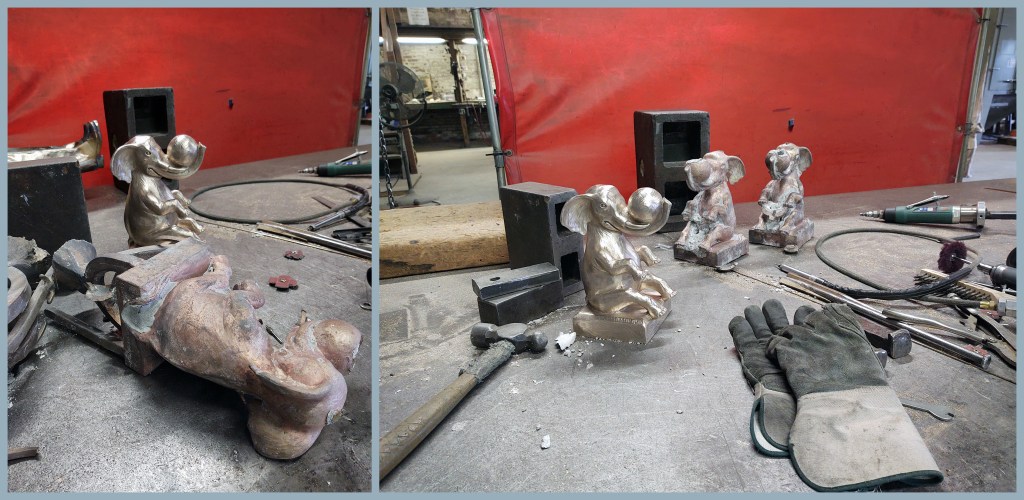


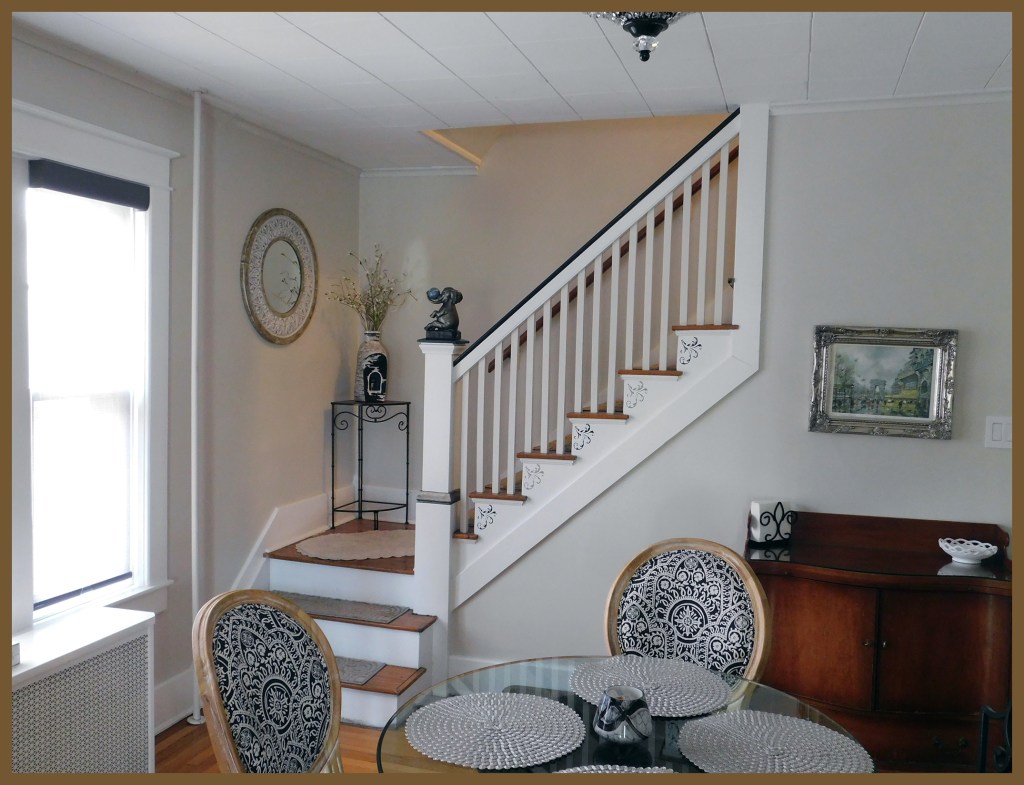
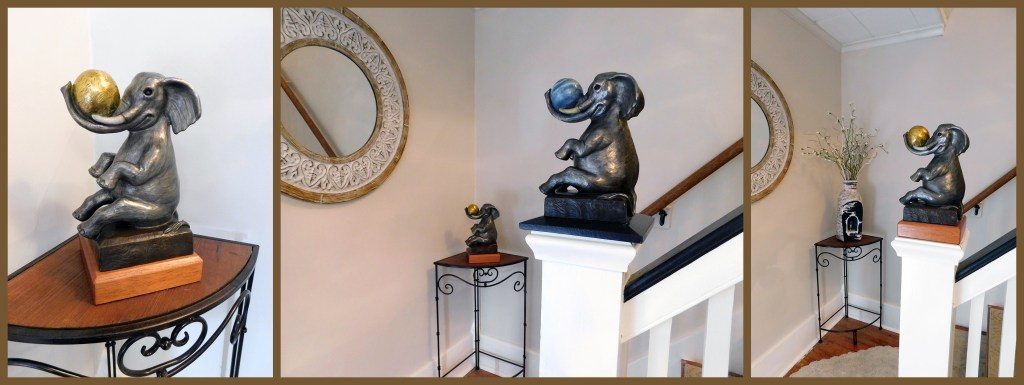
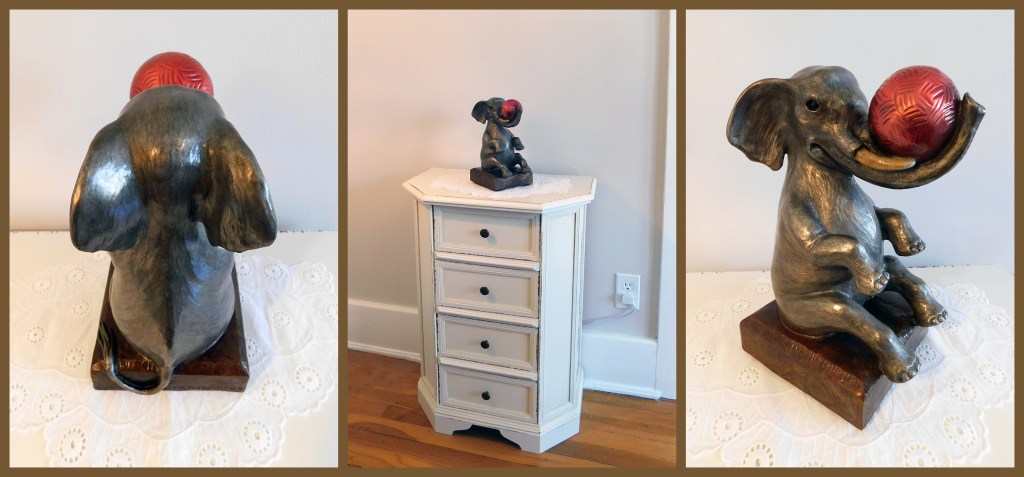
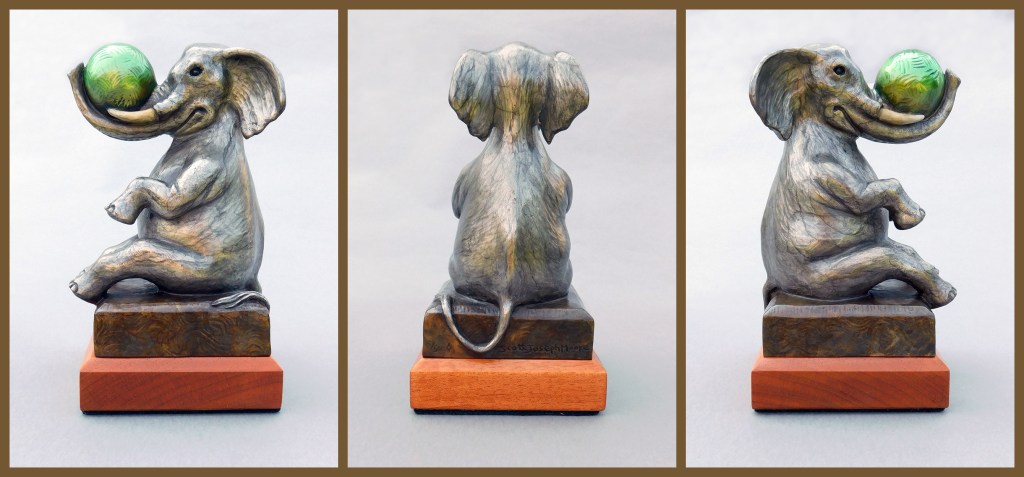
Signed limited edition castings of “Fantella Fantastic” are now available for purchase, with an expected advance of just 2 to 3 months on each order. Priced at $3,250.00, a 50% deposit is required to initiate the casting process and secure your masterpiece.
“Courtship Dance“
Limited Edition Bronze Sculpture – Edition of 21
“Courtship Dance” a.k.a. “Fountain of Love” is a small-scale conceptual model (14″) for a 6′-8′ fountain to be placed in an atrium or outdoor courtyard. The proposed fountain would feature a low-pressure style decorative water flow, filtering in the basin at the bottom and cycling up to the translucent globe on top and cascading back down over a pebbled surface on the interior of the spiraling downspout.

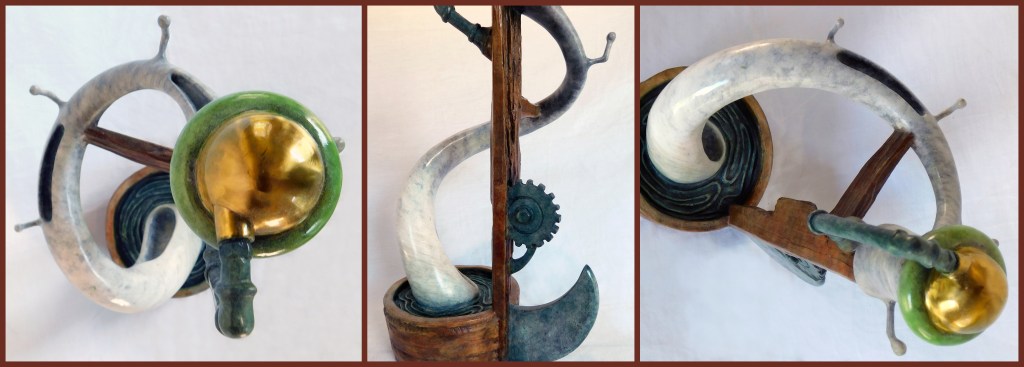
This tabletop sculpture is available at $7,500.00 and would require 3-months lead time to produce. Deposit of 50% is required to get the bronze process started. #1 of 21 is available!
Moore Commercial Sculpture Castings and Fabrications
Architectural Fabrications
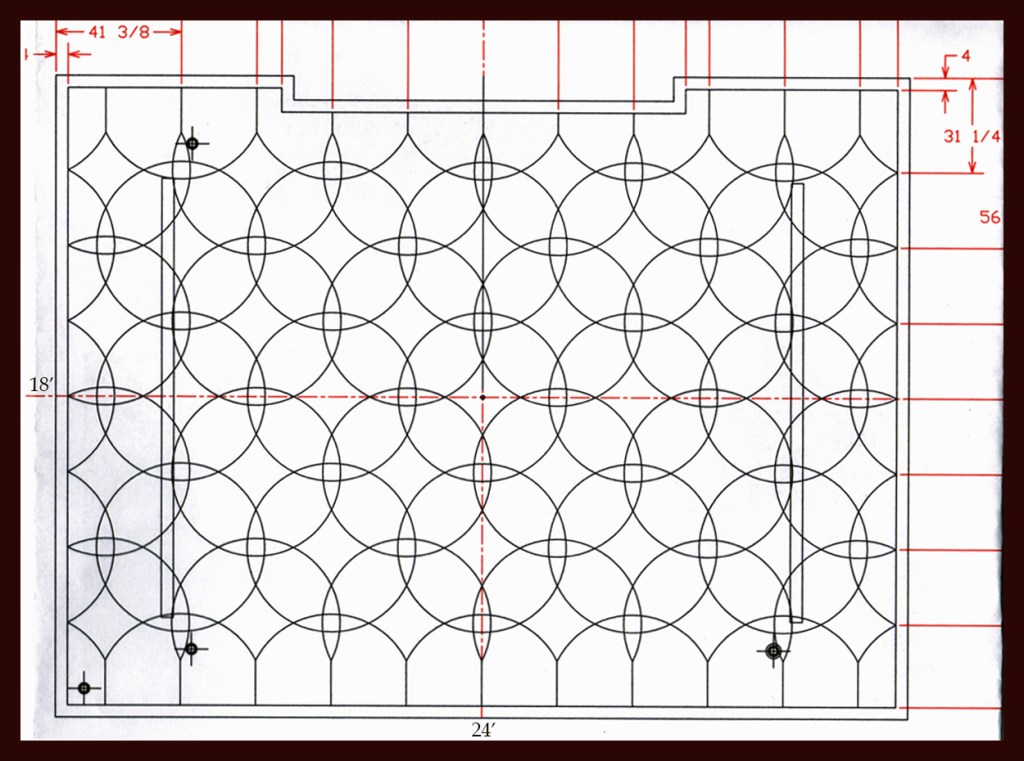
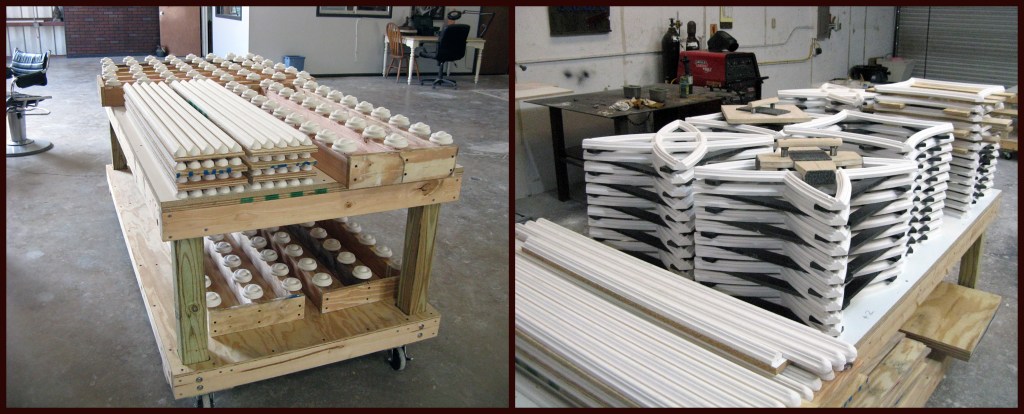
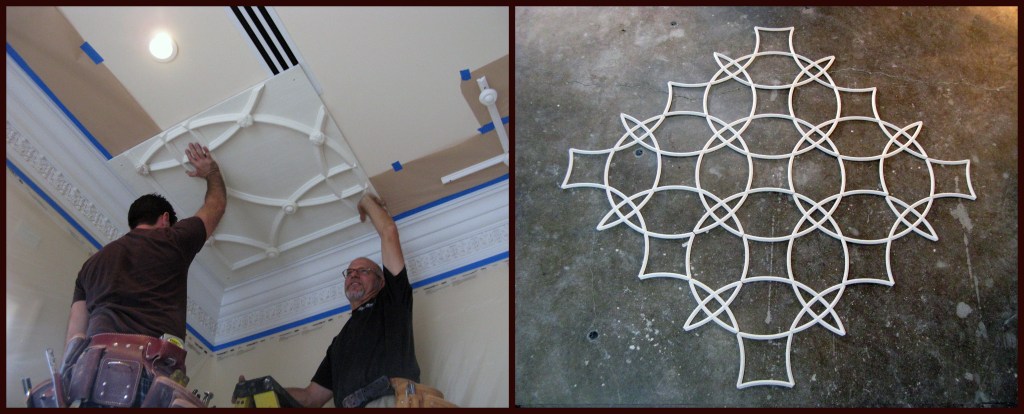
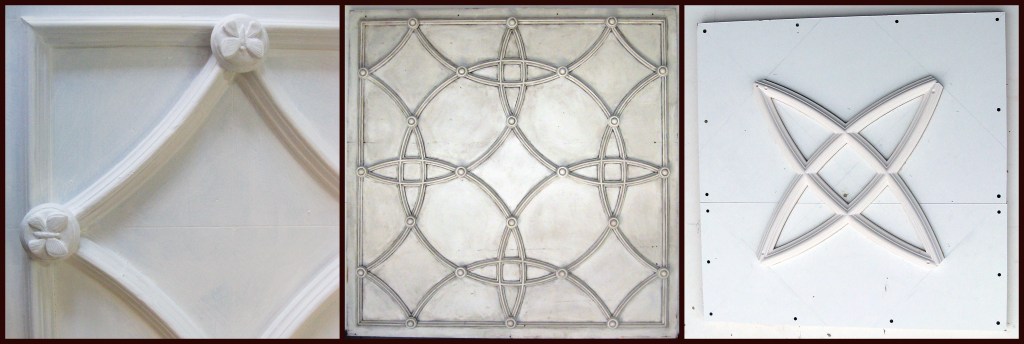
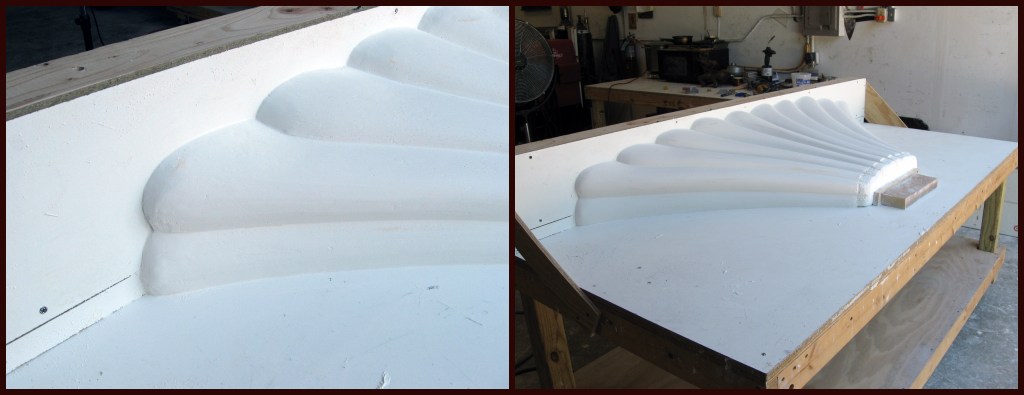
In 2009, at S.M.art Castings & Sculpture Services, LLC, I undertook the design, fabrication, and installation of three interior design elements for a private residence on Siesta Key. The first project involved crafting a ceiling design for the master bedroom suite, measuring 18′ x 24′. The client presented a photograph of a ceiling relief from the Medici Castle in Florence, Italy, and inquired if I could replicate this intricate design on her bedroom ceiling. It is possible that the geometric design is one of Leonardo da Vinci’s originals.
Cast Gypsum Ceiling Relief
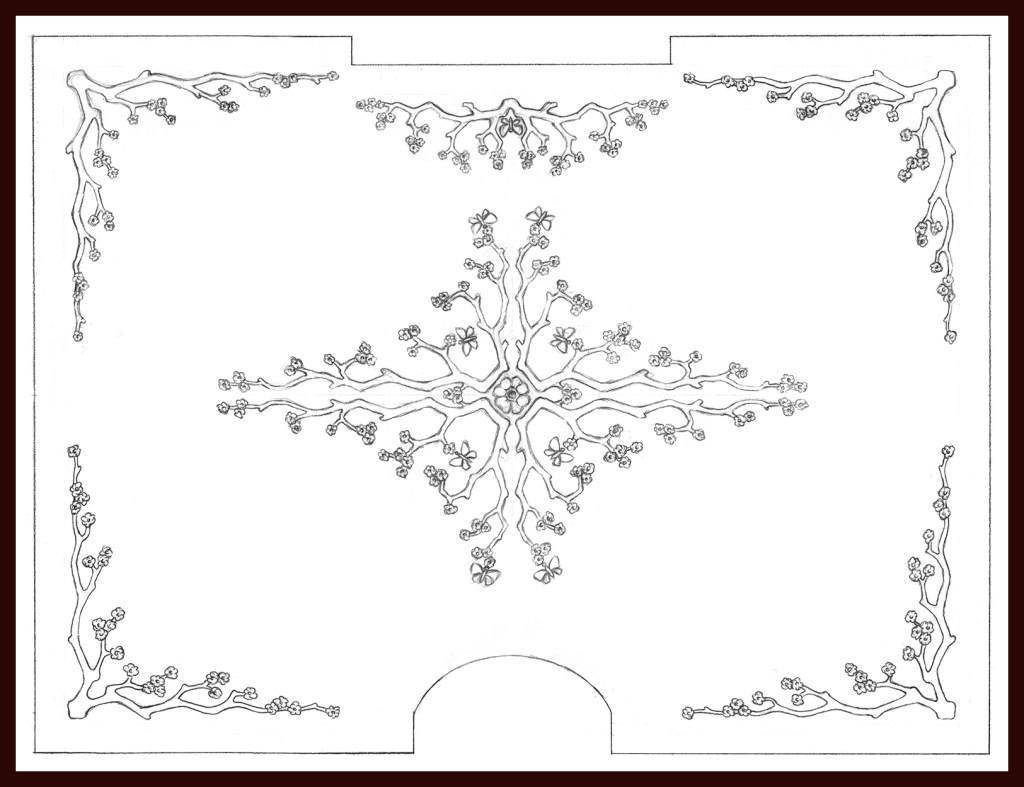
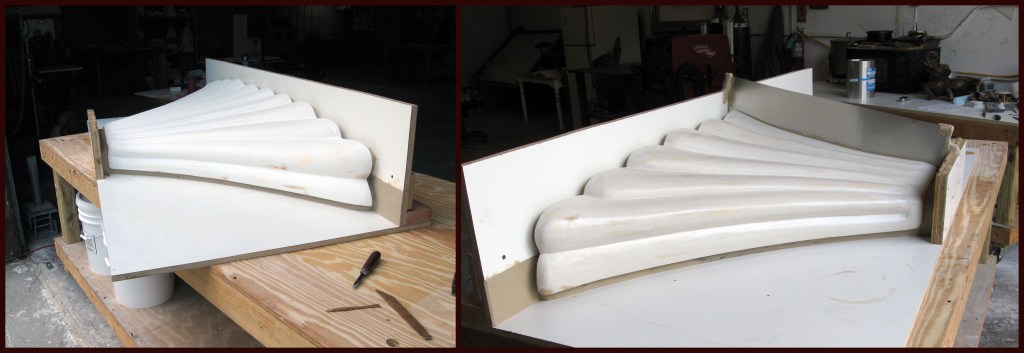
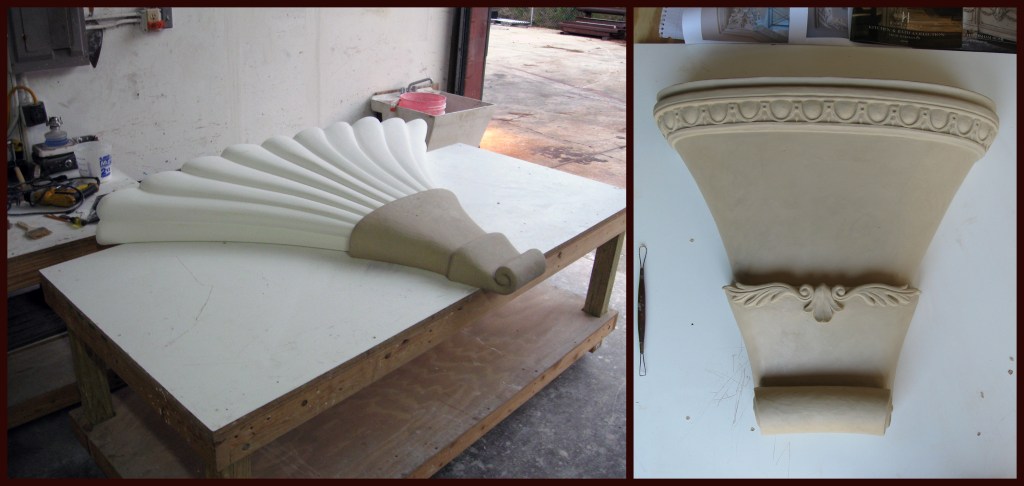
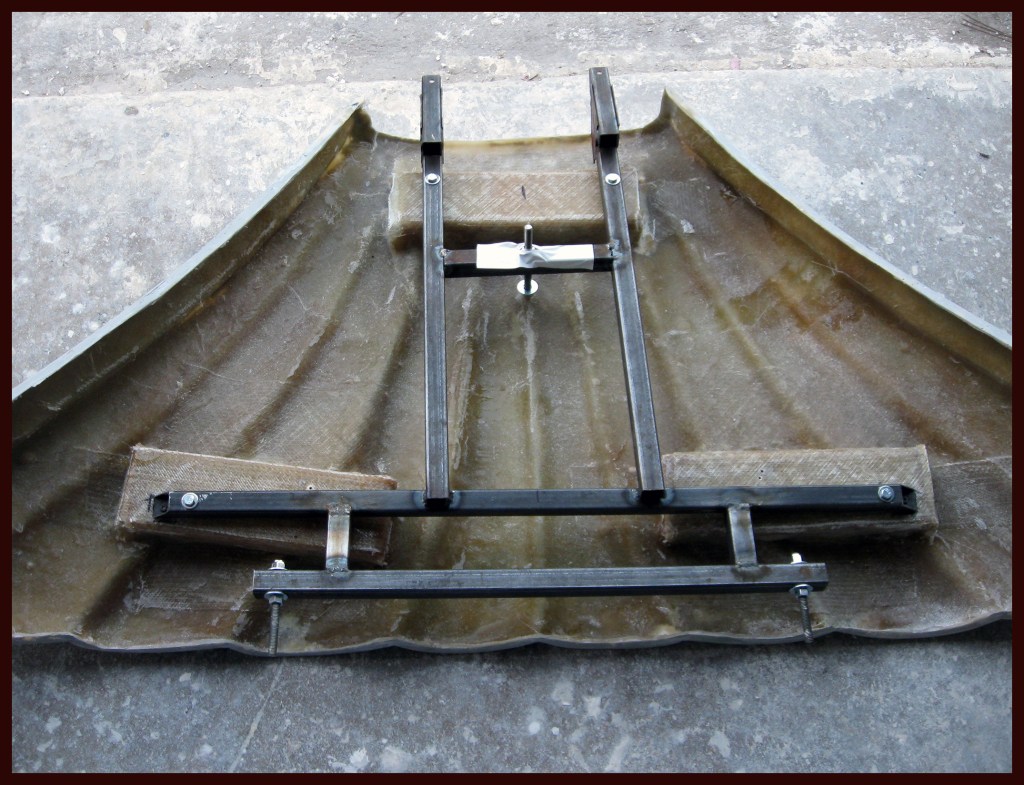
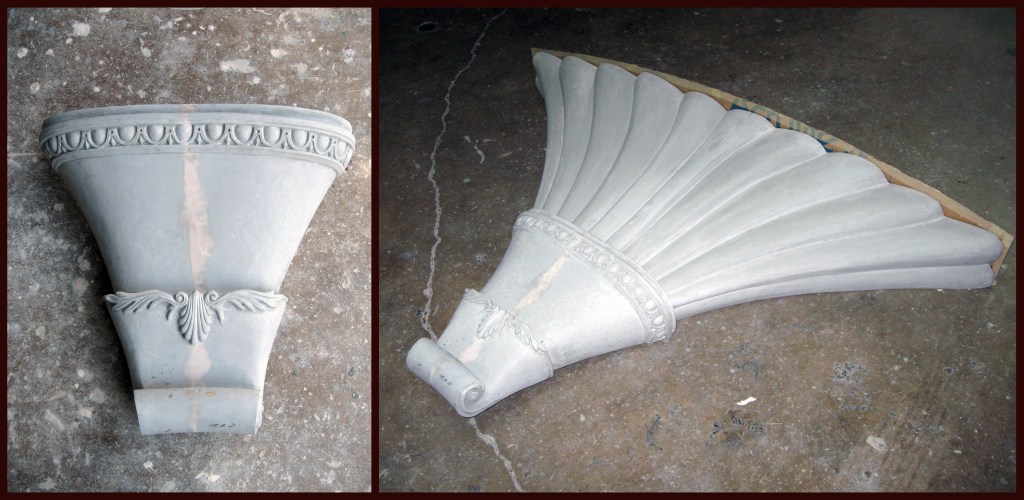
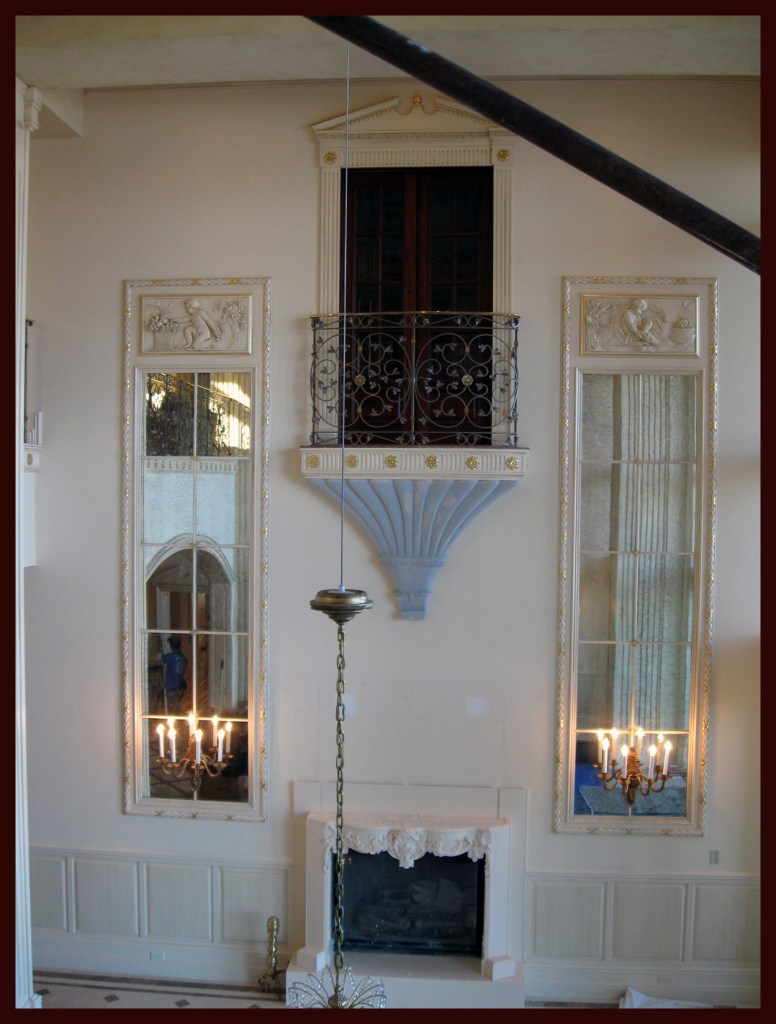
Decorative Balcony Supports
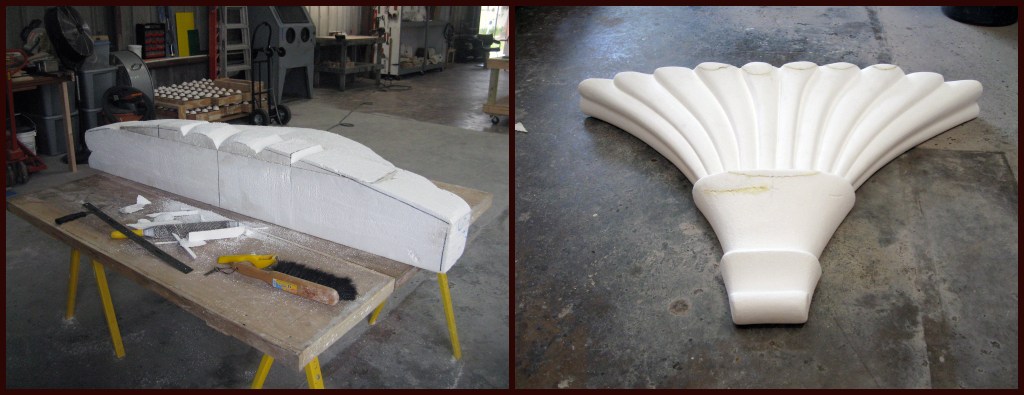
The second project at the residence was to design and install 2 decorative balcony supports facing each other across the Grand Sitting Room.


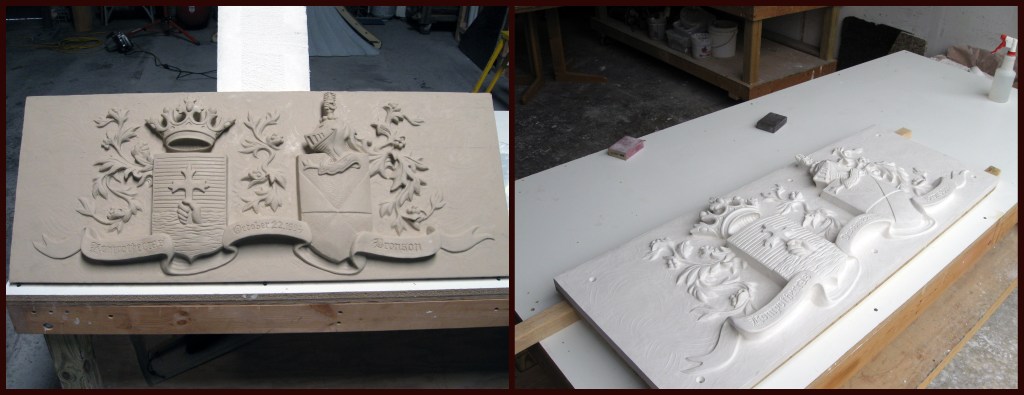
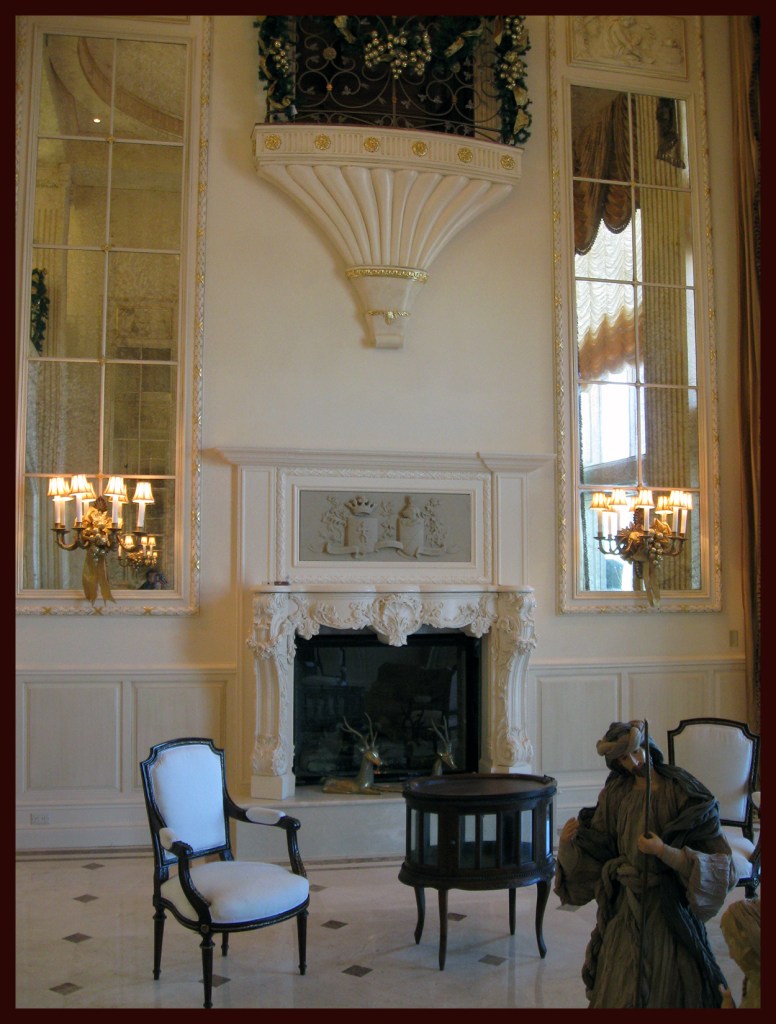
Dual Family Crests – Relief
The third and final project for the residence was to create a relief sculpture of dual family crests to be installed above the mantle of the main fireplace. The client provided me with drawing of hers’ and her husband’s family crests and I brought them together (and to life?) three-dimensionally.

Center of Light Commission
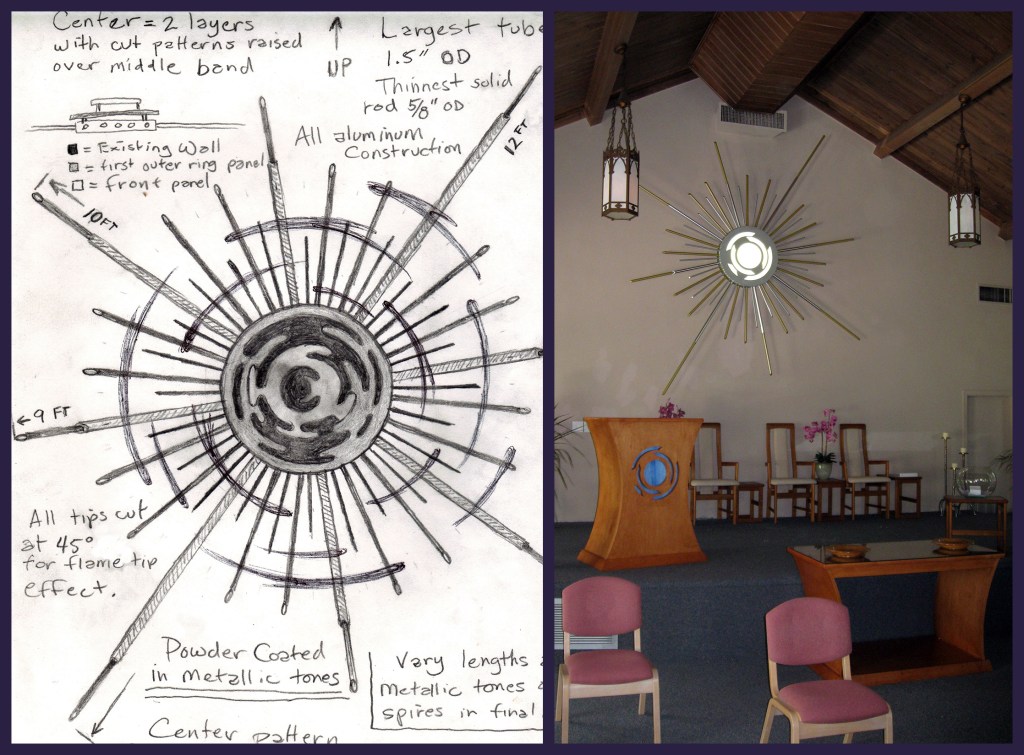
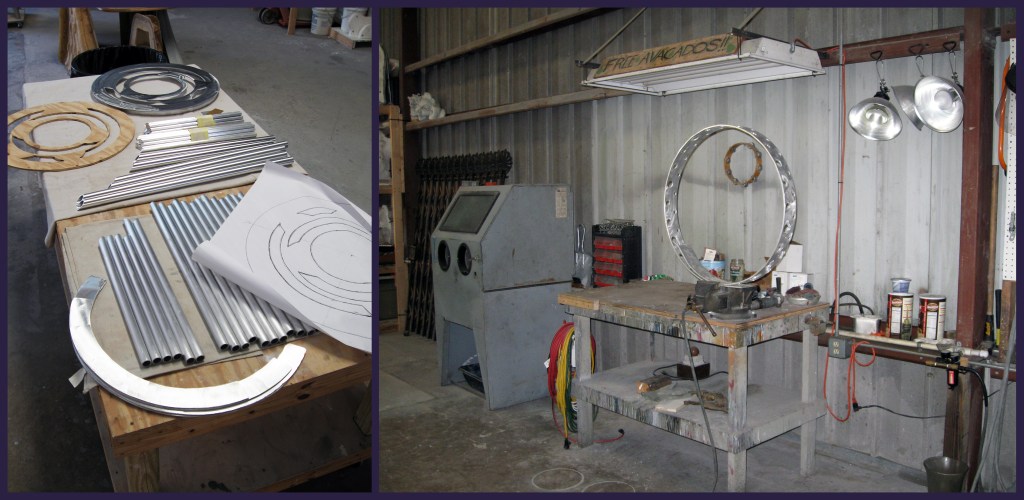
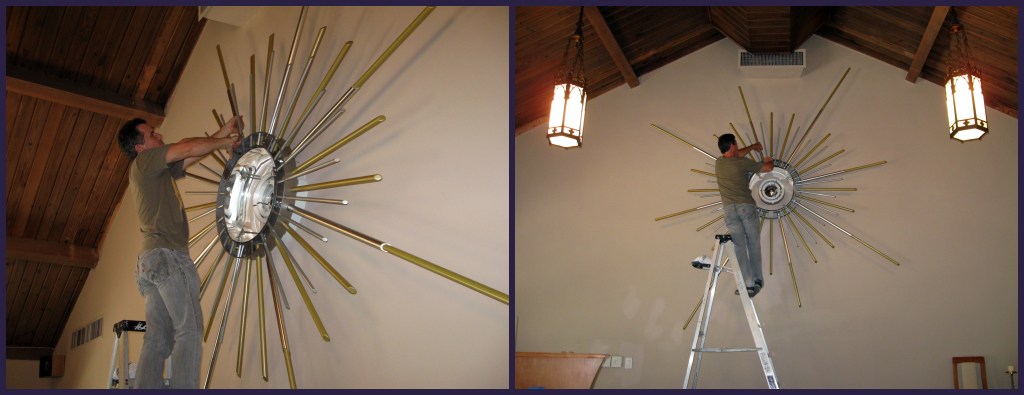
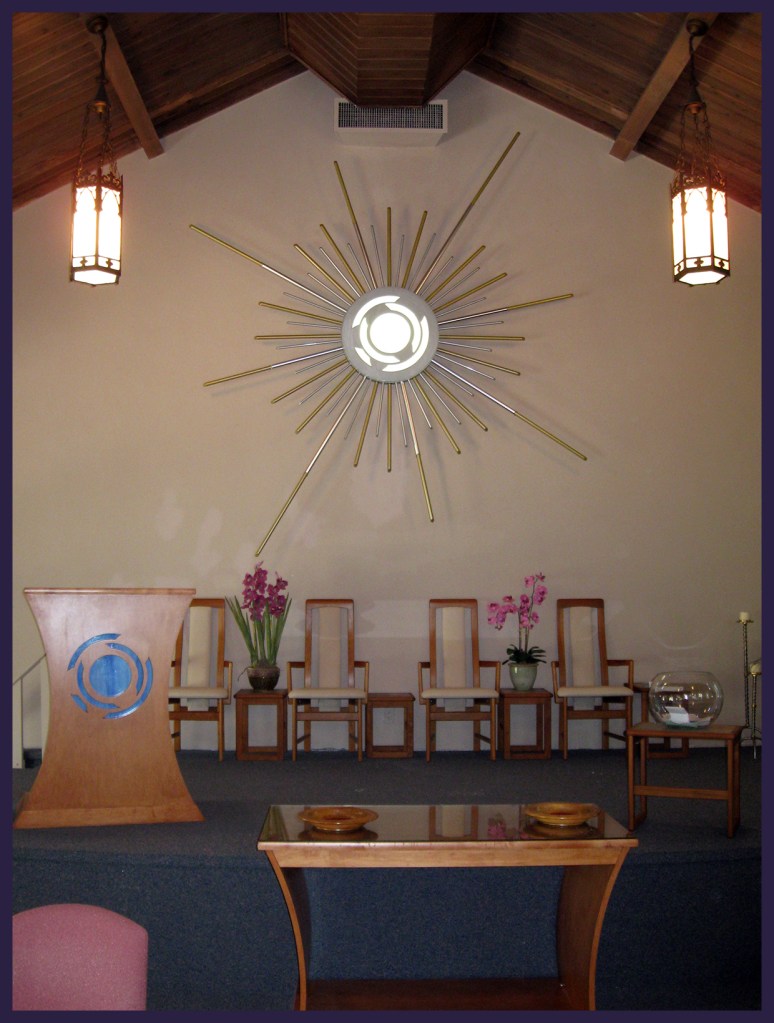
This lighted starburst fabrication was an early commission at S.M.art. Based on the design I proposed, with limited alterations, I won the contract to fabricate this 12′ aluminum starburst and install it on the wall above the altar at The Center of Light, a metaphysical church in Sarasota.

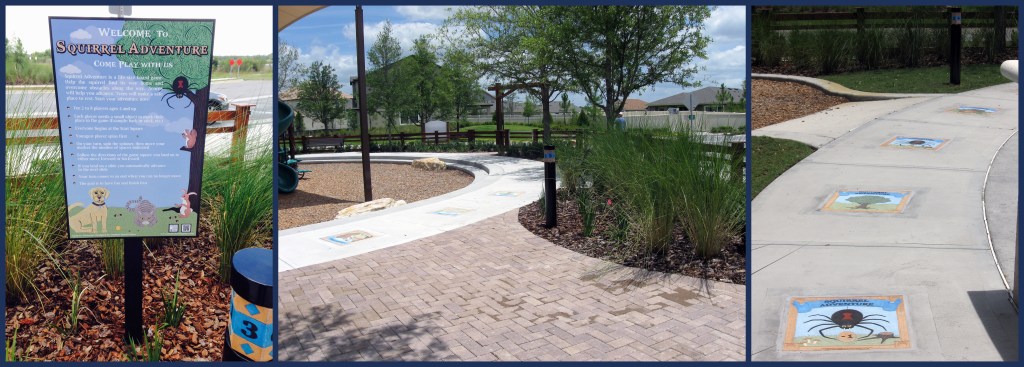
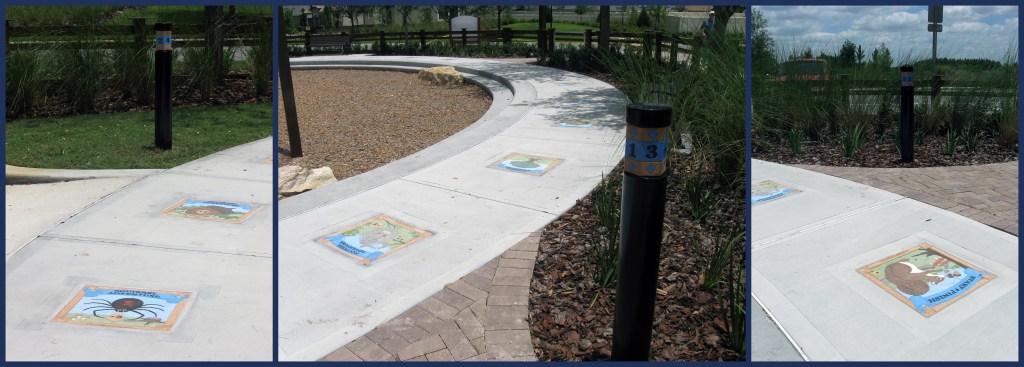
Children’s Playground Game
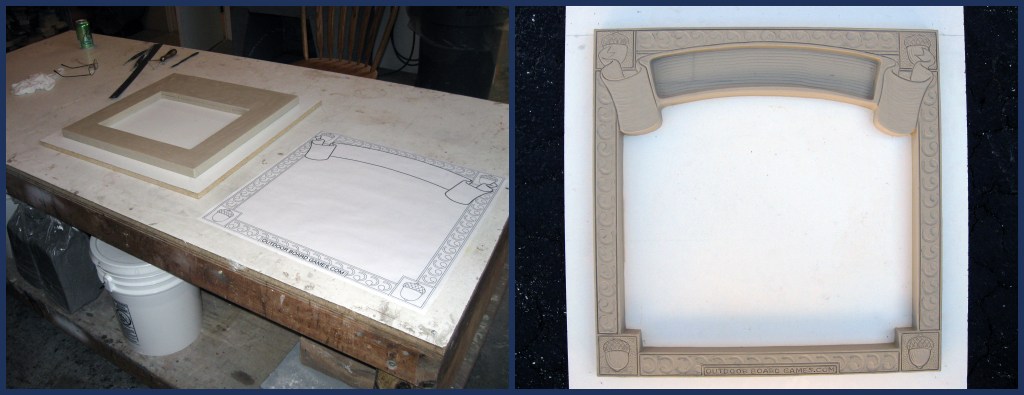
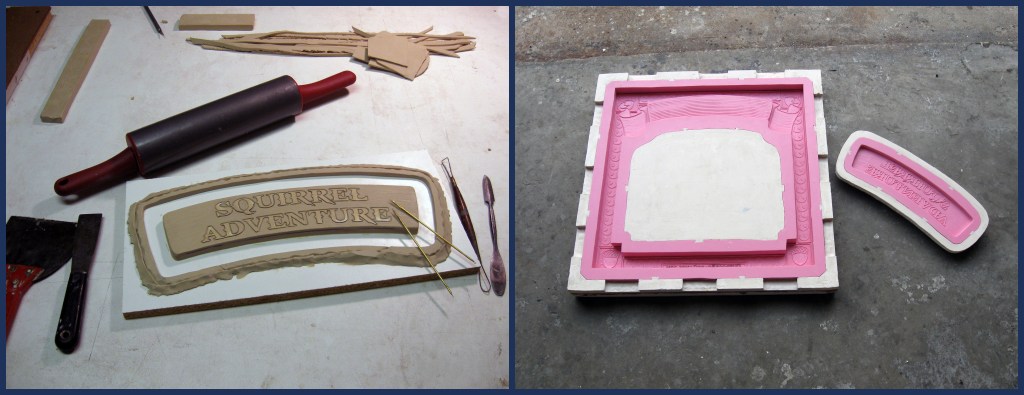
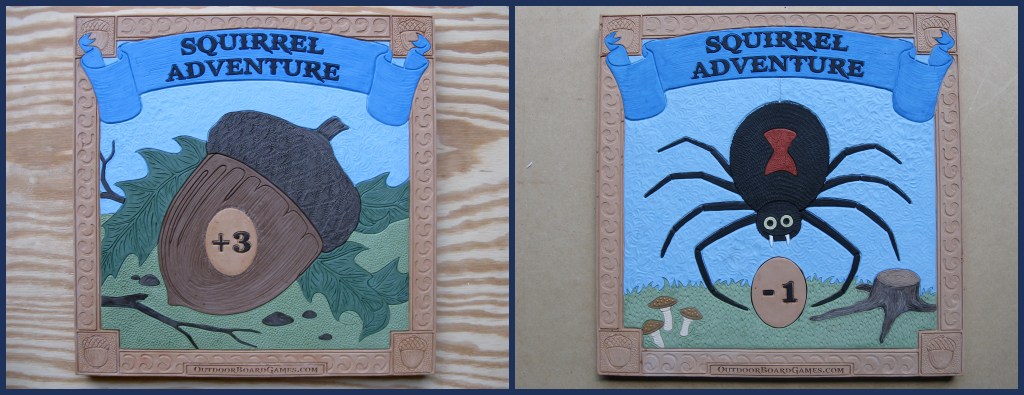
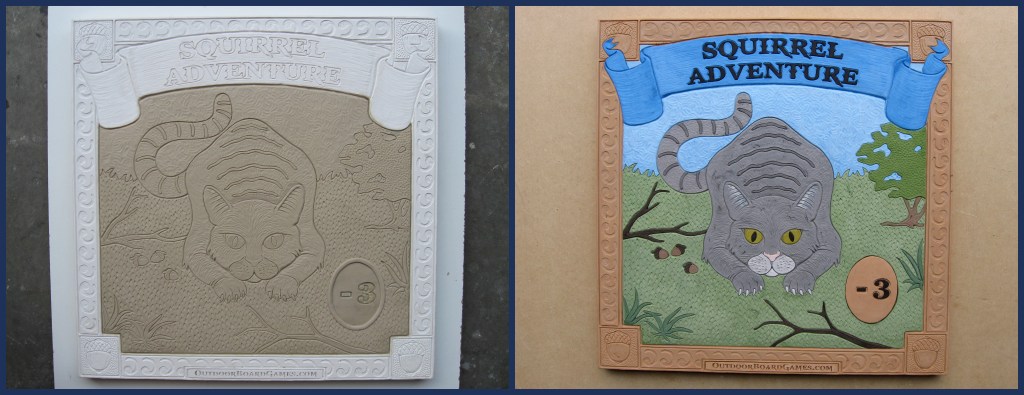
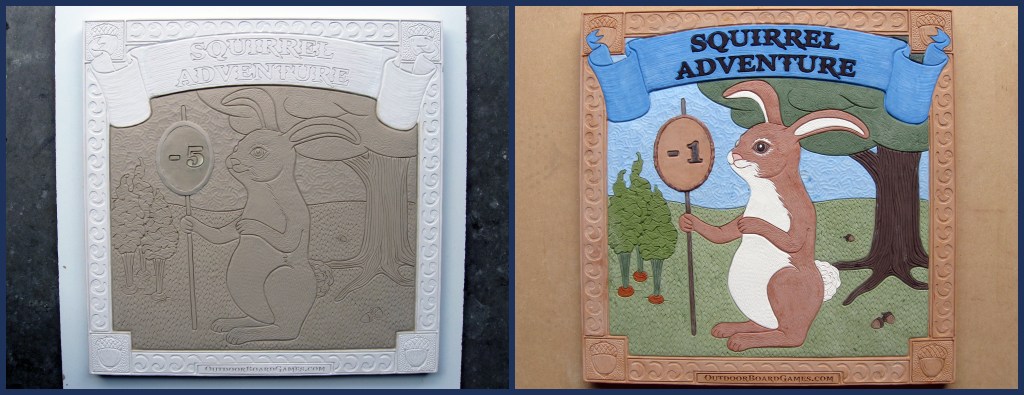
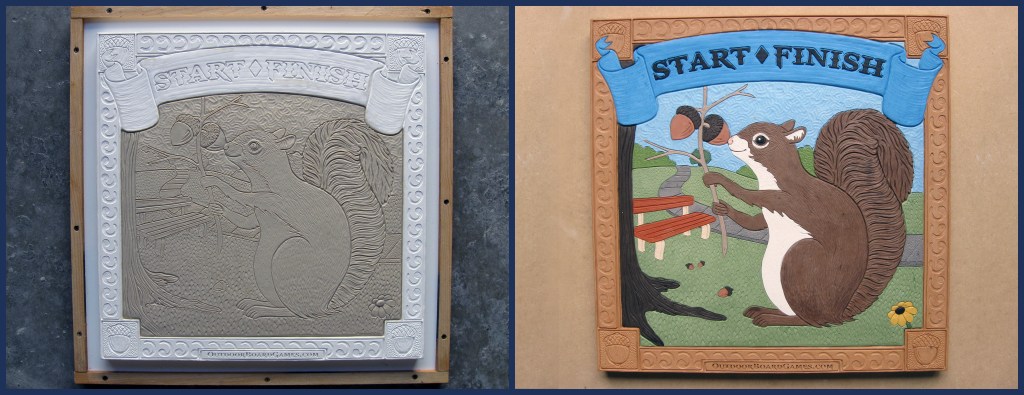
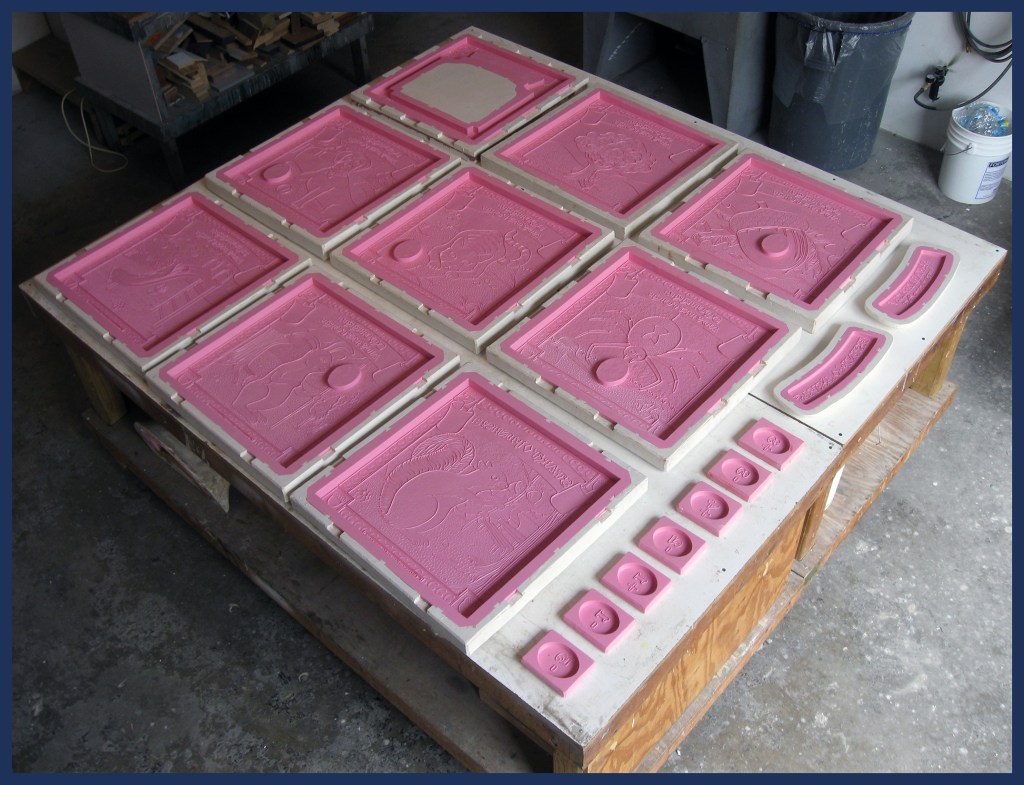
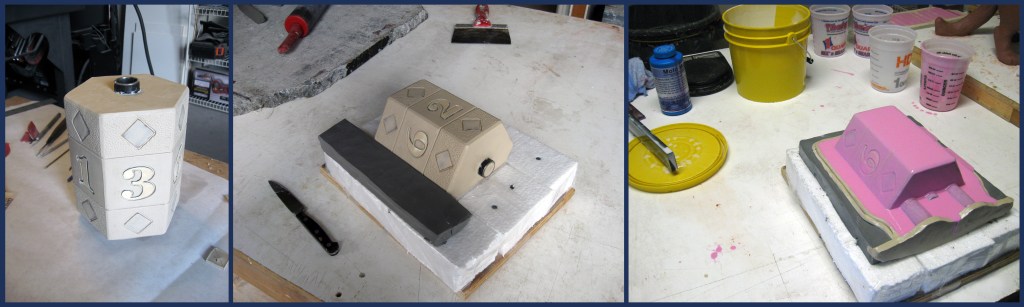
Moore Art Expressions was contracted to design and produce a custom playground game for Outdoor Board Games, LLC, of Tampa, FL. This project was technically challenging, but it was also quite rewarding to bring the prototype into reality.
Game Tiles





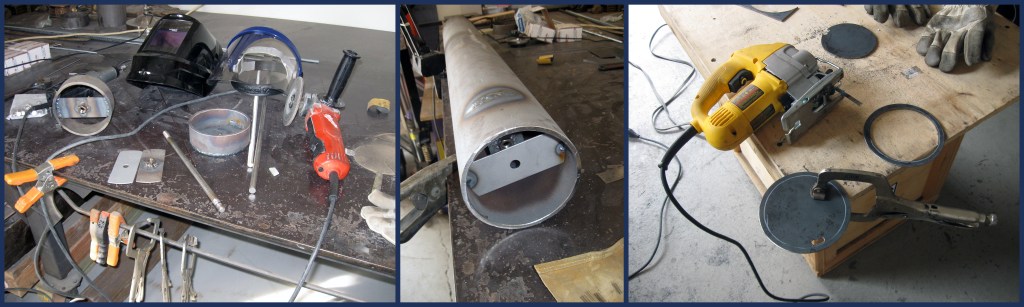
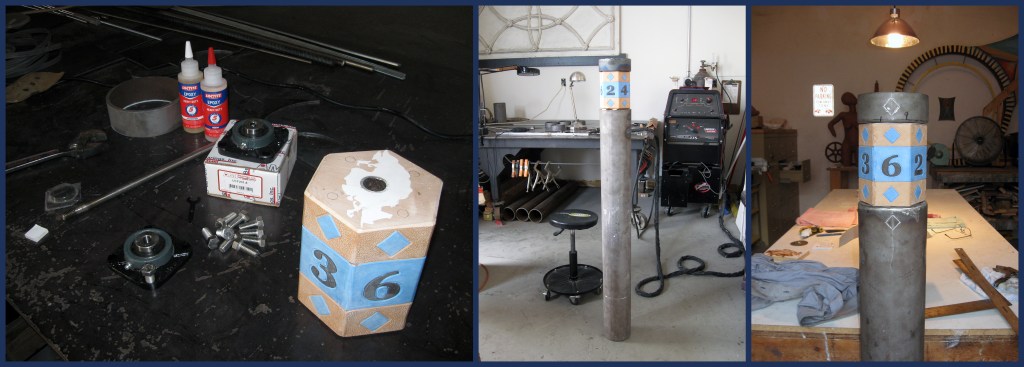
Spinner Post
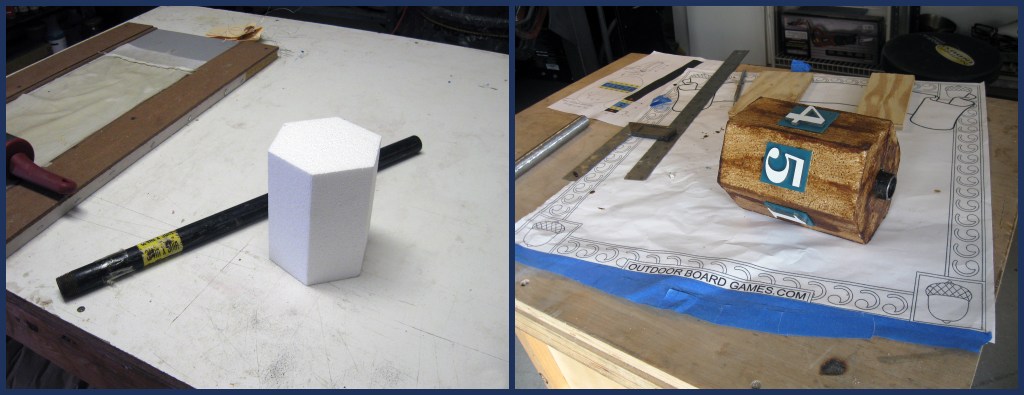
Each game board called for two spinner posts located at the halfway points of the sidewalk circle. As simple as these posts may appear, they were the most technically challenging aspect of the project. For this reason, I’ll refrain from providing detailed explanations on each of the photographic storyboard frames below. Beyond the evident design and fabrication details shown in the photos, I will add that the most difficult issue I had to contend with was the calibration of the numbered spinner element within the post itself. The spinner needed to rotate smoothly enough to be solely reliant on the force of the spin so the children couldn’t cheat but also slow quickly enough so they wouldn’t get bored and stop it with their hand preemptively. I also needed to be conscious about potential pinch-points so a child’s small fingers wouldn’t be injured during the game.




Outdoor Board Game Installed
Architectural Elements
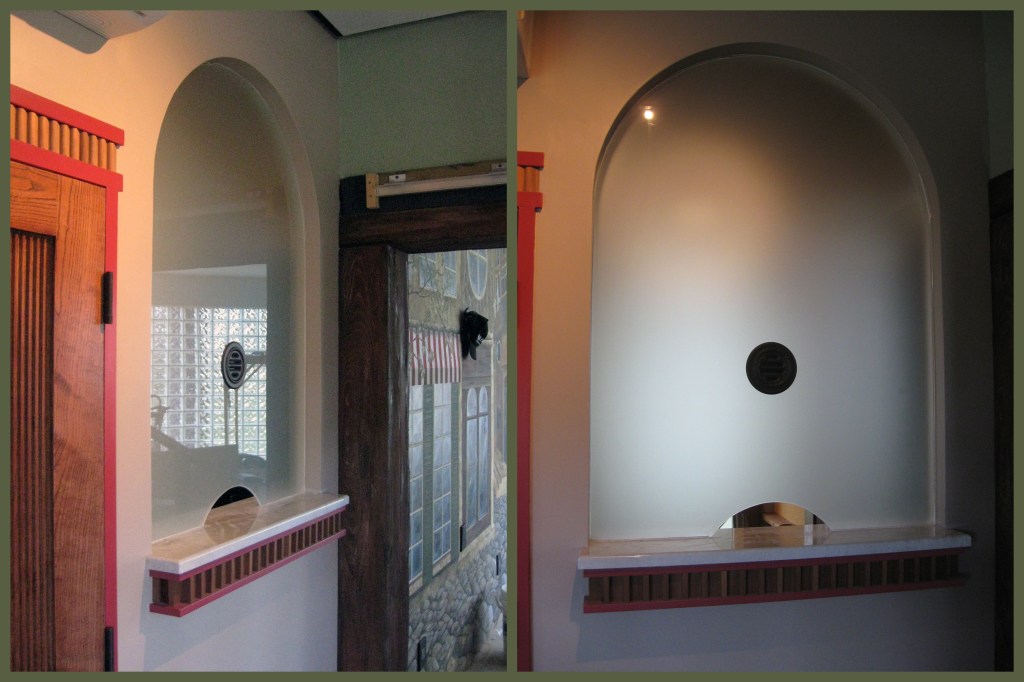
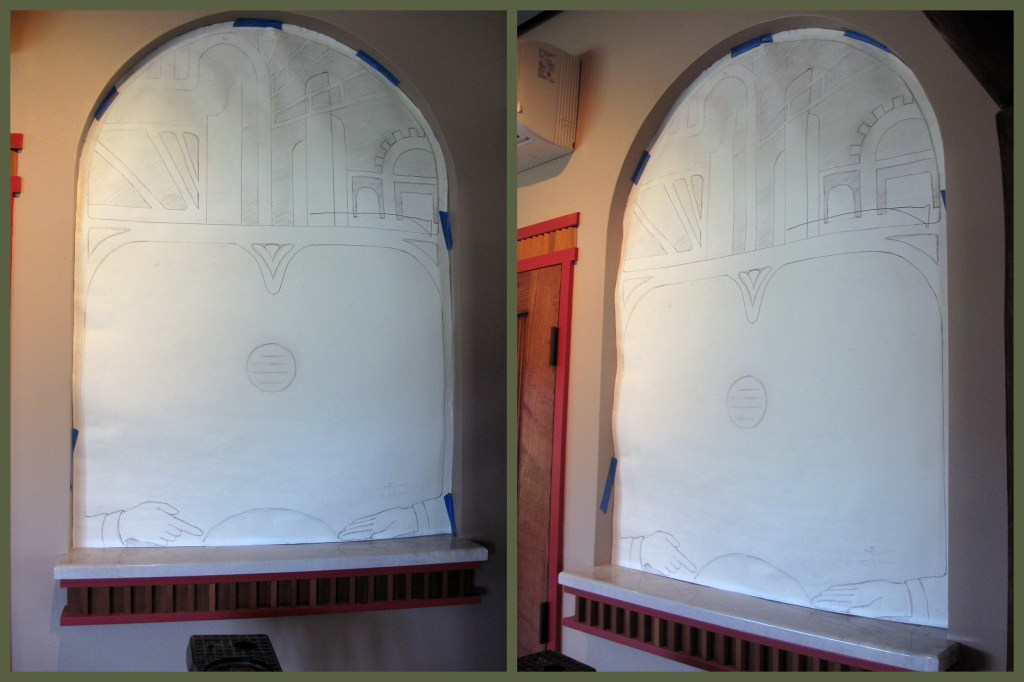
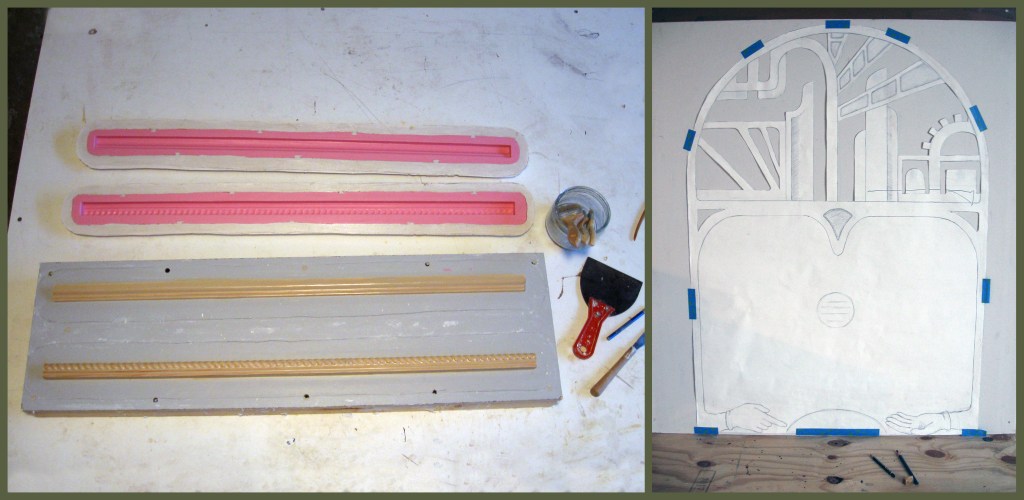
Custom “Ticket Window” Design
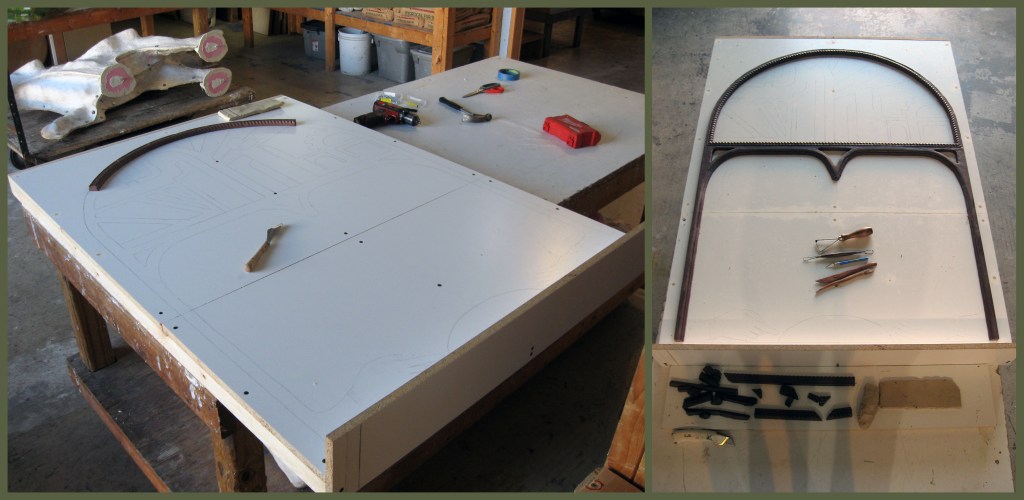
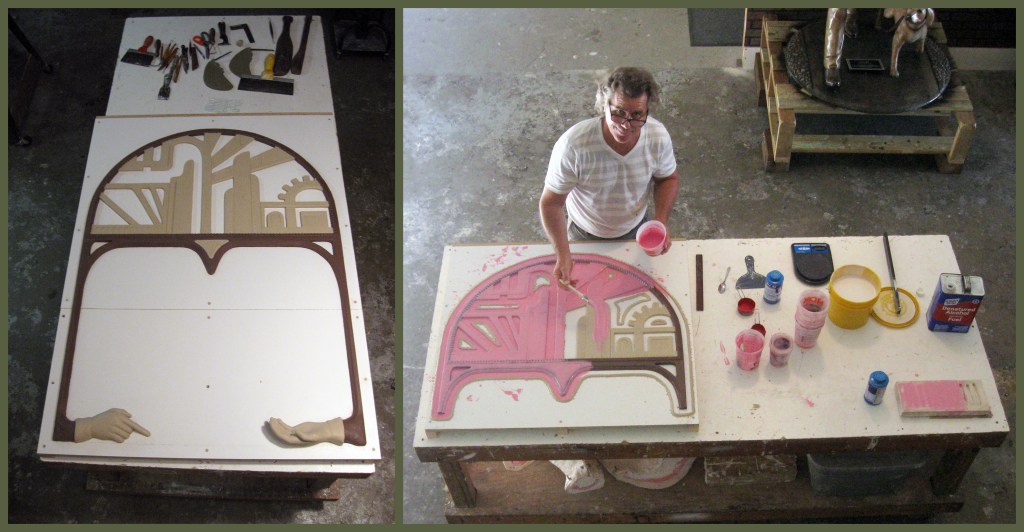
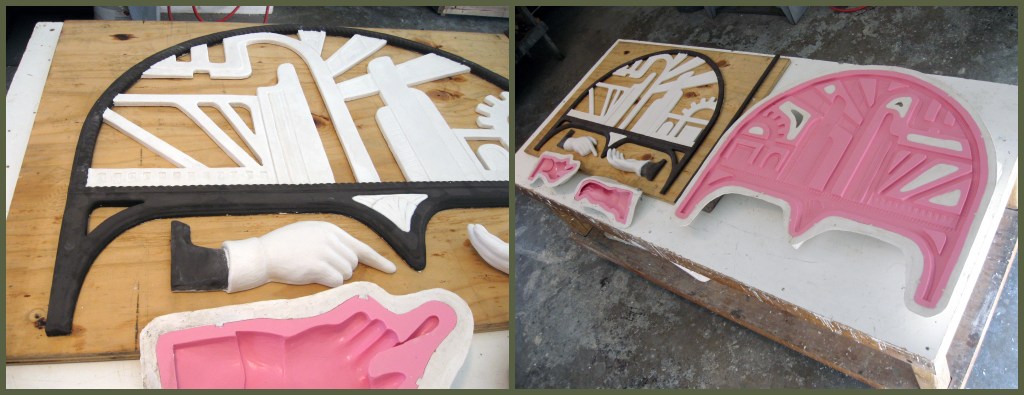
An eccentric client who was building a very unique home in Venice, FL, came to Moore Art Expressions asking for help finishing his “Ticket Window”. His home featured quite an interesting mix of contemporary and classical design elements, and he was clear about his ideas. This window was already installed but he wanted to add design elements to frame it with an old-timey movie house (art-deco) appeal. I always enjoy it when a client can describe what it is that they’re looking for so I can quickly zero in on a design that they’ll likely approve. I’ll let the photos tell the story on this project just as I did on the spinner post pictured above.



Superheroes on Parade
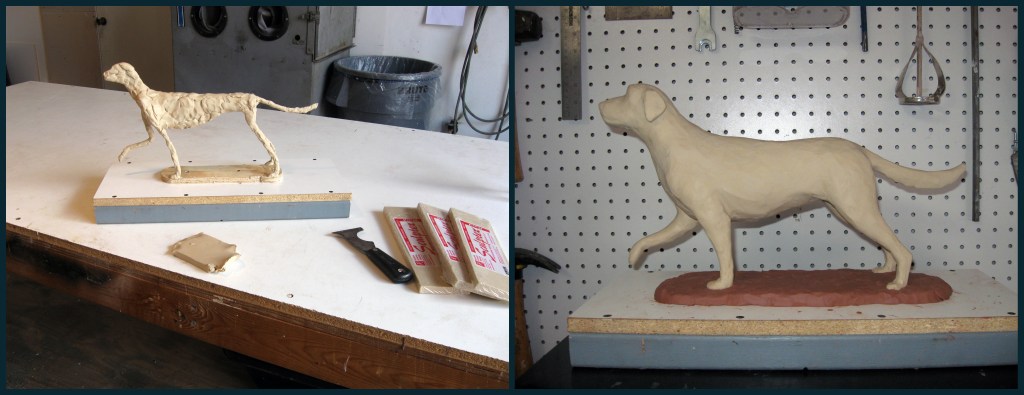
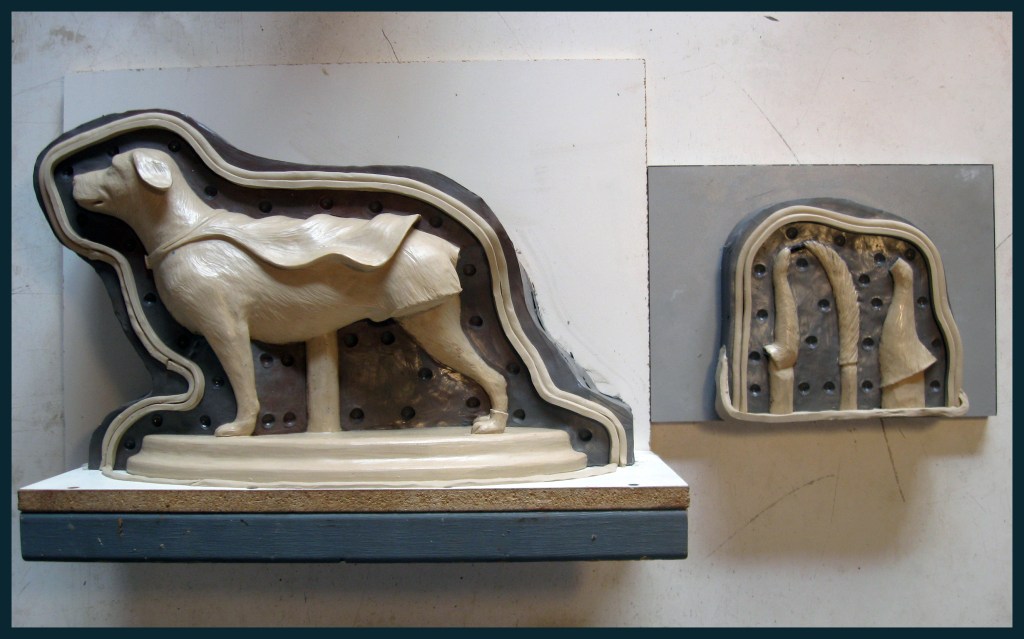
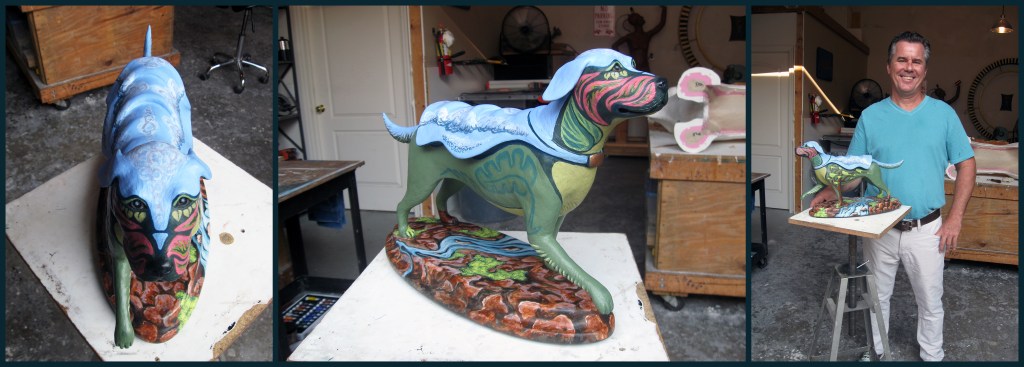
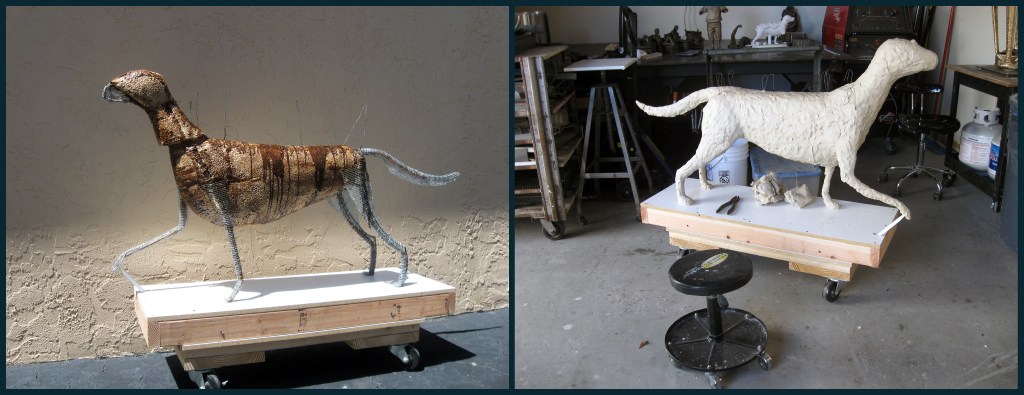
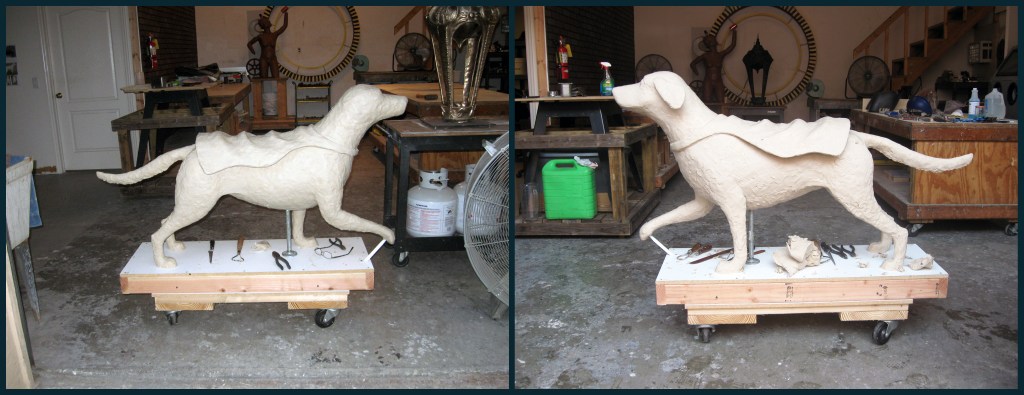
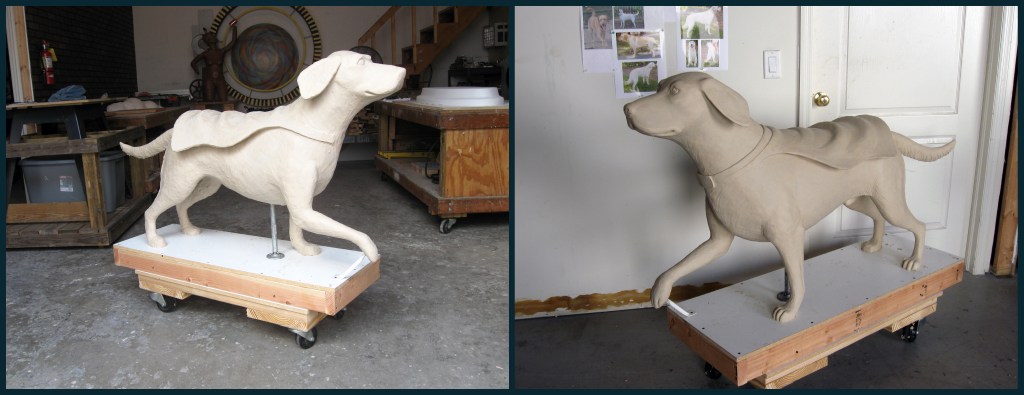
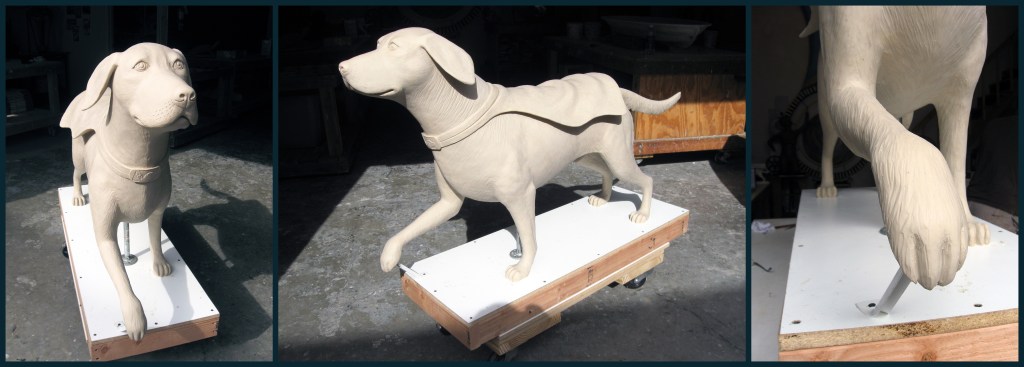
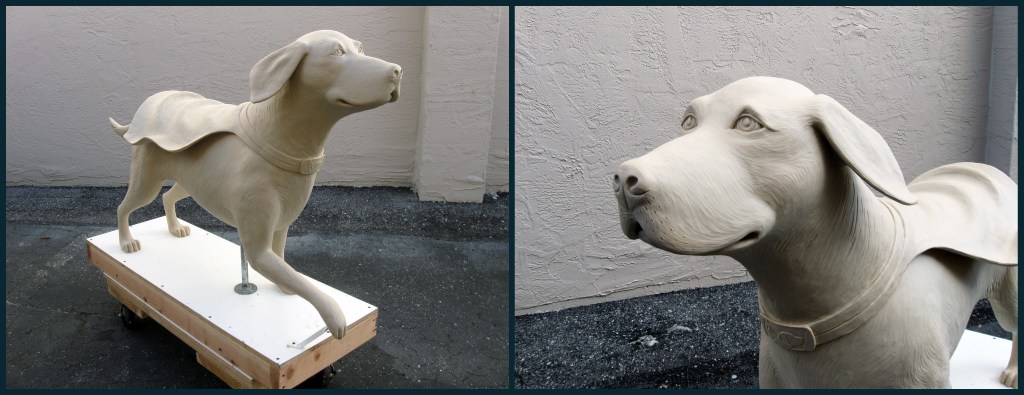
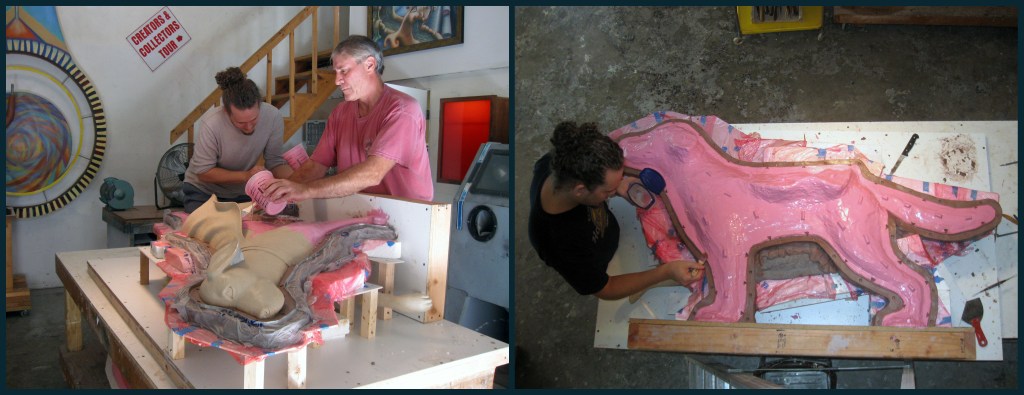
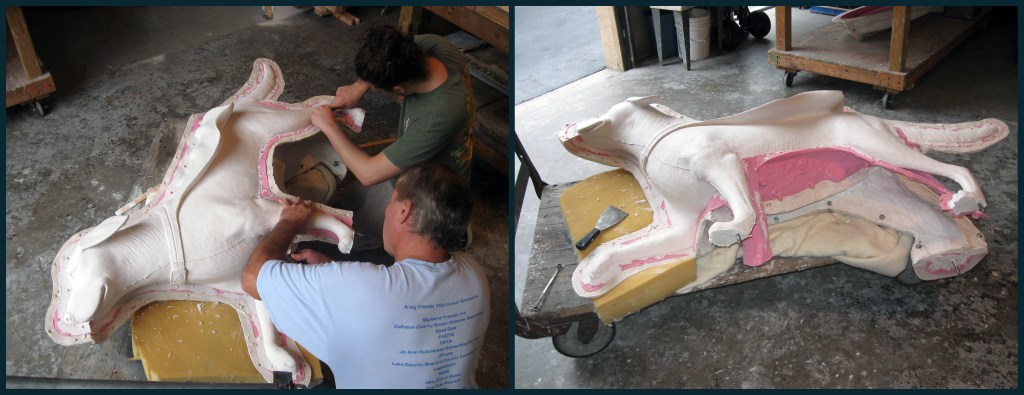
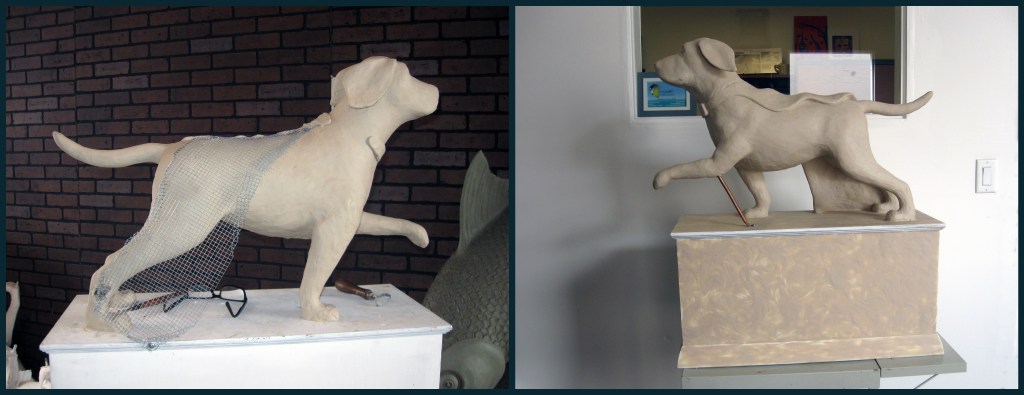
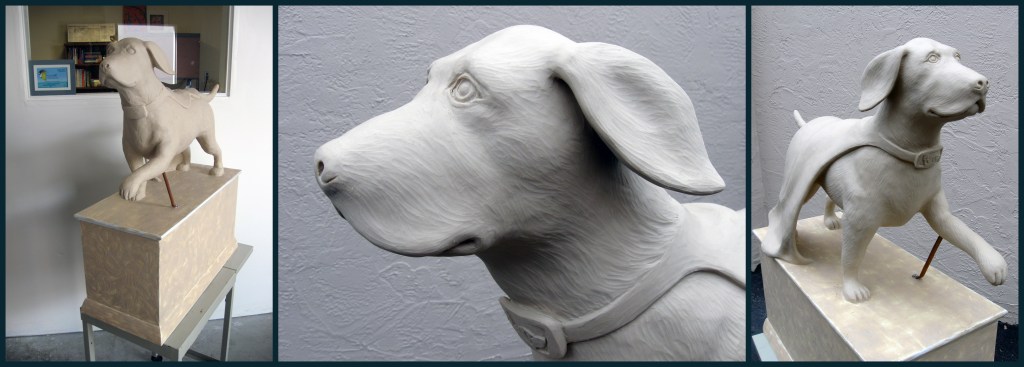
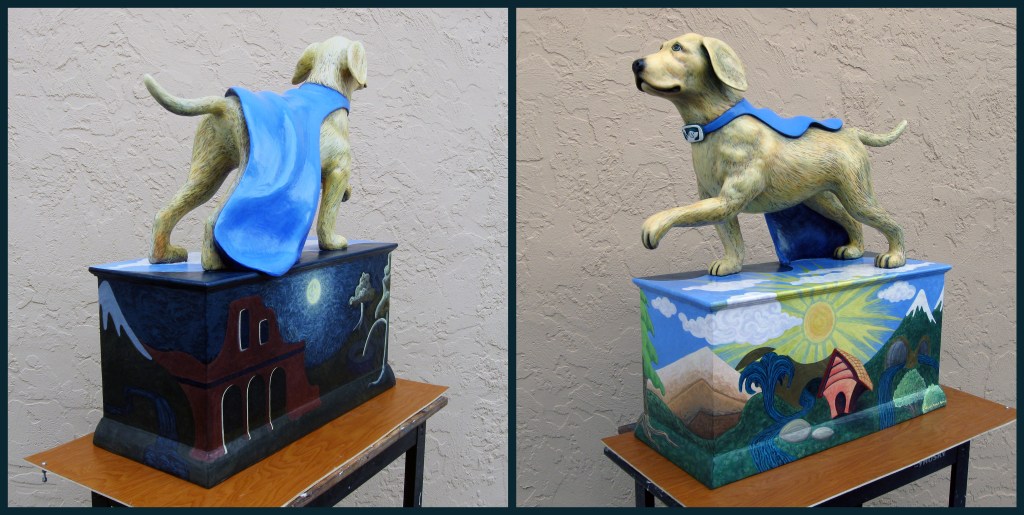
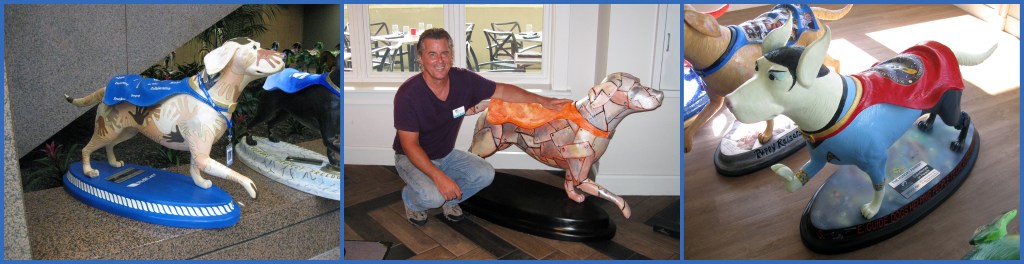
Southeastern Guide Dogs (now Dogs Inc.), commissioned Moore Art Expressions to create a life size Yellow Labrador with a cape for multiple fund-raising campaigns over the course of three years. The following photographs represent a limited overview of the Superhero project and some of the ancillary creative projects associated with it.
The Proposal Maquette


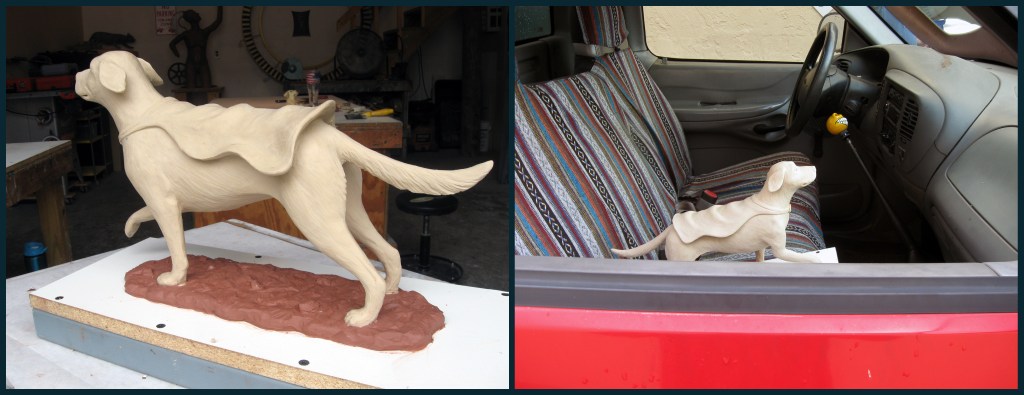
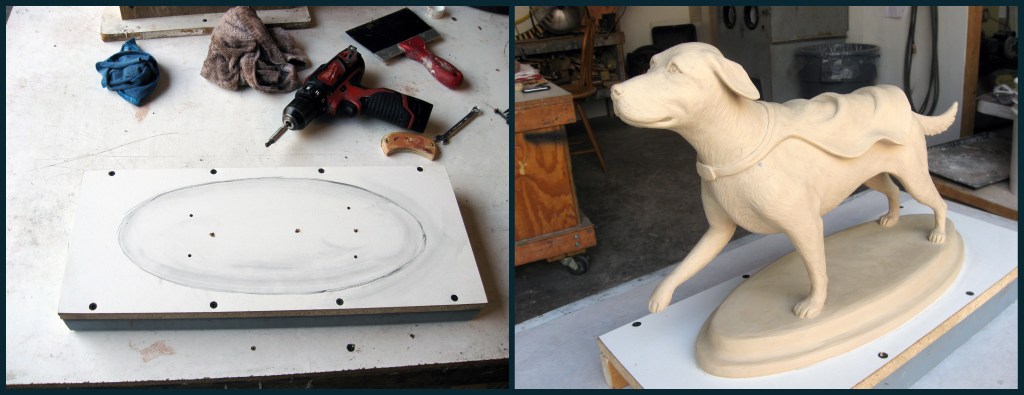
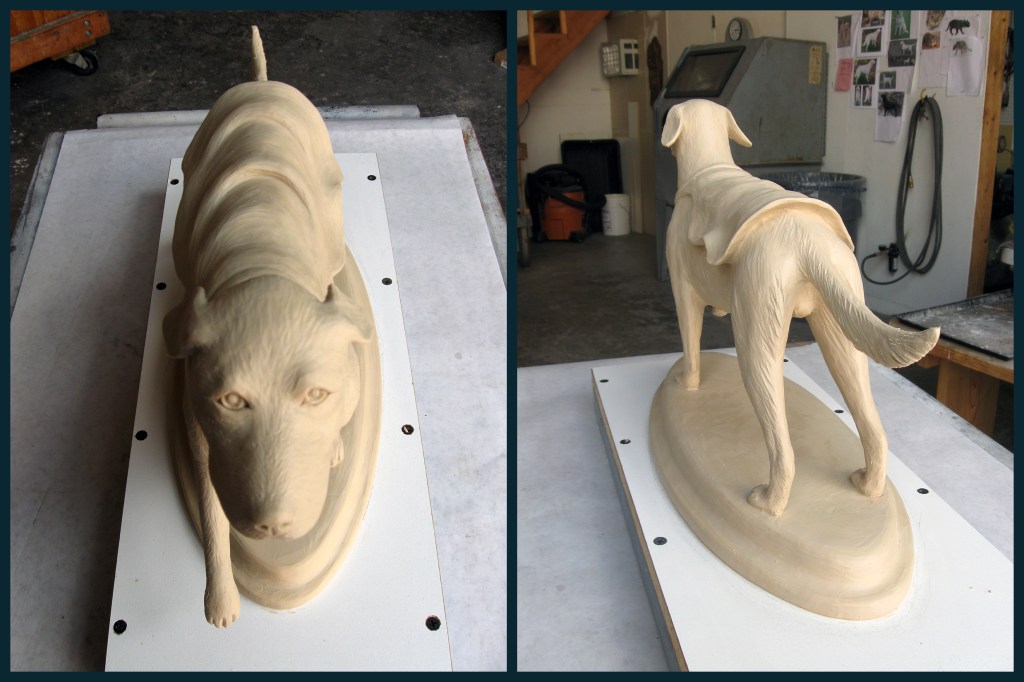




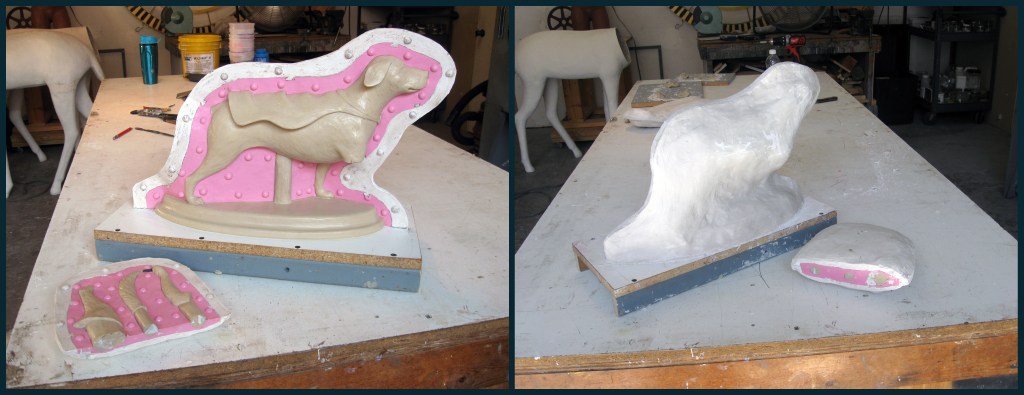

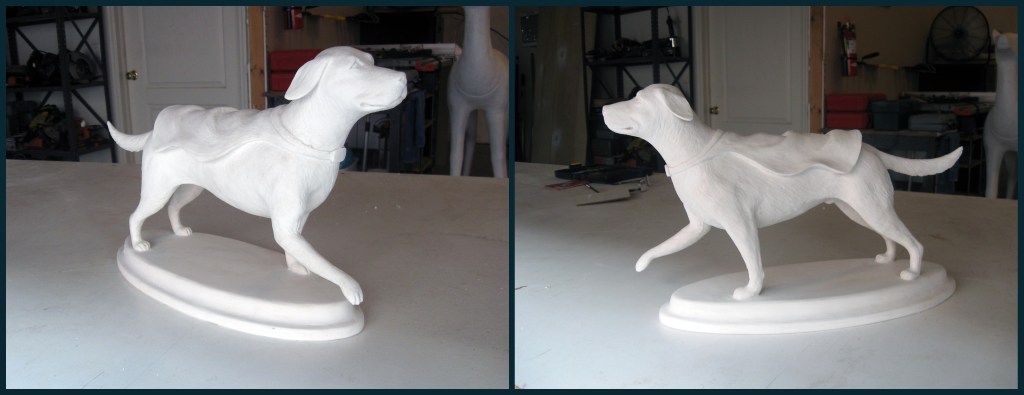
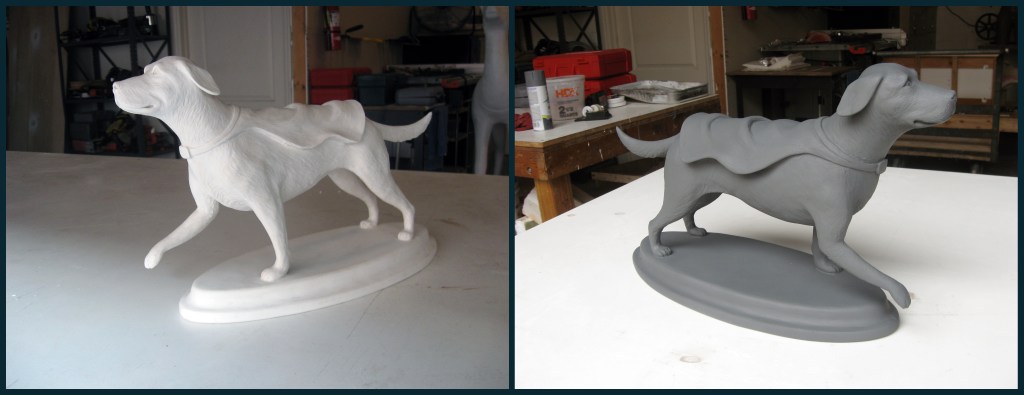
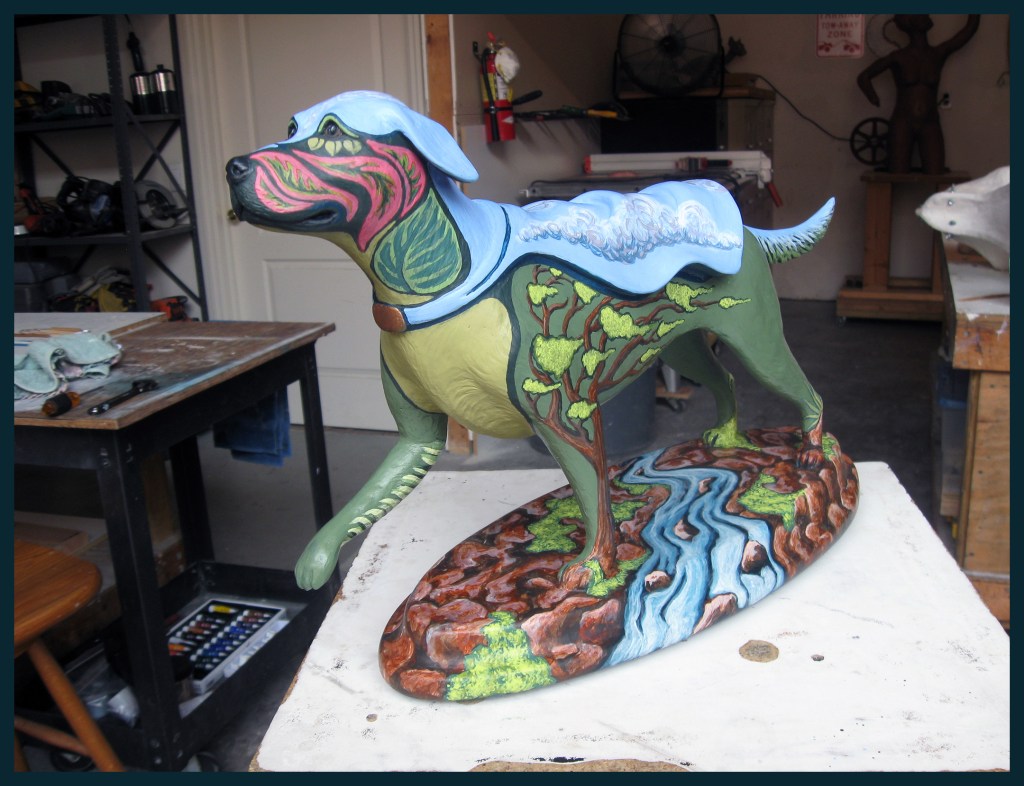
Life Size Superhero Clay Original

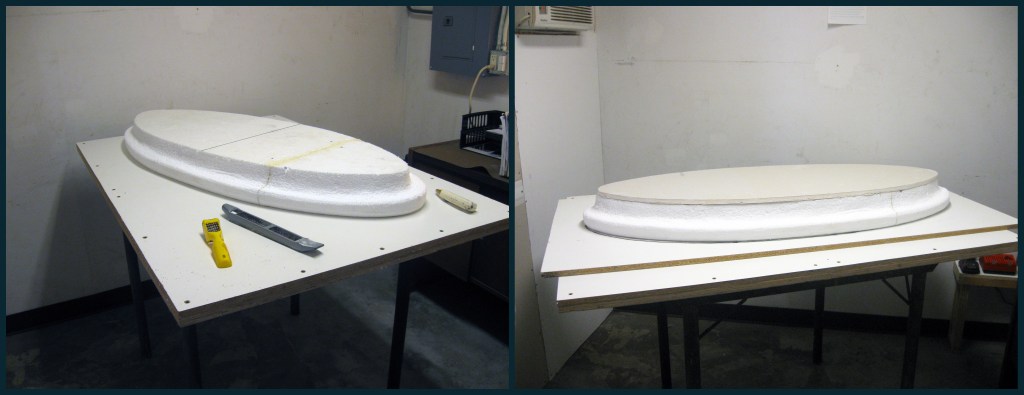

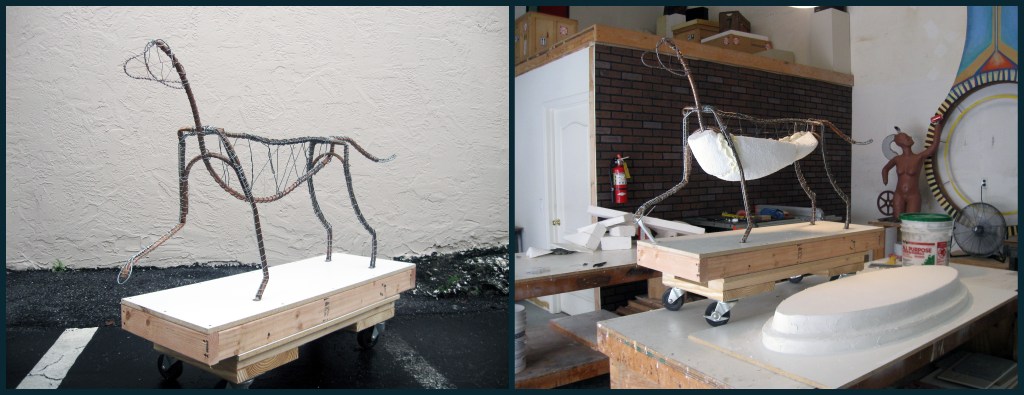
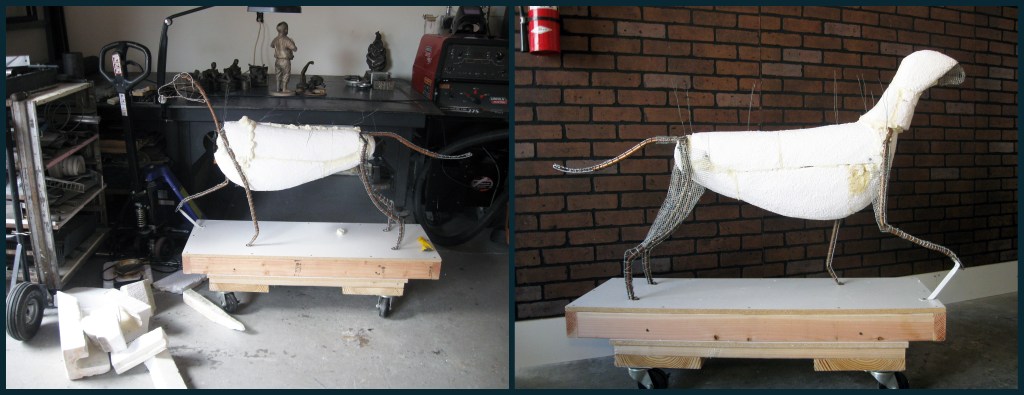


Mold Making Process


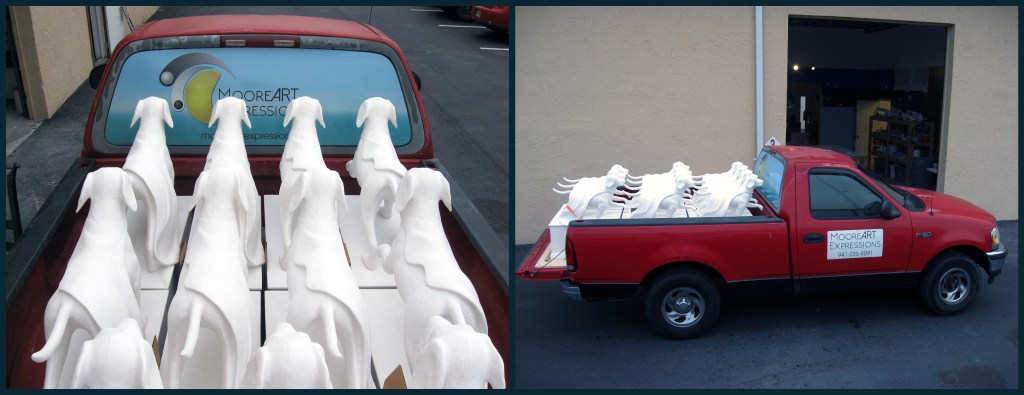
Casting Process
Limited Edition of 121 castings

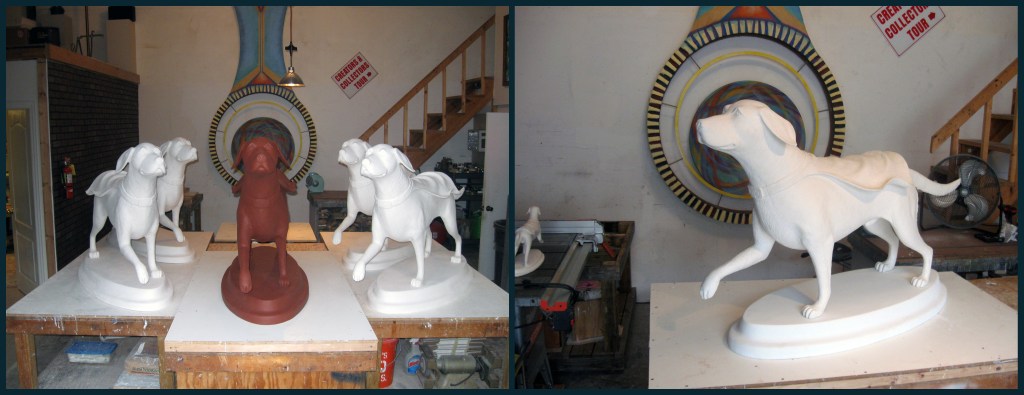

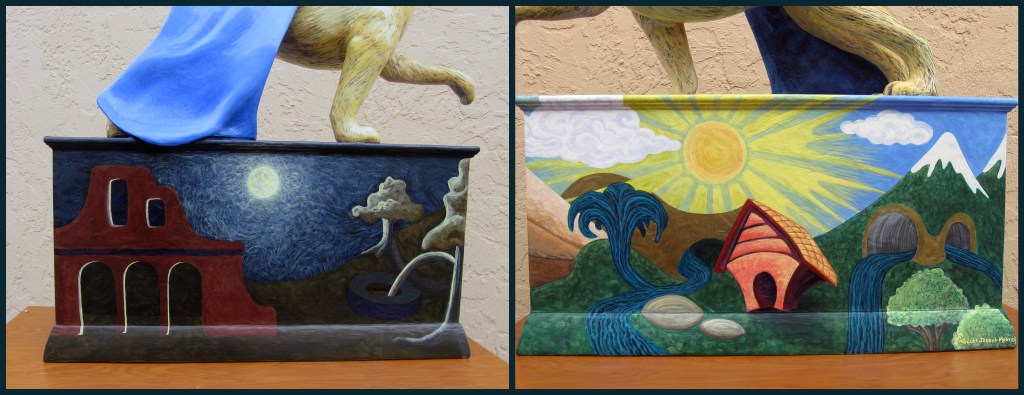
Two Scott Joseph Moore Custom Paint Designs
Triumph – Darkness to Light


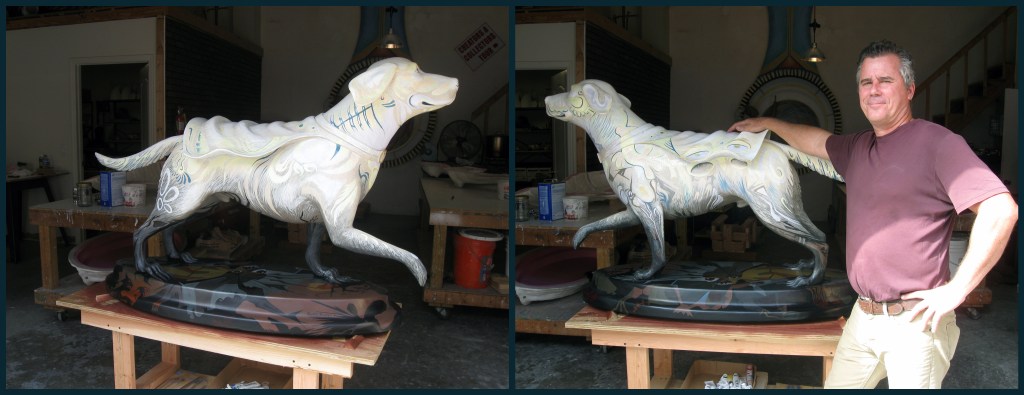
“Buyer” – Painted for Patron of SGD


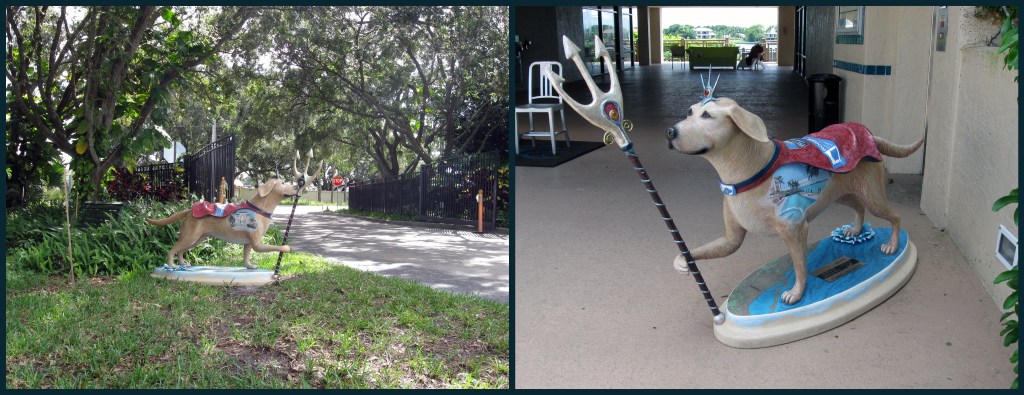
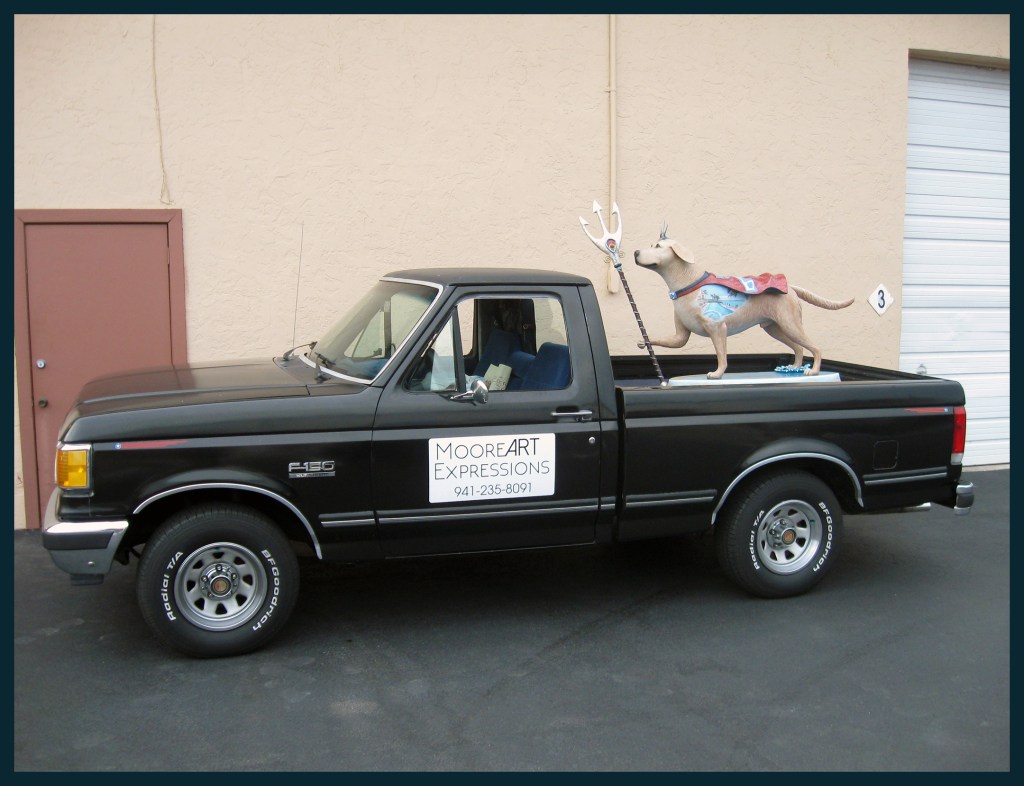
Superhero – Puppy Edition
Original Sculpture
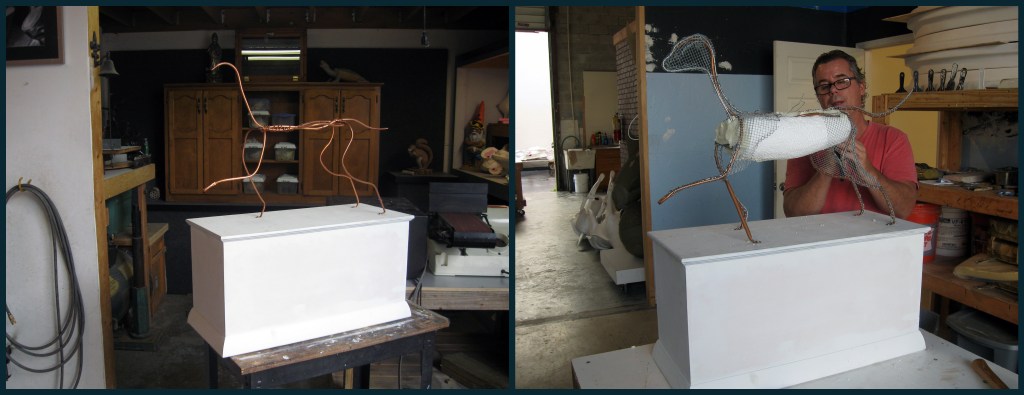

Forton Castings
Limited Edition of 55 castings

Scott Joseph Moore Custom Paint Design

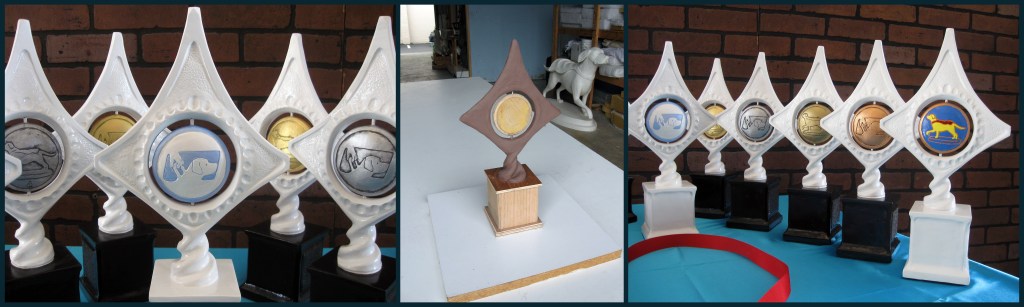
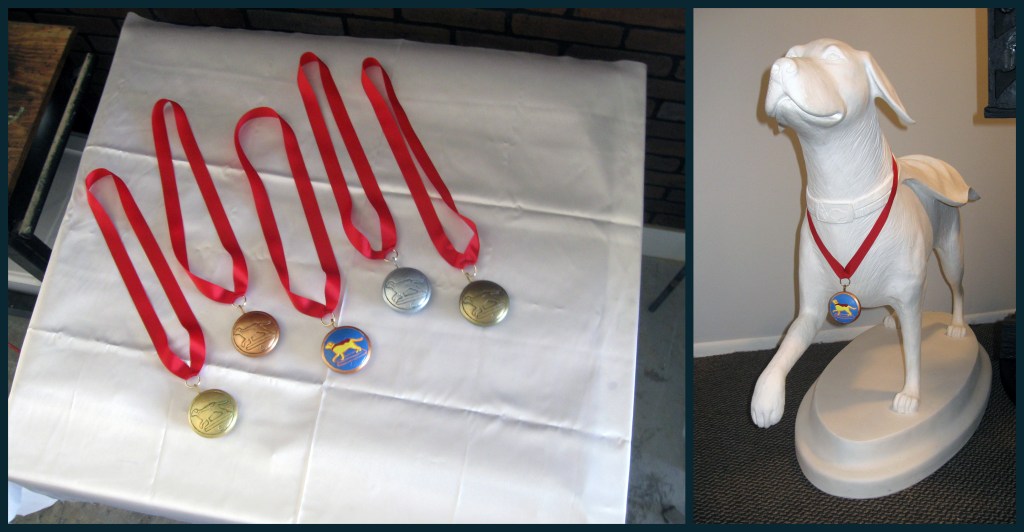
Awards and Accessories


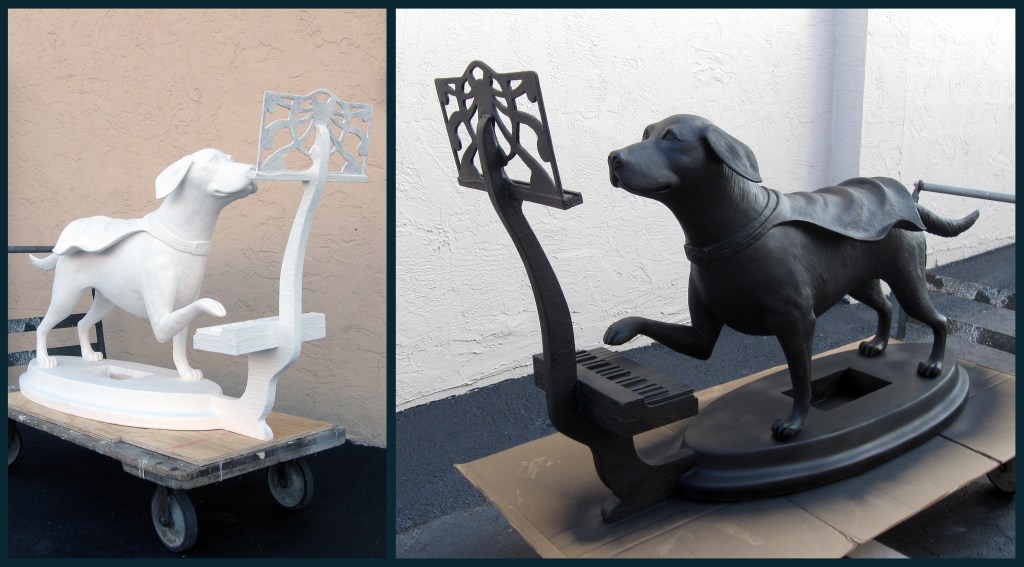
Alterations and Fabrication for Specific Design
These modifications to the original design were made for Lera Auerbach, a renowned Austrian – American classical composer, conductor and concert pianist.
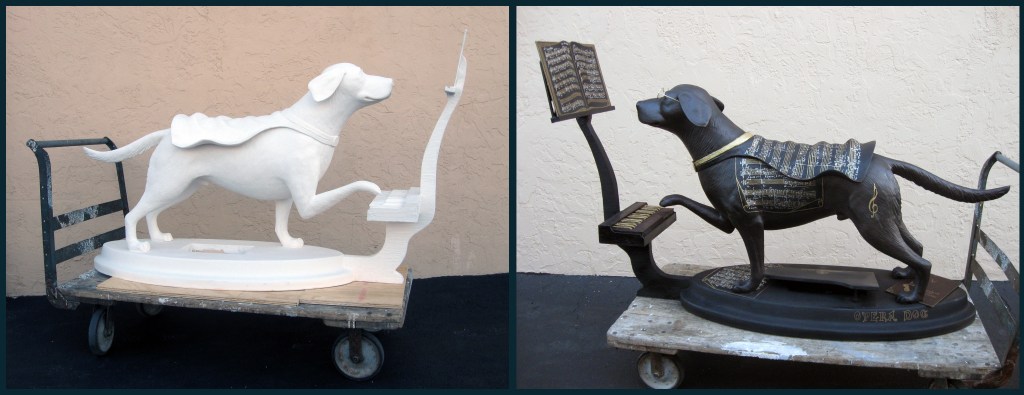
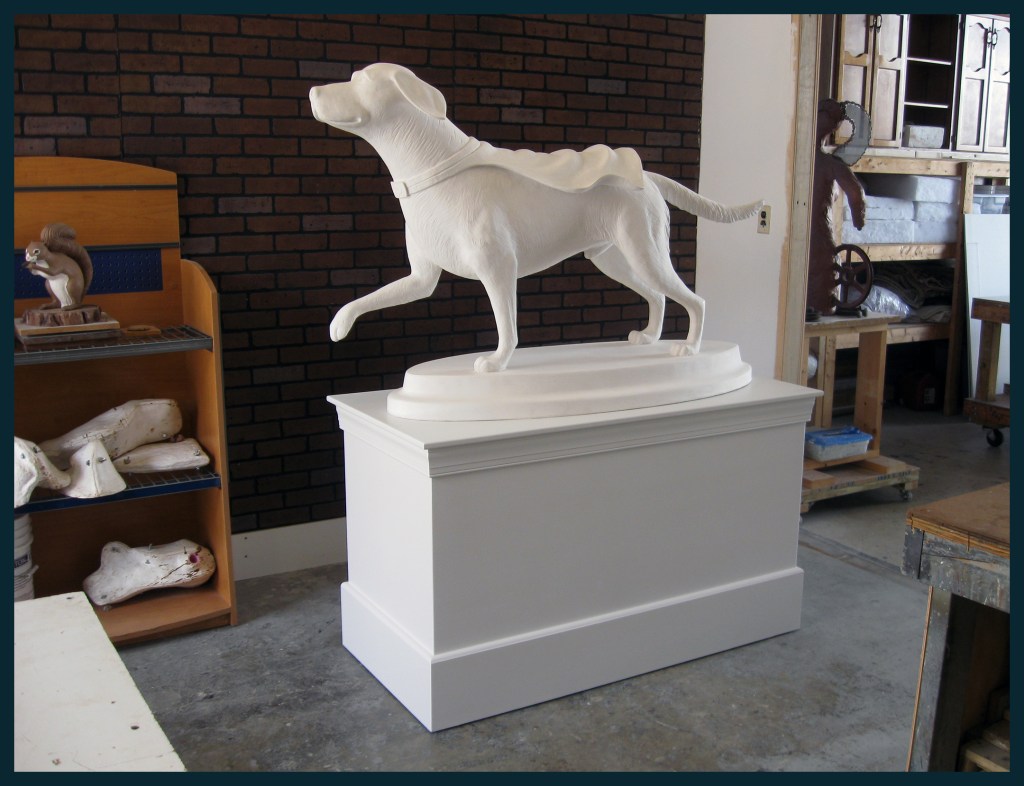
Custom Low-Riding (wheeled) Pedestal
Pedestal base fabricated with 3/4″ cabinet paneling and solid wood trim for patron of SGD. The base was designed and fabricated for a design sponsored by The Circus Arts Conservatory in Sarasota.
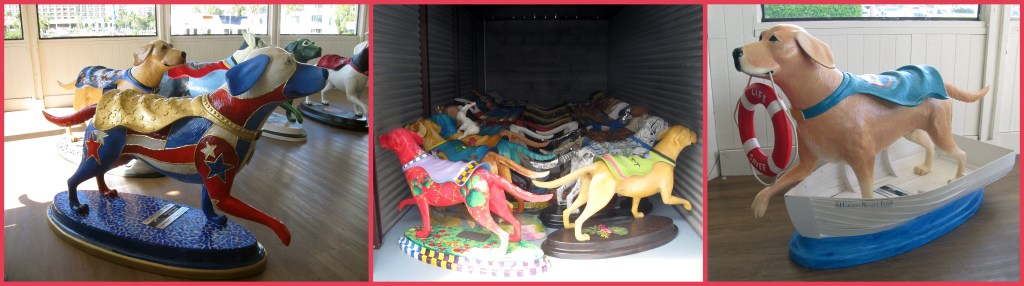
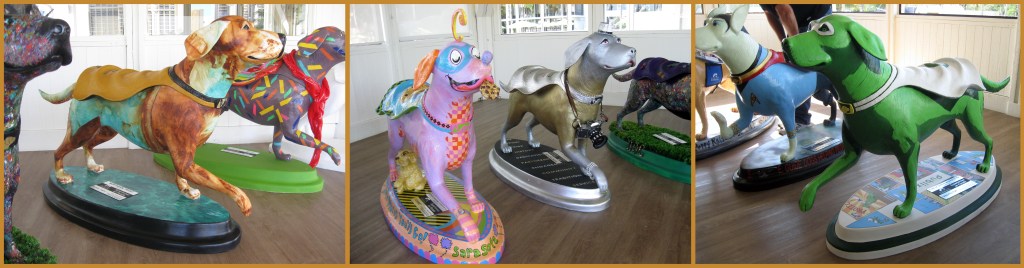
Moore Art Expressions cast a total of 121 life size Superheroes for 3 consecutive yearly fundraising campaigns to benefit Southeastern Guide Dogs in Palmetto, Florida. The sculptures were sponsored by local businesses from Tampa to Naples and each sculpture was assigned to a local artist who teamed up with the business, and they created the final product together. I would like to be able to credit each artist for their work but in all honesty, I would need to go back through our records to put names to each project. Here are a few of my favorites!
Large Scale Mold and Casting Project
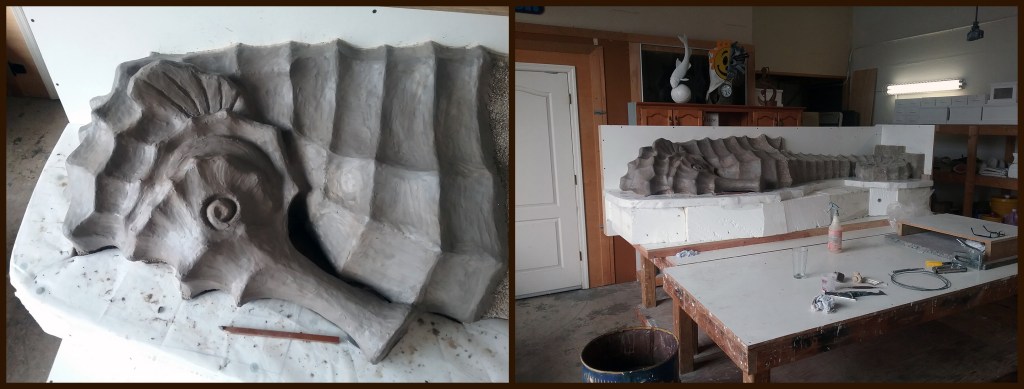
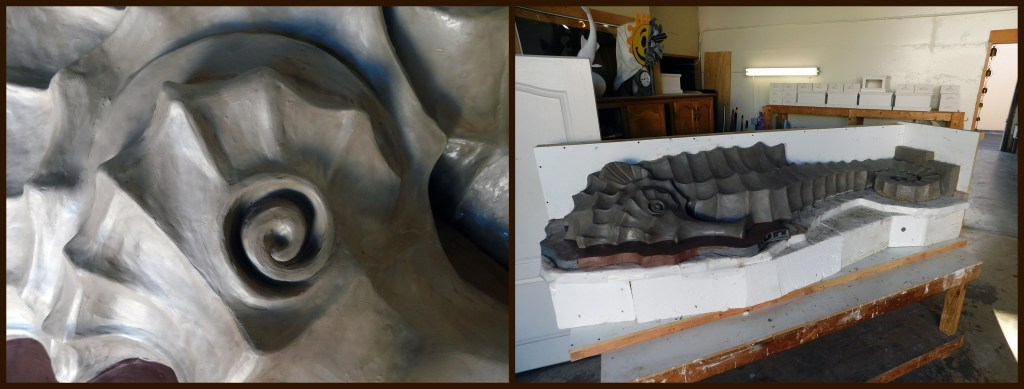
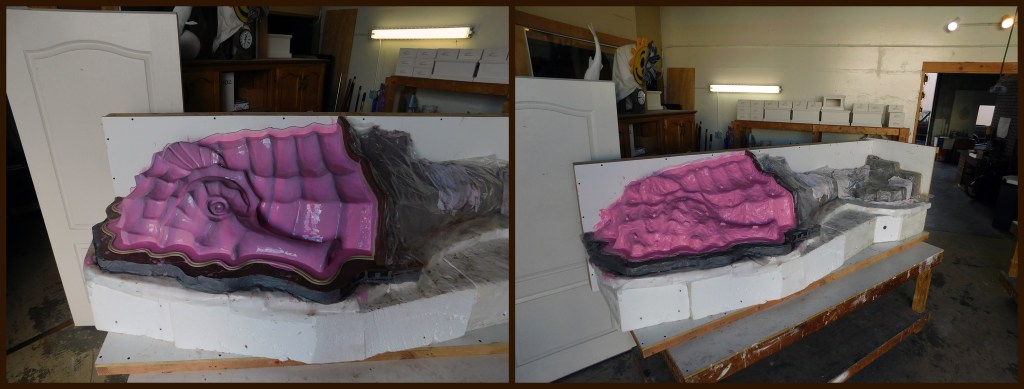
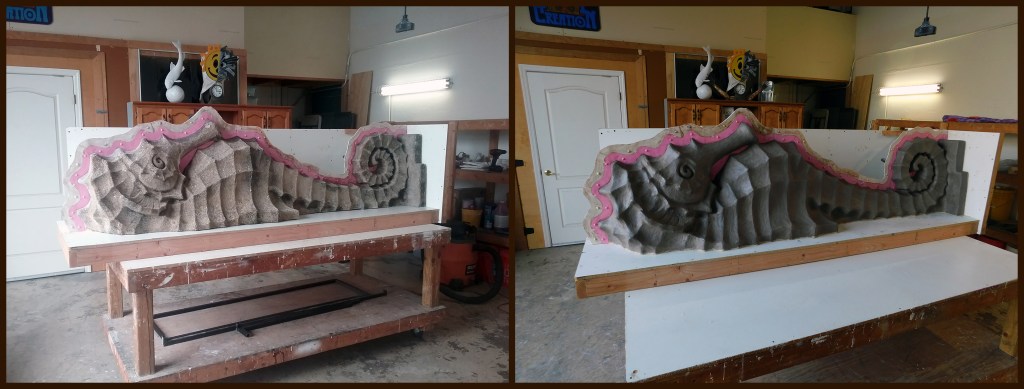
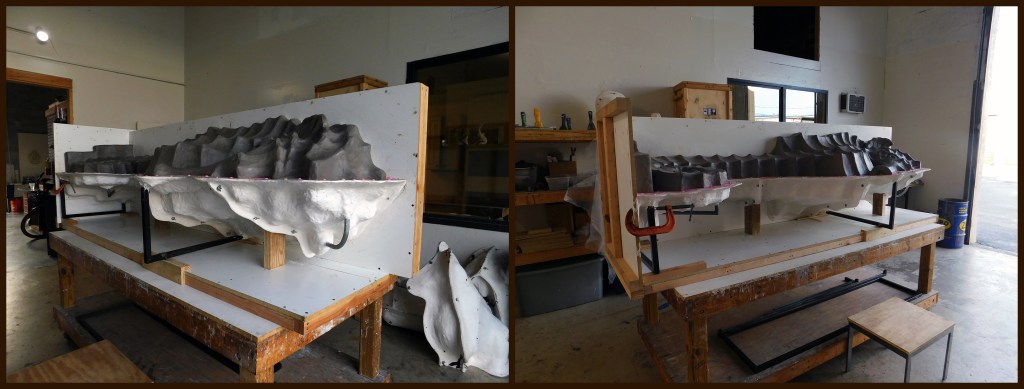
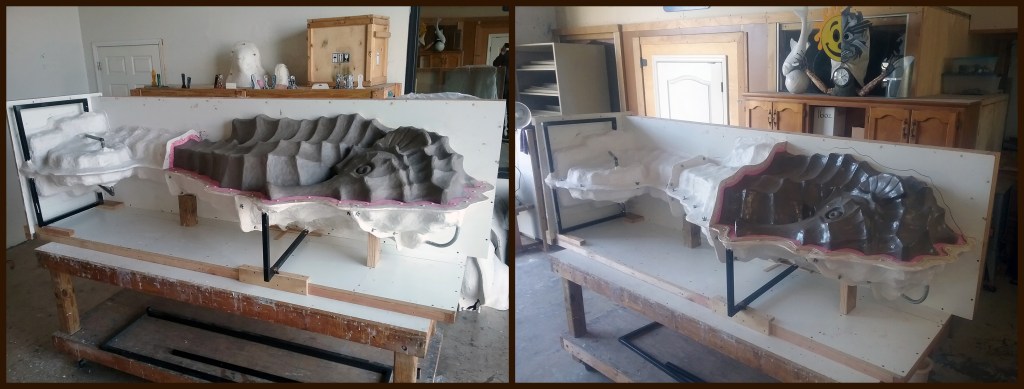
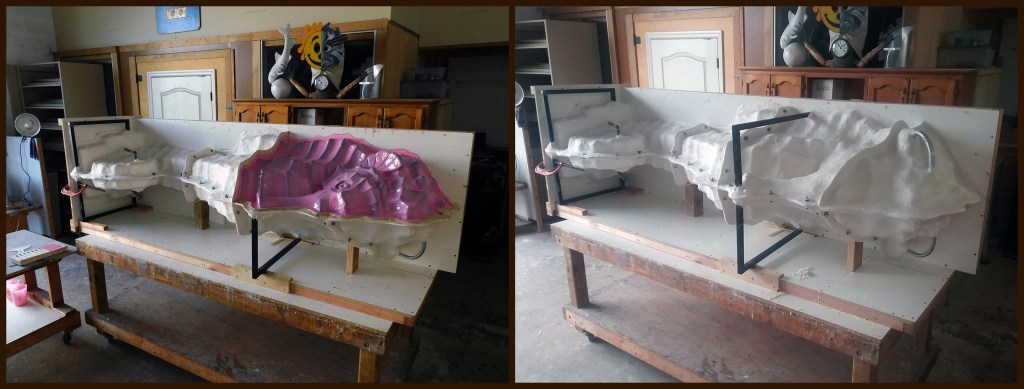
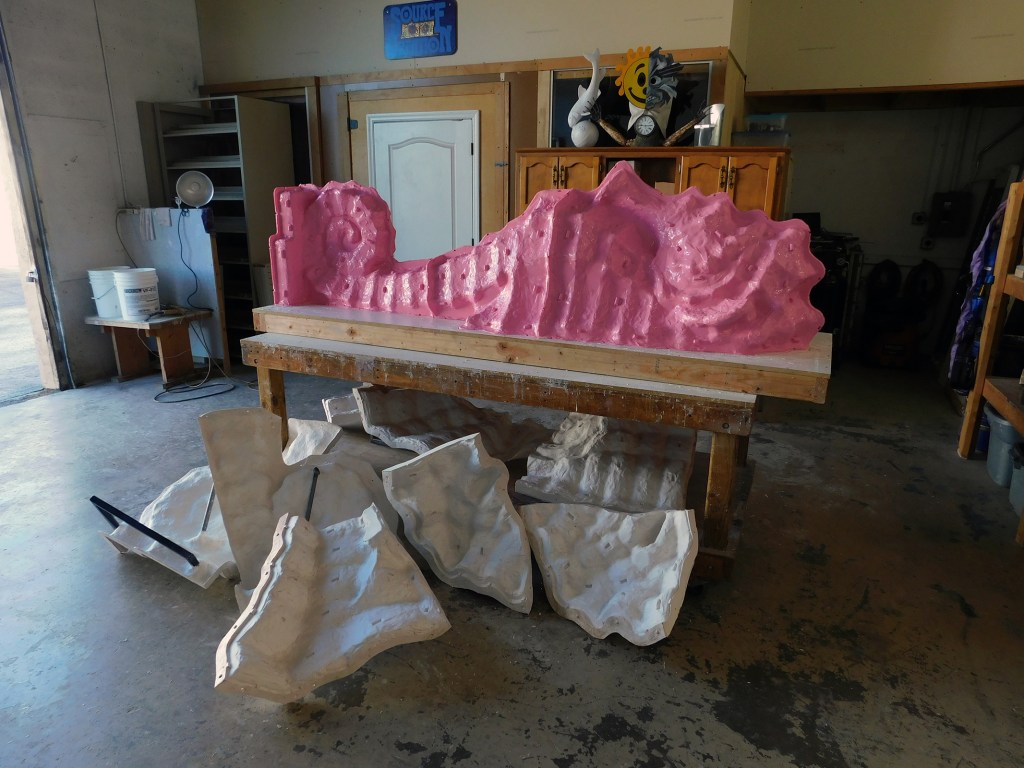
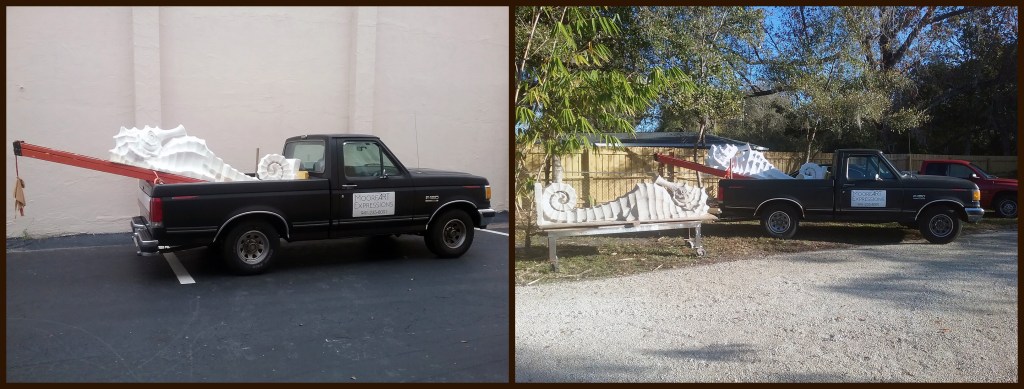
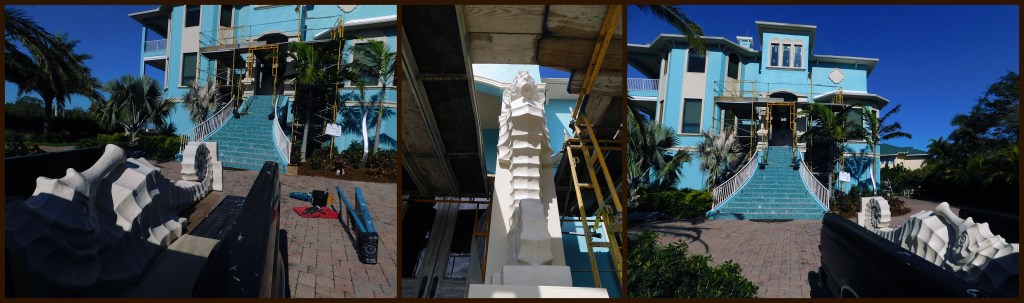
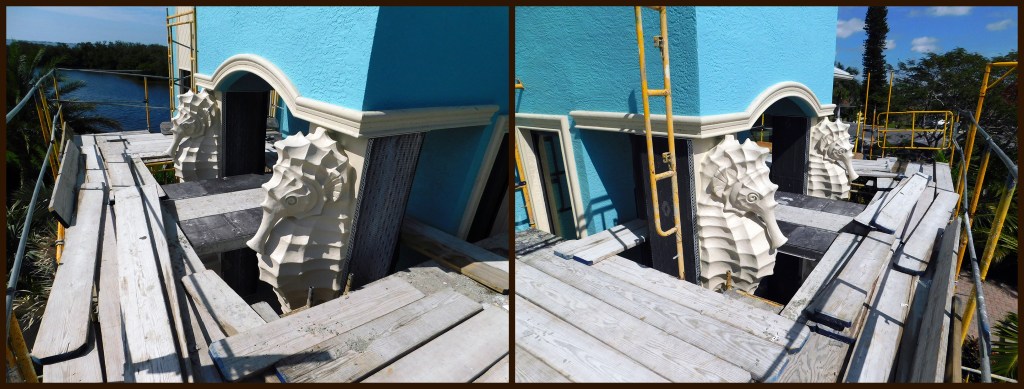
A long-term friend and business associate, Jon Dowd, hired me to create a mold and castings of an 8′ tall art deco “Seahorse.” This concrete piece was displayed for many years at the Quay shopping center in Sarasota and is believed to be from the 1950s, but we couldn’t find the original artist’s name and it wasn’t signed. The Quay was demolished in 2007, and a wealthy art enthusiast salvaged two seahorses. In 2017, Jon asked me to create the mold system, and together we installed the first two castings at a bayside home in Sarasota.





Scott Joseph Moore – Original Bronze Sculptures
“Return to Hope“
Unique Bronze Sculpture – One of a Kind
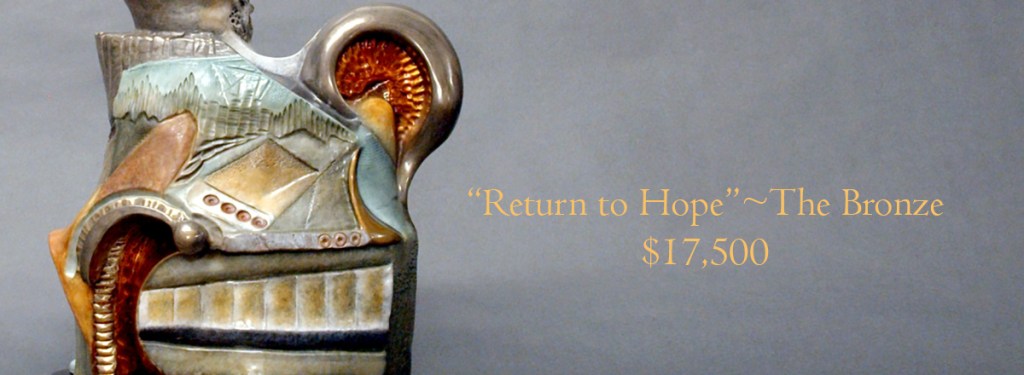
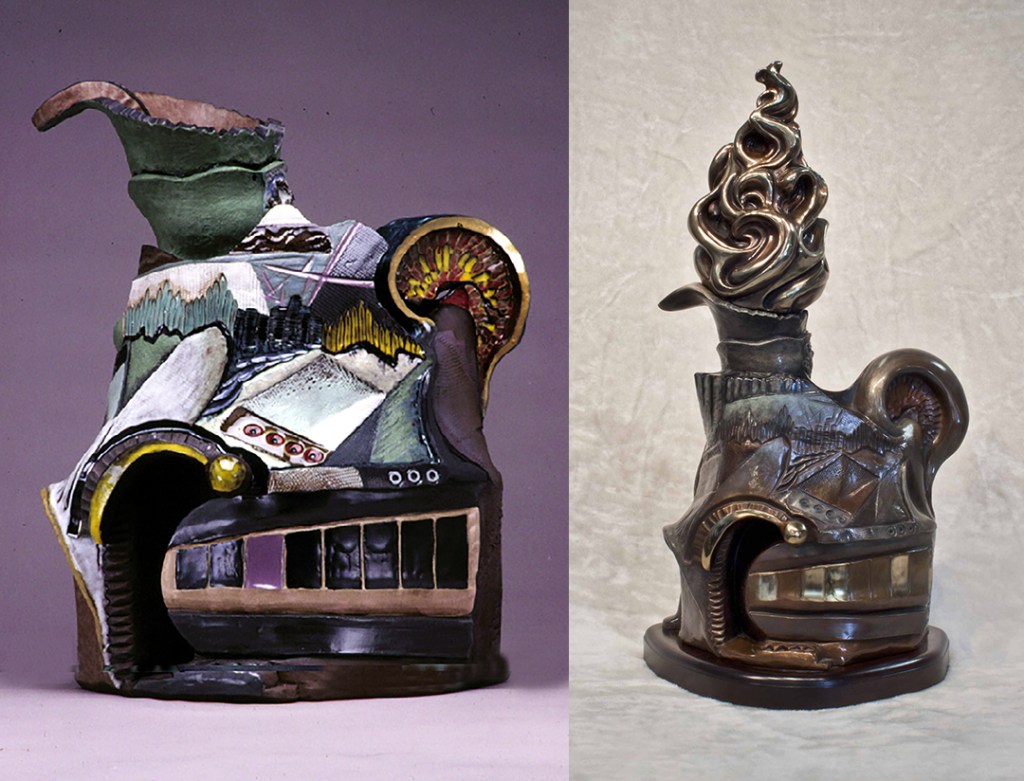
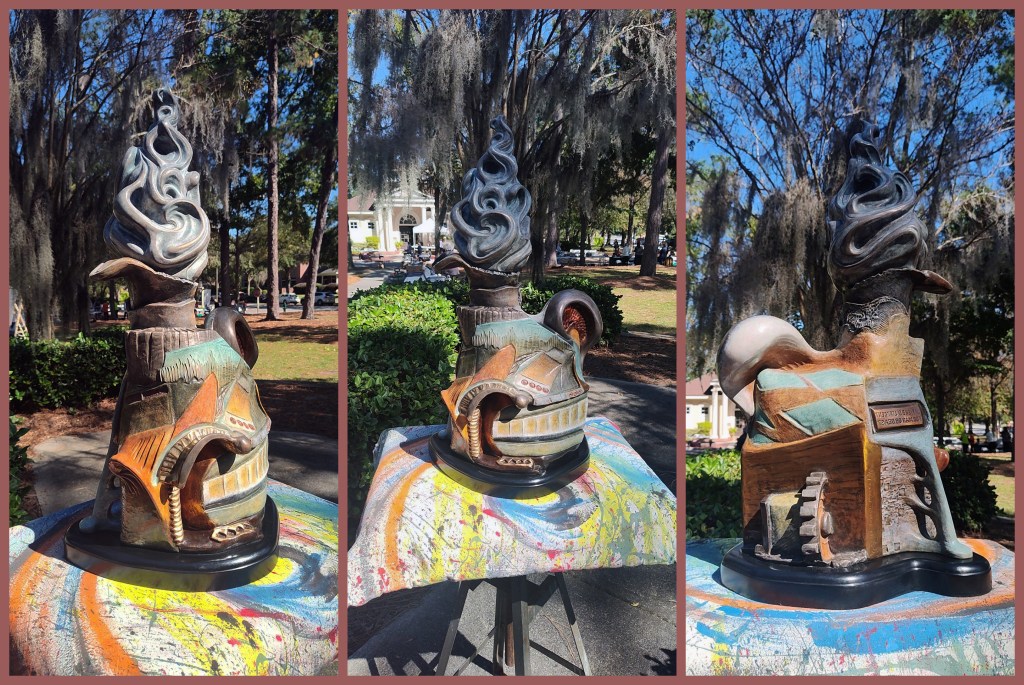
On the ever-growing list of art projects that I’ve completed thus far, “Return to Hope” is second only to “Providentia” with regards to its sophistication and aesthetic appeal. Some of you may be wondering how I can make such an assessment considering the fact that I created this sculpture and indeed the whole collection. How could I possibly make an objective and unbiased comparison between individual works of art that I myself have brought into reality? Having contemplated this question over the years, I’ve come to the realization that I tend to distance myself (intentionally) from each work that I create, shortly after I’ve completed it. The reason that I’ve evolved this strategy is not very complicated. I distance myself from finished creations so as to avoid the trap of never being fully satisfied and therefore never officially finishing an art piece outright. With all of those thoughts expressed, I will now proclaim that “Return to Hope” (the bronze sculpture) truly resides in an artistic league of its own. Starting out as a hand-built terracotta sculpture, it was originally intended to be an homage to the Hope Mill. The Hope Mill, in Hope, Rhode Island, was established just a few years after the industrial revolution arrived in New England. The mill played a significant role in my young life as a continual source of inspiration for my creativity. While playing on the mill property my imagination was untethered, allowing me to come up with fantastic stories to tell my childhood friends, and to conjure and produce original drawings that were as much a surprise to me as they were to family and friends. Even though the mill was already degrading noticeably back then, I always managed to see it through the fresh eyes of a child, and this made it new and alive from my naive perspective. Even the history of the Hope Mill and the antiquated buildings all over the mill property were fascinating to me as a child. The mill inspired a passion for adventure and exploration that resides within me to this day.
Physical Properties of Return to Hope
Return to Hope – This exceptional bronze casting, proudly mounted on a striking black walnut base, features an impressive smoke plume on top, crafted from white bronze—an alloy consisting of 55% copper, 30% tin, and 15% zinc. The body is beautifully cast in silicon bronze, an alloy made up of 96% copper, 3% silicon, and 1% manganese. I am determined to find the perfect home for this sculpture, as it will always hold a cherished place in my heart!
Dimensions: 30″ H x 15″ W x 12″ D ~ Weight: 75 lbs.
Approximate time involved: 320 hours from concept to completion.
Price: $17,500.00
Visit the Grand Providentia Projection – YouTube channel and explore the collection of short films I’ve released there – https://www.youtube.com/@scottmoore4601. Among them, you’ll find the impactful short film titled “Return to Hope,” which critically examines the Hope Mill property and reveals the alarming degradation it has suffered, transforming into a societal and environmental disaster site. Be sure to subscribe everywhere to stay updated with all the groundbreaking happenings and enchanting chaos! 🙂
“Monkey Runs Amok“
Unique bronze sculpture on black marble base – Only one of its kind!

Physical Properties of “Monkey Runs Amok”
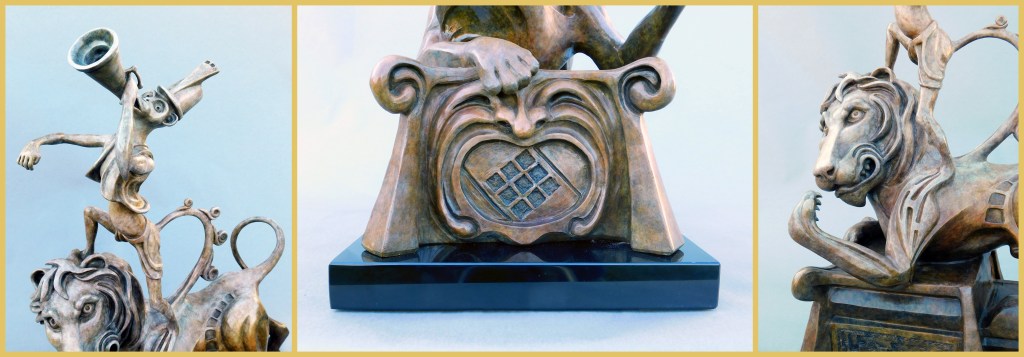
Monkey Runs Amok – Unique bronze casting mounted on a black marble base. With this sculpture, I deliberately infused as much dynamism into the design as possible. The challenge with static sculptural art is its inherent lack of movement, unless you incorporate dynamic qualities in the design or mechanical elements to facilitate motion. This piece presented complexities during the bronze casting process—featuring numerous parts of varying thicknesses, both hollow and solid, which made welding and chasing an extensive endeavor. Nevertheless, the results undeniably showcase the effort invested!
Dimensions: 28″ H x 17″ W x 9″ D ~ Weight: 99 lbs.
Approximate time involved: 280 hours from concept to completion.
Price: $15,500.00
~ “Fortuna” Belongs in Your Home ~

The story of Fortuna is as colorful and animated as the living koi fish she was patinaed to resemble. When I sculpted the original in clay, I had an entirely different vision and concept for the finished piece than what it has turned out to be. I’m so pleased to have let this one evolve into what she has become. Fortuna has metamorphosized from a sculpture that was intended as cynical commentary on the superficial pursuits of man into a beacon of good fortune and a recognition of the astonishing beauty of nature on our planet. Originally, this surrealistic representation of the fish as a metaphor for greed and selfish motivations was titled “Suckerfish Ball”. I’d had a vision of a fish standing on its head and writhing like a flickering candle flame. That was the vision out of which the ball and fish form evolved. The addition of dollar signs and stars and the stripe around the ball were intended to represent money, fame and play respectively, but these additions were all envisioned through the distorted lens of my cynical outlook at the time. I’m so grateful that my outlook has changed dramatically since then!

“Suckerfish Ball” is the only other sculpture on the planet that is nearly identical to “Fortuna”. They’re pulled from the same mold, so that’s to be expected. “Suckerfish Ball” was purchased years ago and now resides in the collection of Phillip and Lynn Rogers. In my opinion “Fortuna” is the stronger piece of artwork. Not only is it warmer in color and concept, but it is also invested with positive energy and designed to bring good fortune to any home where it is being displayed. Now, those may sound like the words of a snake-oil salesman, and I could see why some folks might scoff at the notion of a good luck charm, but I can’t see where the issue is with a little bit of harmless superstition being peddled between friends!
Physical Properties of Fortuna
Fortuna – Bronze casting mounted on cream colored marble base (pentagonal). The patina on this bronze is one of its most striking features. The opaque and creamy tones of the koi fish contrast nicely with the details of bronze dollar signs and the band around the ball. This was a sophisticated patina to perform given the fact that a patina finish can’t be built up like a paint job. The color that adheres to the metal is still only a few microns thick. It’s similar to a smoked glass process where what you get to stick is what you get to keep.
Dimensions: 27.5″ H x 10″ W x 8″ D ~ Weight: 32 lbs.
Approximate time involved: 180 hours from concept to completion.
Price: $7,750.00

So… Here’s What’s Next!
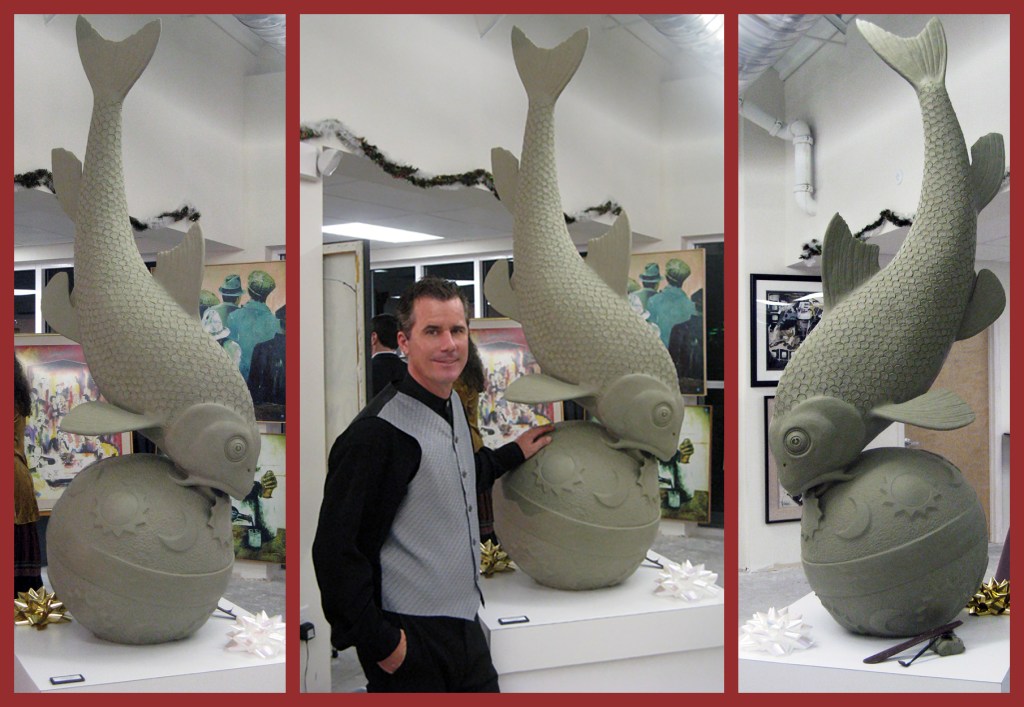
I’m still searching for new ways to seize the day! As I remember it, the first time that I heard and understood the phrase “seize the day” was while I was watching the movie Dead Poets Society and listening to Robin Williams’ character give an inspiring speech to his students on their first day of class. I’ve kept this age-old sentiment in the forefront of my conscious pursuit of creativity as a way of life. Carpe diem has guided my spirit through difficult times and times of prosperity, but not until 2009 did I create a work of art that was expressively centered on the idea of seizing the day. The original sculpture pictured below is titled “Carp A Diem”. In the early days of S.M.art Castings, I made this sculpture with the intention of casting it in bronze as a central piece for a public fountain. I was never able to raise the funding needed to complete the project and I eventually needed to let it go and move on. On this creative journey I’m taking, I practice the conscious choice of seizing every new moment as it comes. This makes it easier to adapt to the constantly changing circumstances of a progressive lifestyle. It is highly likely that I will revisit this project and see it through to fruition, but I’m also okay with allowing it to remain in memory as a past moment of creative inspiration.

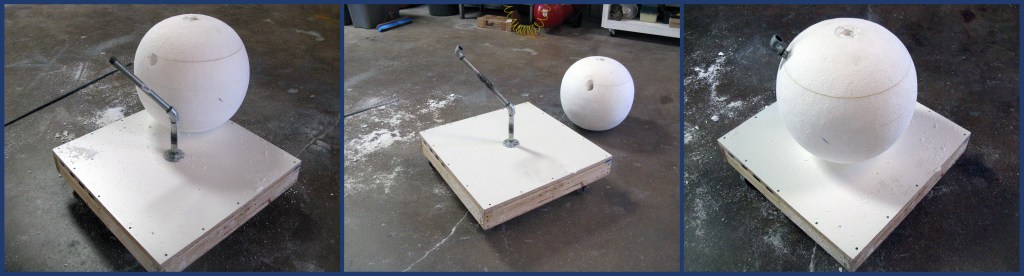
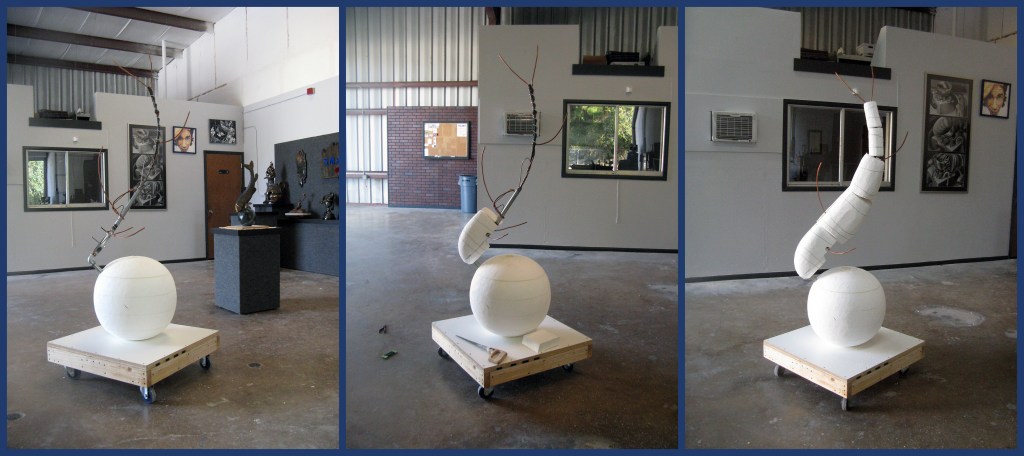
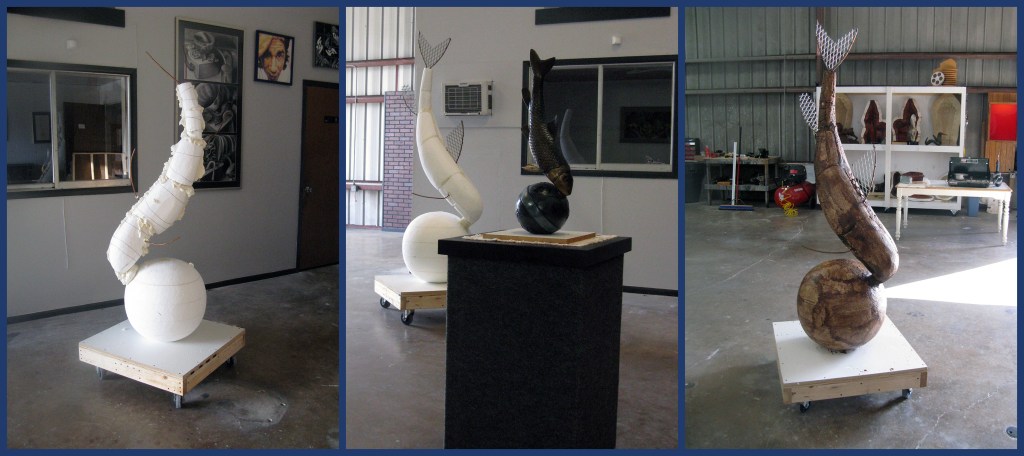
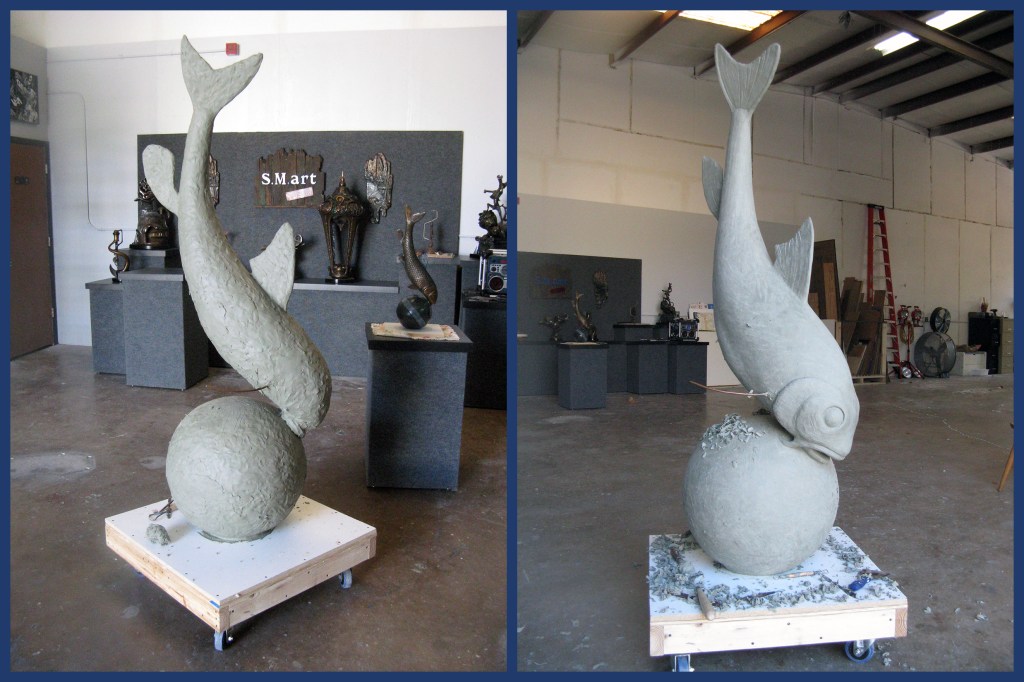
Another quality of character that I’ve long aspired to is flexibility. To keep the art that I’m making both relevant and authentic, I’ve learned that flexibility must remain high on the list of objectives when it comes to shaping the future that I envision. There is an adage that I’ve heard many times during my visual art studies. It offers practical instruction on the art of letting go of an art project when holding on seems to be impeding your overall creative progress. Most often it is expressed as “Be ready to kill your babies!”. Even though the verbiage may be a little too aggressive for my preferences, the basic idea rings as true as a church bell in my experience. The following two projects fell into the category of babies that needed to be laid to rest.
Creativity in the Age of Digital Technology
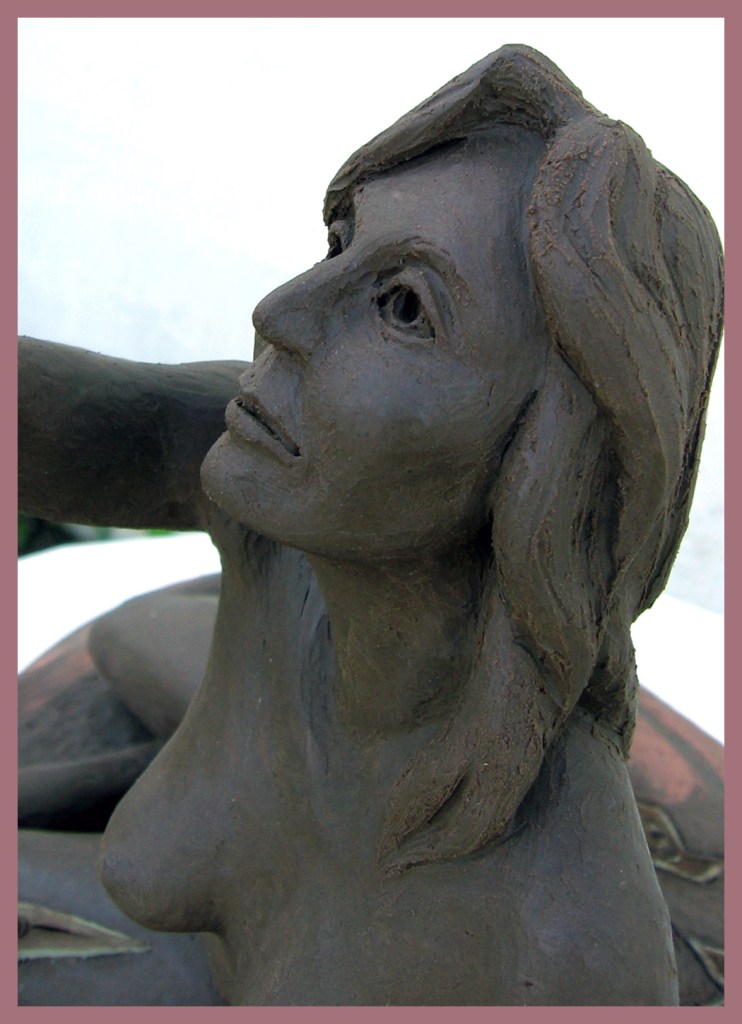

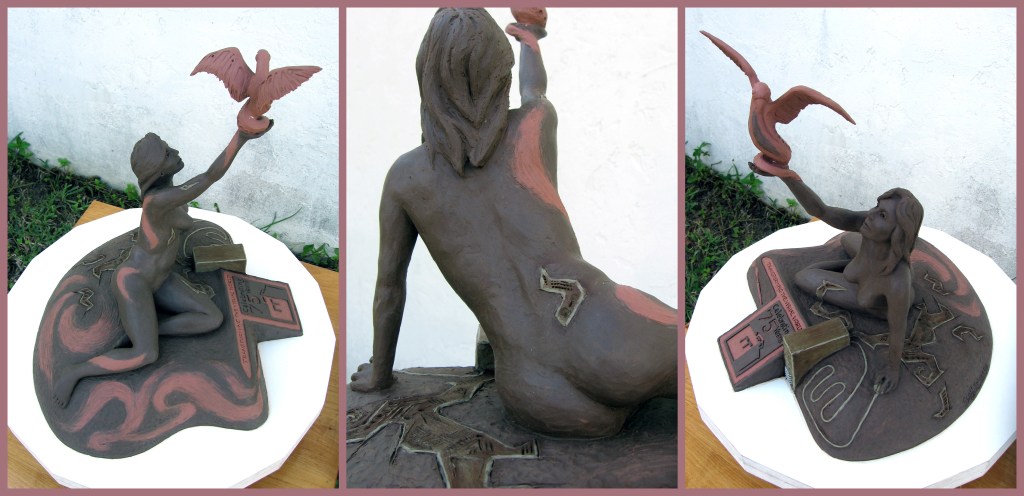
Angel of Creation


Envisioning Our Creative Future ~ Together
On November 27, 2024, during my second year of studies at Savannah College of Art and Design, I met the woman I intend to partner with for the rest of this lifetime. The fact that she lives in Croatia, almost 5,000 miles from my home in Savannah, GA, hasn’t deterred us from creating a bond that we are confident can only grow stronger as time passes. For me, Daniela Tomljanović is a source of inspiration, unconditional love and acceptance, and we regularly encourage and reaffirm each other as we plan our future together. For any readers who are familiar with the artist Christo and his beloved Jeanne-Claude, I often make comparisons between their partnership and ours. Of course, our shared authenticity and commitment to living lives uniquely buffered from the stresses of contemporary society preclude me from commenting on our personal relationship, so I will only share our ideas about the future of my creative career and how Dani will be a loyal and active supporter in all my artistic endeavors from here on out.

Detailing the Here and Now
Throughout this lifetime, I have often been viewed as a hopeless dreamer; some perceive me as someone with unrealistic expectations of the future. Yet, time and again, I defy their limiting beliefs regarding my creative potential, proving the skeptics wrong. While my art may seem otherworldly and surrealistic, I stand firmly grounded, fully aware of my strengths and weaknesses, and comfortable with both. If I were to encapsulate my life in the arts in three words, they would be curiosity, industriousness, and dynamism. These words may evolve over time, but my passion for creative expression remains steadfast. I am actively pursuing opportunities in the themed entertainment and film production industries, feeling fully prepared—physically, intellectually, and spiritually—to move in this creative direction for the next 10 to 20 years. I have applied to several positions with Universal Studios, and I am confident that the universe will align with my intentions in due time. Both Dani and I are realists though, so we’ve been developing Plans B and C and taking action on those backup plans as well.

I’m currently seeking freelance work in the Savannah area (preferably creative), this would enable Daniela and me to embark on our exciting journey together here in the beautiful city that has captured my heart over the past 3 years. We are eager to launch a vibrant commercial art business, drawing inspiration from the assortment of services that were offered at Moore Art Expressions, while also introducing an independent film studio dedicated to producing impactful documentaries and captivating arthouse films. We’ve decided to name the business “Soulfire Creative”.

Our aspirations are boundless; we also envision establishing facilities for custom film set and prop design fabrication. We are confident that Savannah is the perfect place to cultivate this dream, yet we remain open and enthusiastic about wherever the winds of opportunity may guide us.
Expecting the Extraordinary
~A True Story, as Yet Unfolding…~
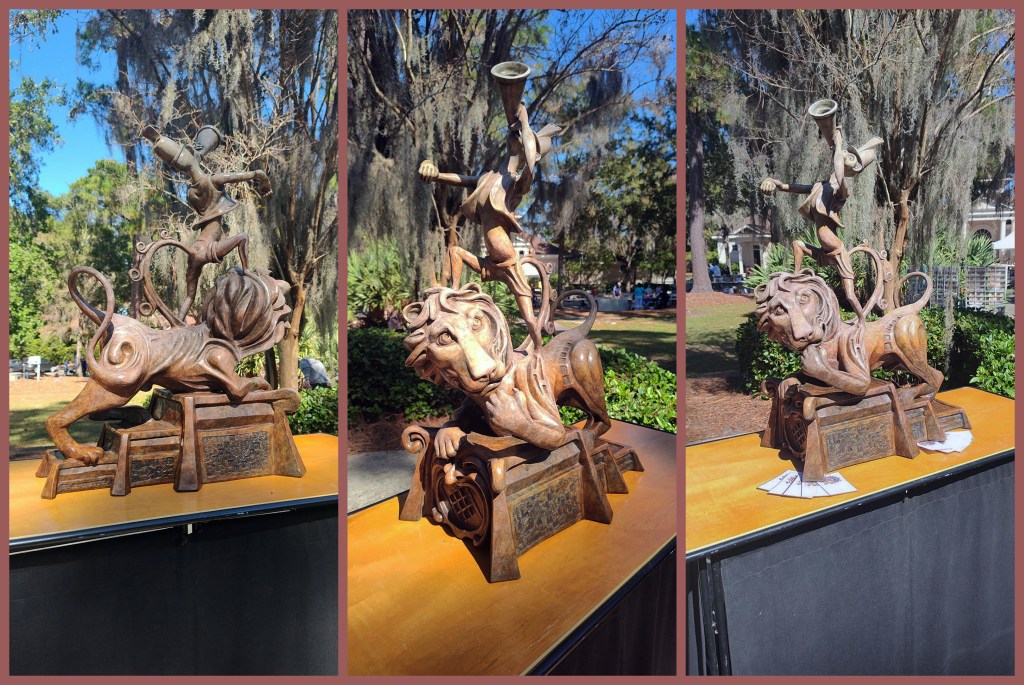
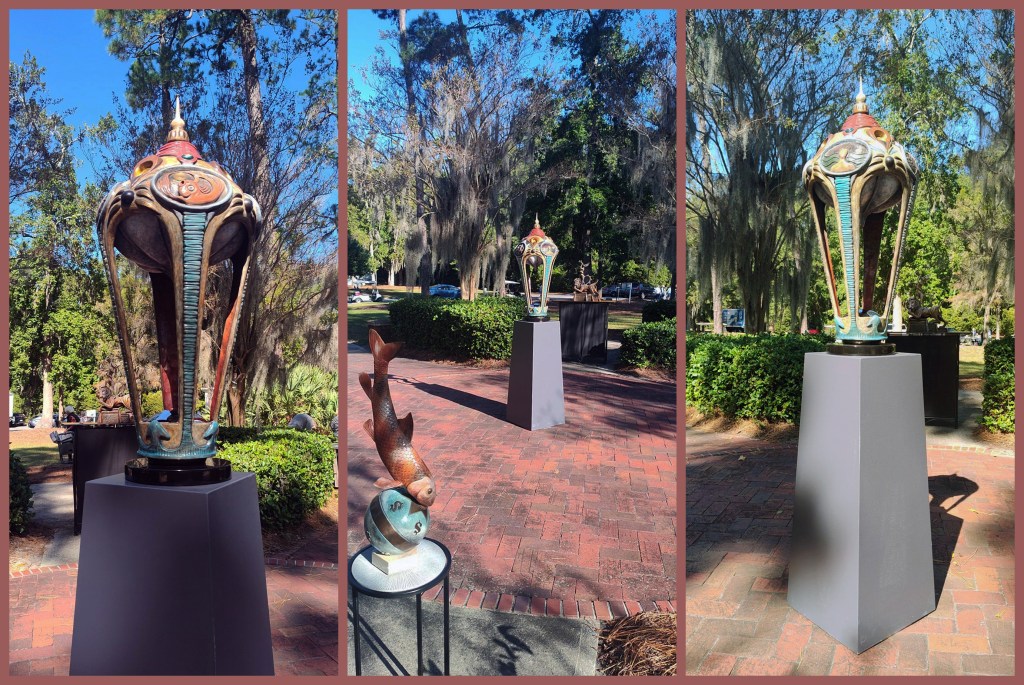
My life as a visual artist has always unfolded naturally, as if my finite creative energy is surrounded by an infinite quantity of synchronistic energy from the Source of Creation. Last month, on Saturday 10/25/2025, I displayed four of my bronze sculptures at an art show on Skidaway Island. It was an intimate event sponsored by The Landings Art Association and the Village Library. The Skidaway Village Green turned out to be the perfect location to showcase “Providentia” and the other bronze sculptures I put on display. My beautiful Dani kept me company while I wasn’t busy conversing with my island neighbors about the art. I’m currently waiting for positive news from potential employers, and I feel that something amazing is about to happen. My wife to be and I are counting on abundance so abundance we shall have!

Thanks for visiting the Grand Providentia United – Visual Art Portfolio!
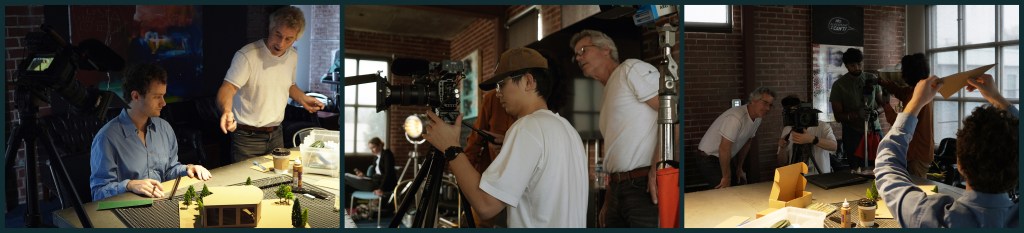


Here’s a link to my unlisted Thesis Film – “Third Eye from the Sun” – https://vimeo.com/1097614638/d48cb9a6d3?share=copy&fl=sv&fe=ci
Thanks for stopping by to check out the Grand Providentia United blog site!

 A True Story, as Yet Unfolding...